Mangwon and Hapjeong travel guide: Explore two lively neighborhoods in western Seoul through traditional market food, independent cafés, local shops, and relaxed walks near the Han River. Mangwon offers a neighborhood market atmosphere, while Hapjeong is a convenient base for cafés, dining, and exploring nearby streets and riverside parks.
What Is Mangwon & Hapjeong Like?
Mangwon feels more local and residential, while Hapjeong has a wider mix of cafés, restaurants, shops, and creative spaces.
The two areas are connected by subway and walking routes, so you can explore both in one visit rather than treating them as separate destinations.
A simple way to understand the area is:
Mangwon Market → Mangnidan-gil → Hapjeong → Han River
1. Explore Mangwon Market
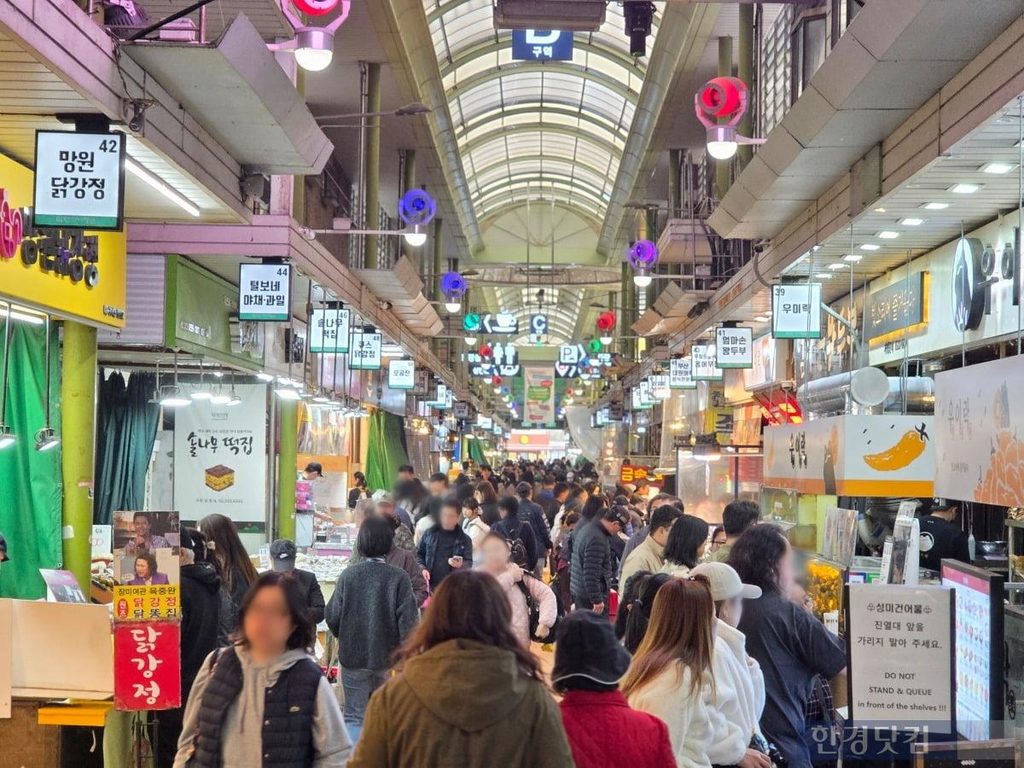
Mangwon Market is one of the best places in the area to experience everyday Korean market food.
The market has food stalls, fresh produce, snacks, prepared foods, and small restaurants. It is especially useful for travelers who want to try several Korean foods without visiting a formal restaurant.
The market is close to Mangwon Station on Subway Line 6, and the official travel information lists typical opening hours as around 10:00–21:00, although individual stores vary.
You can also buy food here before continuing toward Mangnidan-gil or the Han River.
2. Walk Along Mangnidan-gil
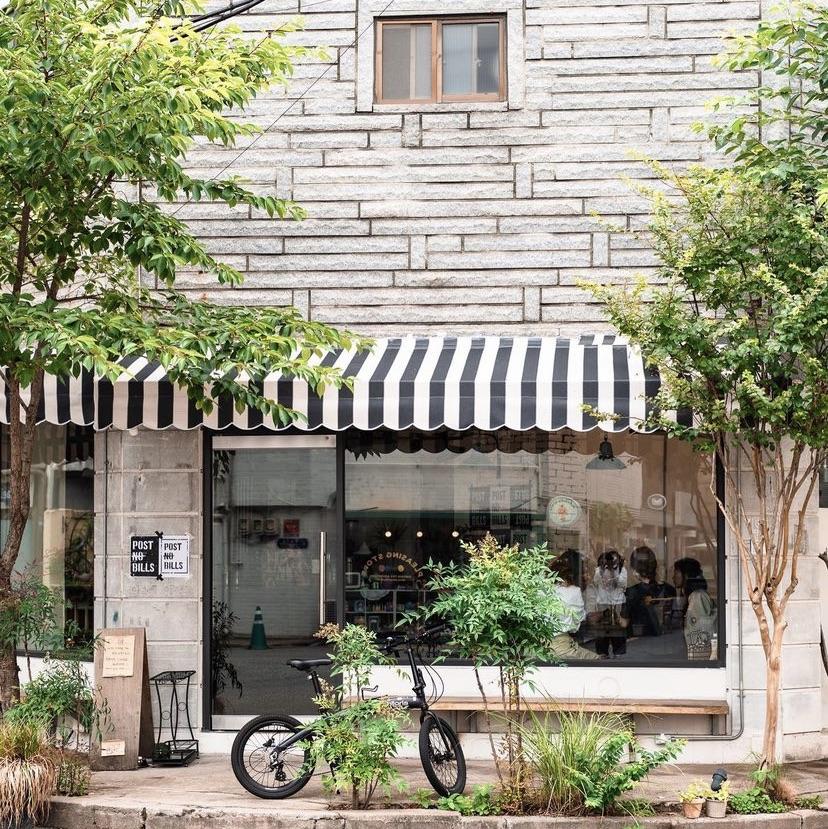
Mangnidan-gil is a neighborhood street near Mangwon Market with cafés, restaurants, small shops, and independent businesses.
It is less about major attractions and more about exploring the streets at your own pace.
This makes it a useful stop after the market, especially if you want coffee, dessert, shopping, or a slower walk.
3. Discover Hapjeong’s Cafés and Shops
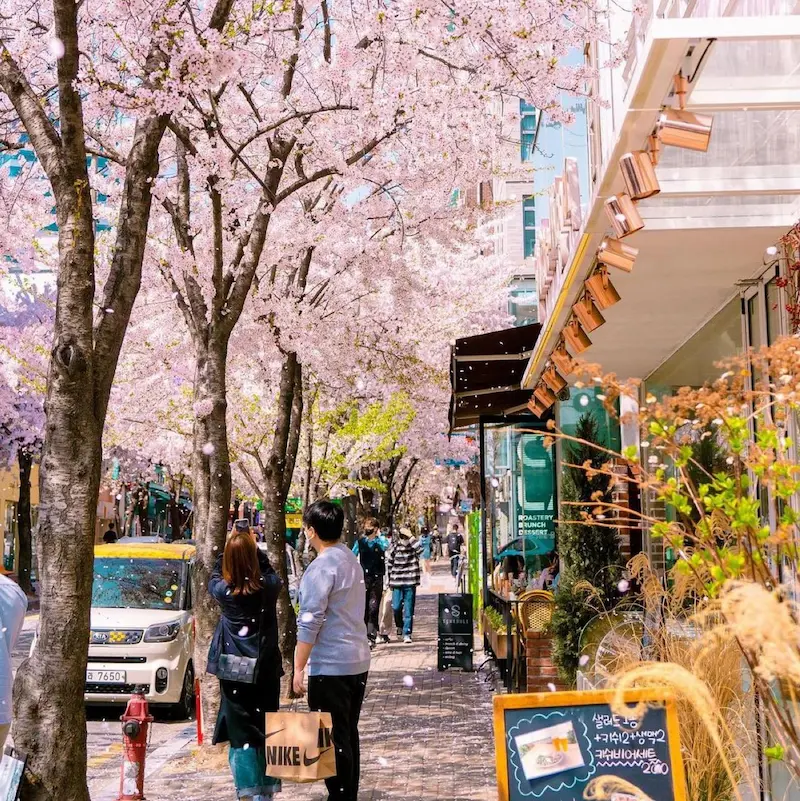
Hapjeong has a different atmosphere from Mangwon.
Around Hapjeong Station and the surrounding streets, you will find cafés, restaurants, small shops, vintage stores, and creative businesses.
The area also connects naturally with Sangsu and Hongdae, making it useful for travelers who want to extend their walk into nearby neighborhoods.
Hapjeong Station is served by Subway Lines 2 and 6, making it one of the easiest starting points for exploring western Seoul.
4. Continue to the Han River
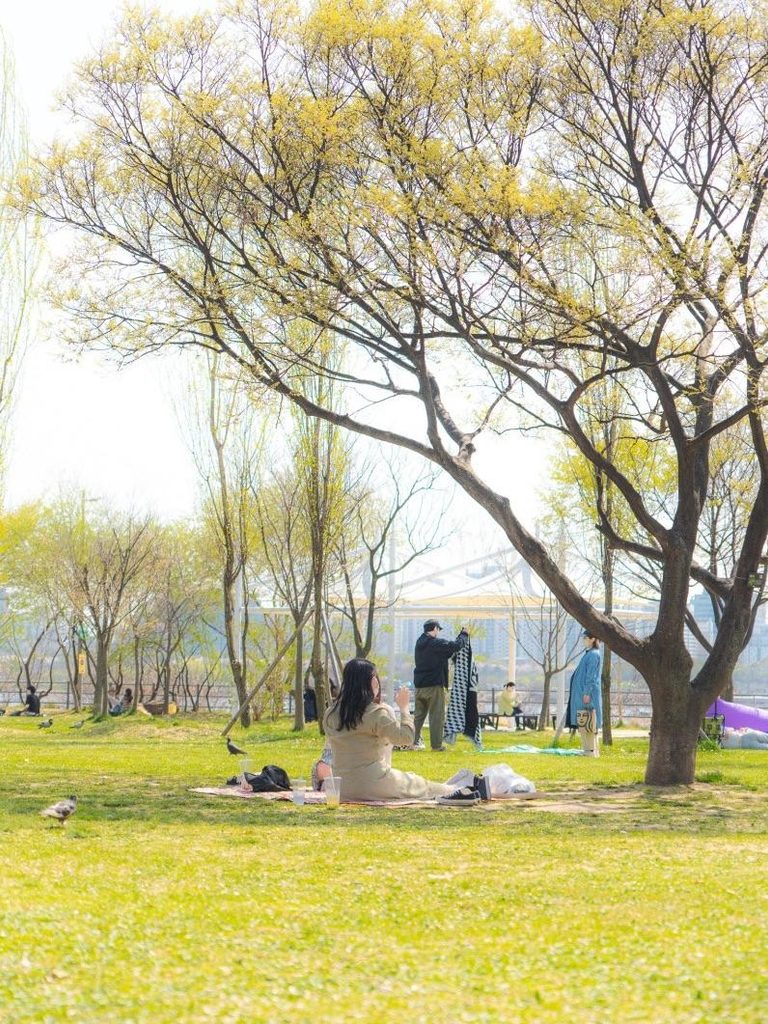
One of the best features of this area is how easily you can move from neighborhood streets to the Han River.
Mangwon Hangang Park lies between Seongsandaegyo Bridge and Yanghwadaegyo Bridge and has walking paths, recreational facilities, and a riverside bike path.
This gives you a simple way to change the atmosphere during the same visit:
Market → cafés and shops → riverside walk
You do not need to plan a separate day just for the Han River.
5. Combine Mangwon and Hapjeong With Nearby Areas
Mangwon and Hapjeong sit within a larger network of western Seoul neighborhoods.
From here, you can continue toward:
- Hongdae for shopping, nightlife, and youth culture
- Sangsu for cafés and quieter streets
- Yeonnam-dong for cafés and walking
- Mangwon Hangang Park for the river and outdoor space
This makes the area useful for travelers who prefer building their own route instead of following one fixed itinerary.
How Much Time Do You Need?
For a simple visit to Mangwon Market and Mangnidan-gil, 2–3 hours is enough.
Allow around 3–5 hours if you want to include Hapjeong and the Han River.
If you enjoy food, cafés, shopping, or walking, you can easily spend longer.
Getting Around
Mangwon Station: Subway Line 6
Hapjeong Station: Subway Lines 2 and 6
Mangwon Market is about a few minutes’ walk from Mangwon Station, while the Han River can be reached by continuing south from the neighborhood.
For a simple route, start at Mangwon Station, explore the market and Mangnidan-gil, then continue toward the river before moving north toward Hapjeong.
Quick Guide
Best for:
Local food · Markets · Cafés · Small shops · Walking · Han River
Main areas:
Mangwon · Mangnidan-gil · Hapjeong · Mangwon Hangang Park
Recommended time:
2–5 hours
Main subway stations:
Mangwon Station · Hapjeong Station
Good combination:
Mangwon Market → Mangnidan-gil → Hapjeong → Han River
Final Thoughts
Mangwon and Hapjeong are useful parts of the Seoul travel map because they connect several different experiences in a relatively small area.
You can start with traditional market food, walk through local streets, stop at a café, browse small shops, and finish beside the Han River.
Rather than looking for one major attraction, use the area as a flexible neighborhood map and choose the parts that fit your interests.