Mapo-gu is a district in western Seoul known for its creative neighborhoods, local food markets, cultural spaces, and riverside parks. It offers a mix of lively shopping streets, quieter residential areas, and open green spaces.
For first-time visitors, Mapo-gu is a useful area to explore beyond Seoul’s major palaces and traditional tourist districts.
1. Hongdae: Shopping, Music & Street Culture
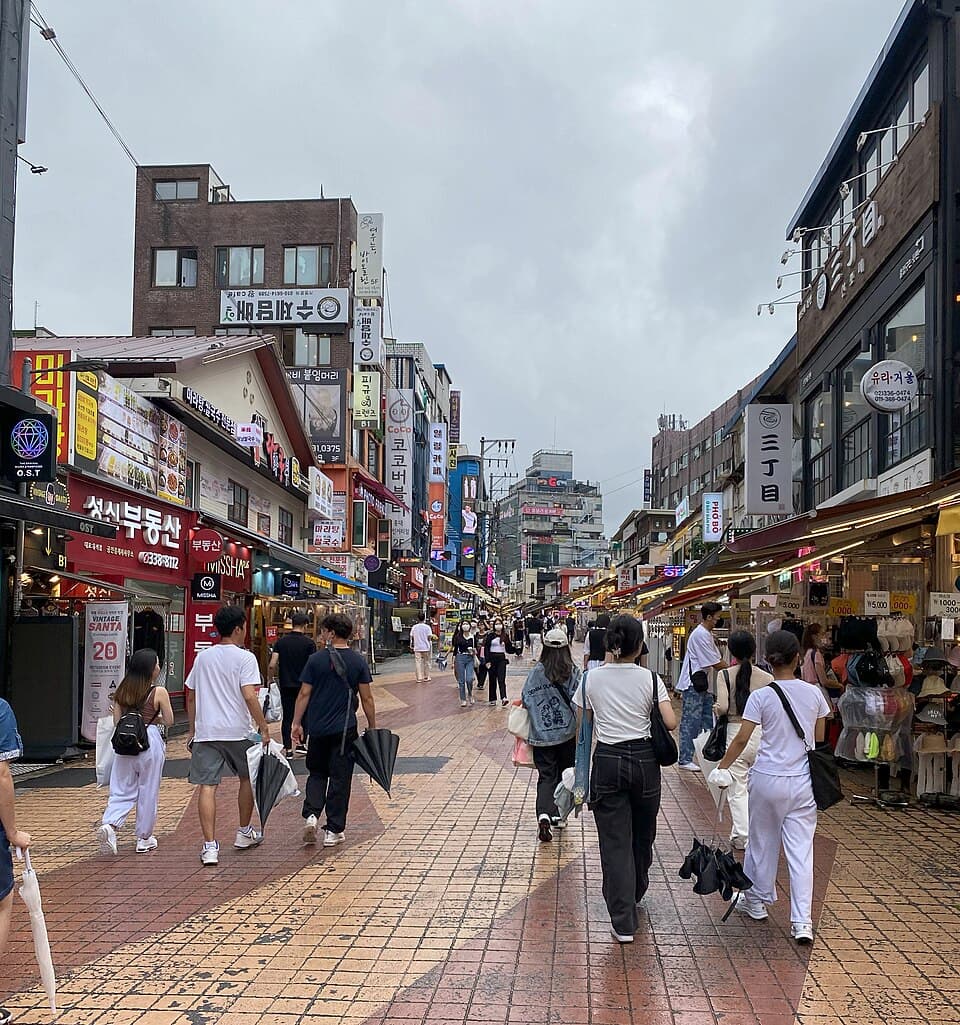

Hongdae is one of Mapo-gu’s best-known areas, with fashion stores, cafés, independent shops, live music venues, and street performances.
Visitors can browse local shops, explore small streets, and experience Seoul’s contemporary youth culture. The area is especially lively in the evening, although individual venues have different operating hours.
Getting there: Hongik University Station is served by Subway Line 2, the Airport Railroad, and the Gyeongui–Jungang Line.
2. Mangwon Market: Local Food & Everyday Seoul
Mangwon Market is a traditional market where visitors can explore Korean snacks, prepared foods, fresh produce, and everyday household goods.
It is a good place to sample casual local food and experience a neighborhood market away from some of Seoul’s busiest shopping districts.
Nearby Mangnidan-gil has cafés, restaurants, and small shops. Visitors can combine the two areas on a relaxed walking trip.
Getting there: Mangwon Station on Subway Line 6 is a convenient starting point. Market opening hours and closing days can vary by store.
3. Mangwon Hangang Park: Riverside Walks & Cycling
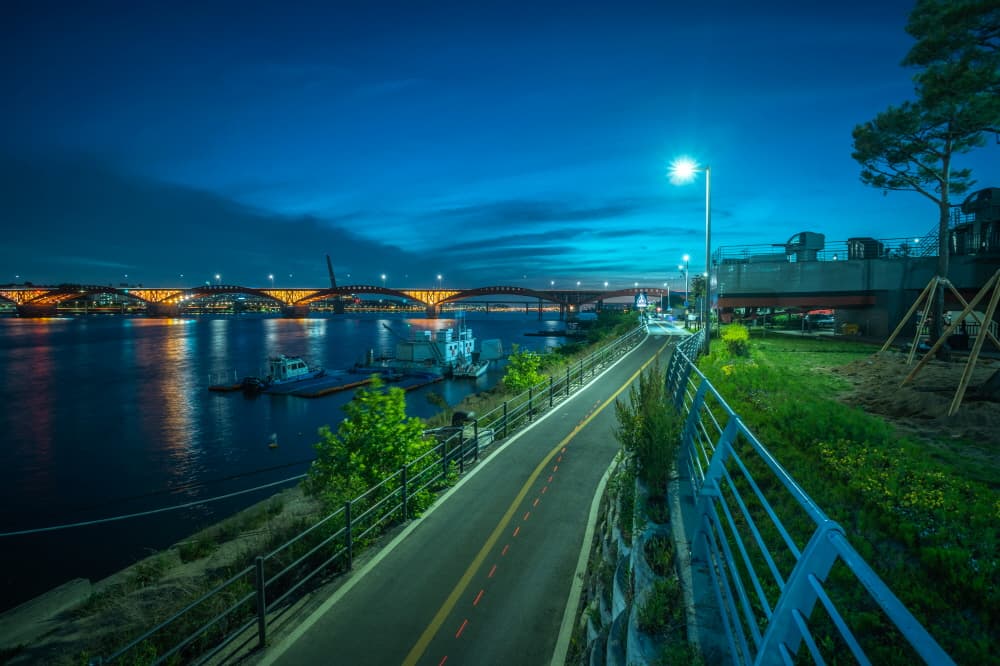
Mangwon Hangang Park offers open river views, walking paths, and cycling routes along the Han River. It is suitable for travelers looking for a quieter outdoor break between sightseeing stops.
Visitors can take a walk, enjoy a picnic, or rent a bicycle where rental services are available. Bring food from a nearby market if you want to make the visit into a simple riverside picnic.
Getting there: The park is accessible from Mangwon Station, but the walk can take some time. Check your exact destination and route before leaving the station.
4. World Cup Park: Green Spaces & City Views
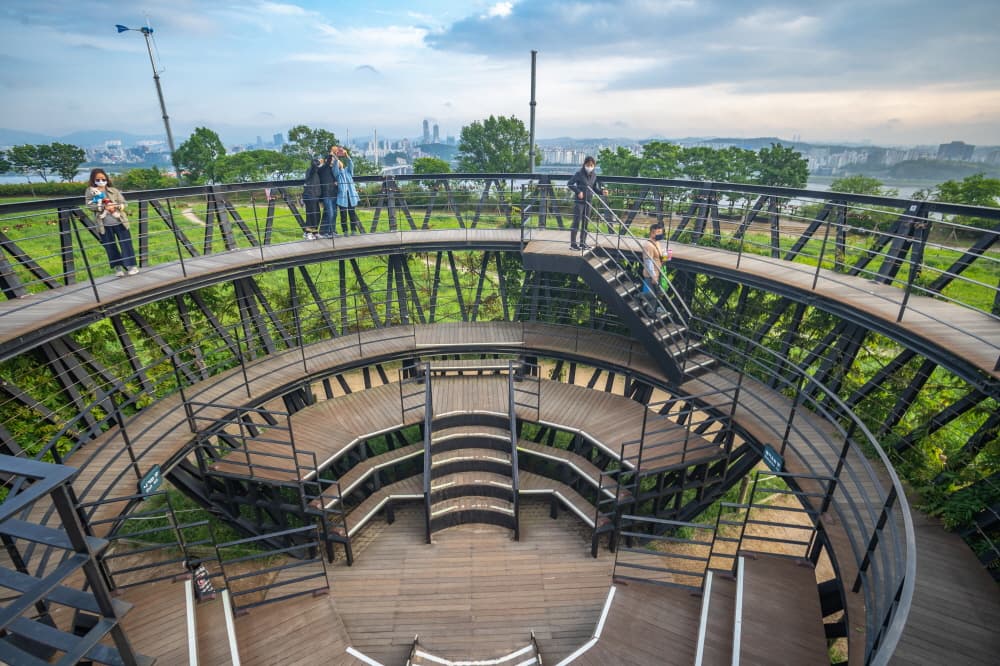
World Cup Park is a large group of parks developed on a former landfill site. Its different areas offer nature trails, open lawns, and elevated viewpoints.
Haneul Park is especially known for its broad views and seasonal grasses. The landscape changes throughout the year, making the park attractive for walking and photography.
Some park areas have different access arrangements or closing times. Check current restrictions before visiting, especially if you plan to arrive near sunset.
Getting there: World Cup Stadium Station on Subway Line 6 provides access to parts of the park complex.
5. Oil Tank Culture Park: Industrial History & Culture
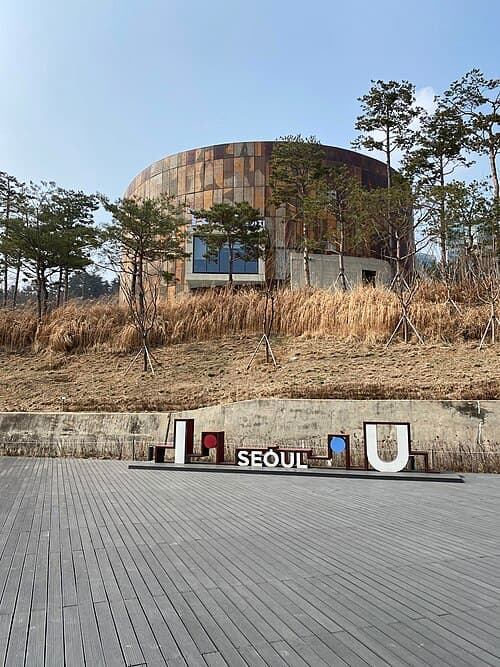

Oil Tank Culture Park is a cultural space created from a former oil reserve facility. Its repurposed industrial structures and outdoor areas make it different from Seoul’s conventional museums and historic attractions.
It is a useful stop for visitors interested in architecture, urban regeneration, exhibitions, and cultural events. Check the current program before visiting because individual facilities and exhibitions may have separate schedules.
Getting there: World Cup Stadium Station on Subway Line 6 is a useful access point.
6. How to Plan a Visit to Mapo-gu
Mapo-gu is spread across several neighborhoods, so it is better to group nearby attractions rather than try to cover the entire district in one short visit.
- For shopping and nightlife: Start in Hongdae.
- For local food and small shops: Explore Mangwon Market and Mangnidan-gil.
- For a riverside break: Visit Mangwon Hangang Park.
- For nature and seasonal scenery: Explore World Cup Park and Haneul Park.
- For industrial heritage and cultural spaces: Add Oil Tank Culture Park to your itinerary.
Subway Line 2 and Line 6 connect several of the district’s main areas, while Hongik University Station also connects with the Airport Railroad. Check the route to each destination before traveling, as some parks and attractions require additional walking from the nearest station.
Before visiting, confirm current opening hours, exhibition schedules, and park access restrictions where relevant.