Seongbuk-gu travel guide: Discover a historic side of Seoul through traditional homes, Buddhist temples, and scenic sections of the Seoul City Wall. Seongbuk-gu is a rewarding area for travelers interested in Korean architecture, cultural heritage, and quiet neighborhood walks beyond the city’s busiest tourist districts.
Best Places to Visit in Seongbuk-gu
1. Seongbuk-dong: Historic Streets and Traditional Houses
Seongbuk-dong is one of the district’s most distinctive neighborhoods, with hillside streets, cultural landmarks, and traditional houses. Visit the former homes of Korean writers and cultural figures to learn more about Korea’s modern history.
The neighborhood is best explored on foot, but some streets are steep. Wear comfortable shoes and allow time for uphill walks.
2. Gilsangsa Temple: A Peaceful Buddhist Temple
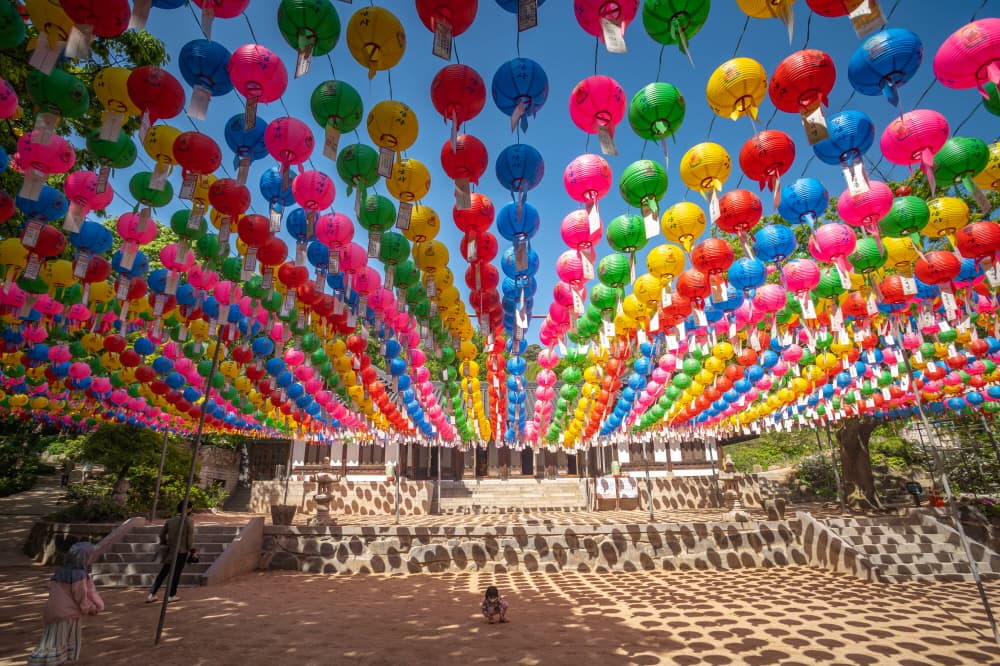
Gilsangsa is a Buddhist temple set among the hills of Seongbuk-dong. Its quiet grounds and natural surroundings offer a peaceful contrast to central Seoul’s busy streets.
Visitors should keep their voices low, respect worshippers, and follow any posted photography or access rules.
3. Seoul City Wall: Historic Views and Walking Trails
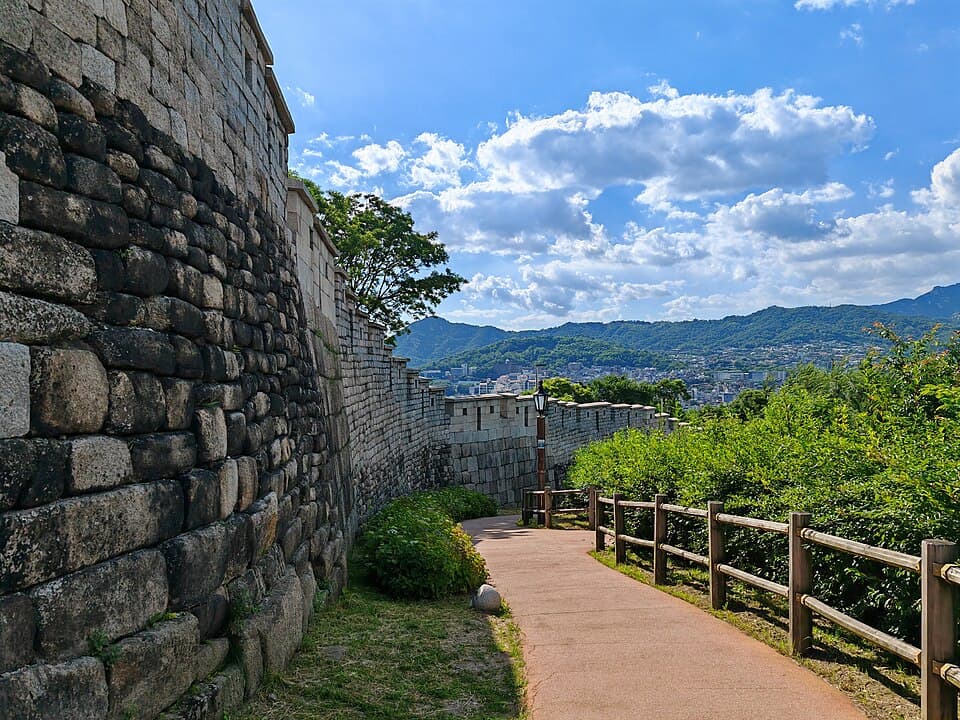

Sections of Hanyangdoseong, Seoul’s historic city wall, pass through the hills around Seongbuk-gu. Walking these routes offers views of the city and a closer look at Seoul’s historic defenses.
Trail conditions vary, with stairs, slopes, and uneven paths in some sections. Check the route and weather before setting out, especially in rain or snow.
4. Jeongneung Royal Tomb: Joseon Dynasty History
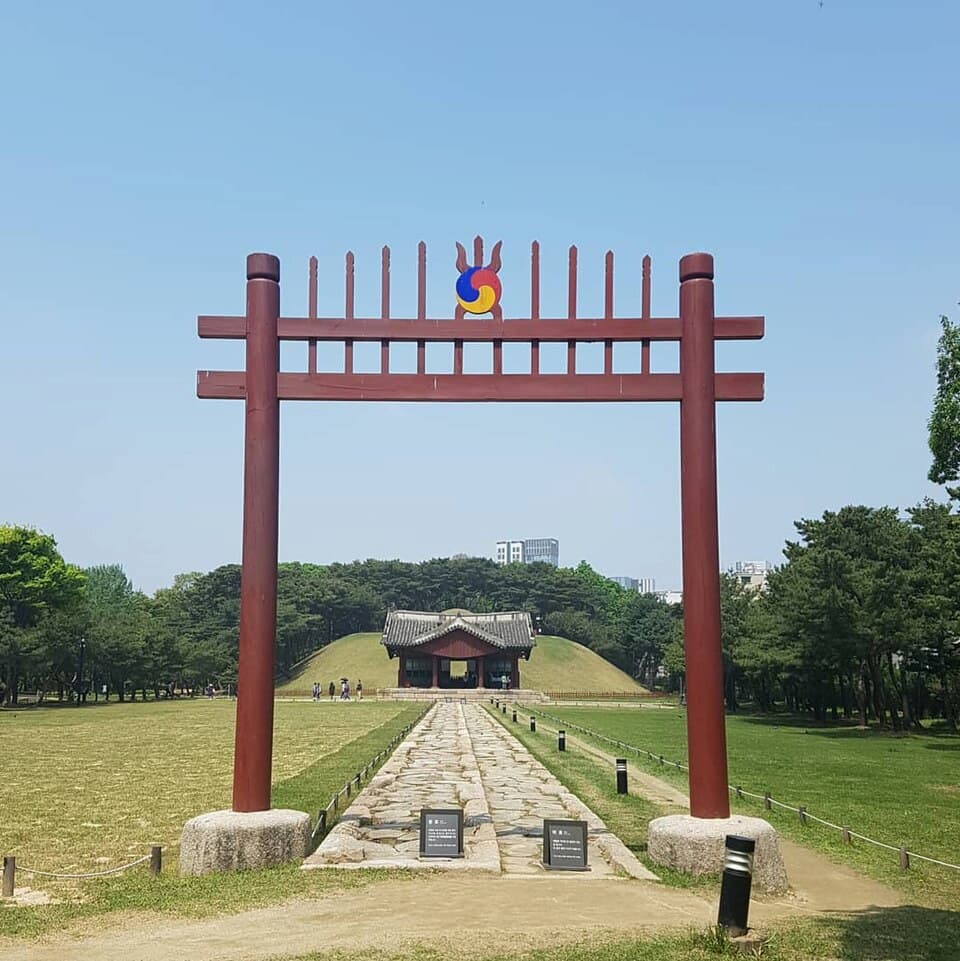

Jeongneung is the royal tomb of Queen Sindeok, the second wife of King Taejo, the founder of the Joseon Dynasty. The site offers an opportunity to learn about royal burial traditions and Korea’s dynastic history in a wooded setting.
Check current visiting information before planning your visit.
5. Bukjeong Village: A Hillside Neighborhood
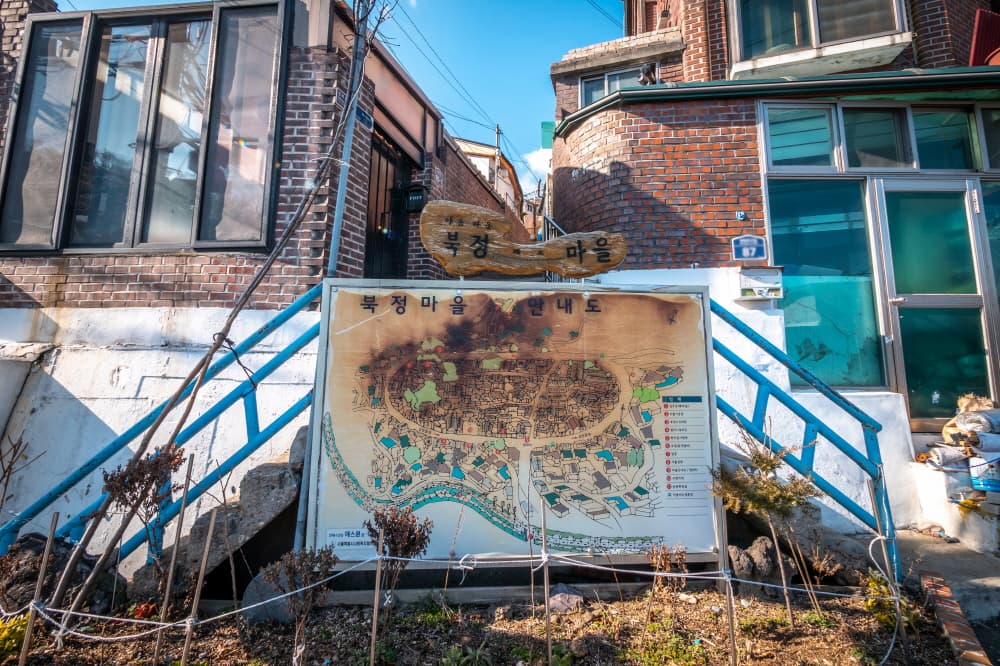
Bukjeong Village is a hillside residential area near the old city wall. Its narrow lanes and sloping streets offer a glimpse of a different side of Seoul.
Please remember that this is a residential neighborhood. Keep noise down, avoid photographing residents without permission, and do not enter private property.
6. Korea University Area: Student Life and Local Food
Around Korea University, you will find a university atmosphere, casual restaurants, cafés, and everyday neighborhood streets. It is a useful stop if you want to experience a more local side of Seoul rather than focusing only on major tourist attractions.
How to Get Around Seongbuk-gu
Seongbuk-gu is served by several subway stations, including:
- Hansung University Station (Line 4): Convenient for exploring Seongbuk-dong.
- Sungshin Women’s University Station (Line 4): Useful for local shopping, cafés, and restaurants.
- Korea University Station (Line 6): Convenient for the university area.
- Bomun Station (Line 6): Useful for parts of the district and nearby neighborhoods.
Some temples, historic homes, and walking trails are uphill or away from subway stations. Local buses can reduce walking distances, so check the best route to each destination before leaving the station.
Quick Guide to Seongbuk-gu
- Best for: Korean history, traditional houses, temples, and walking
- Recommended areas: Seongbuk-dong, the Seoul City Wall, Jeongneung, and the Korea University area
- Suggested visit: Half a day for one main area; longer if combining several hillside sites
- What to wear: Comfortable walking shoes, especially for slopes and stone steps
- Getting around: Subway, local buses, and walking
Is Seongbuk-gu Worth Visiting?
Seongbuk-gu is a good choice for travelers who want to explore historic neighborhoods, quieter temples, and walking routes beyond Seoul’s best-known tourist areas. For an easier visit, choose one area at a time rather than trying to cover every attraction in a single trip.
Before visiting, check current opening hours, closure days, and access information for individual historic sites and trails.