Busan is South Korea’s second-largest city, known for its beaches, coastal temples, traditional markets, hillside neighborhoods, and spectacular ocean views. Its attractions are spread across a large area, so planning your visits by location can save significant travel time.
This guide introduces 10 places that help first-time visitors experience Busan’s coastal scenery, local culture, food, and city life.
1. Haeundae Beach
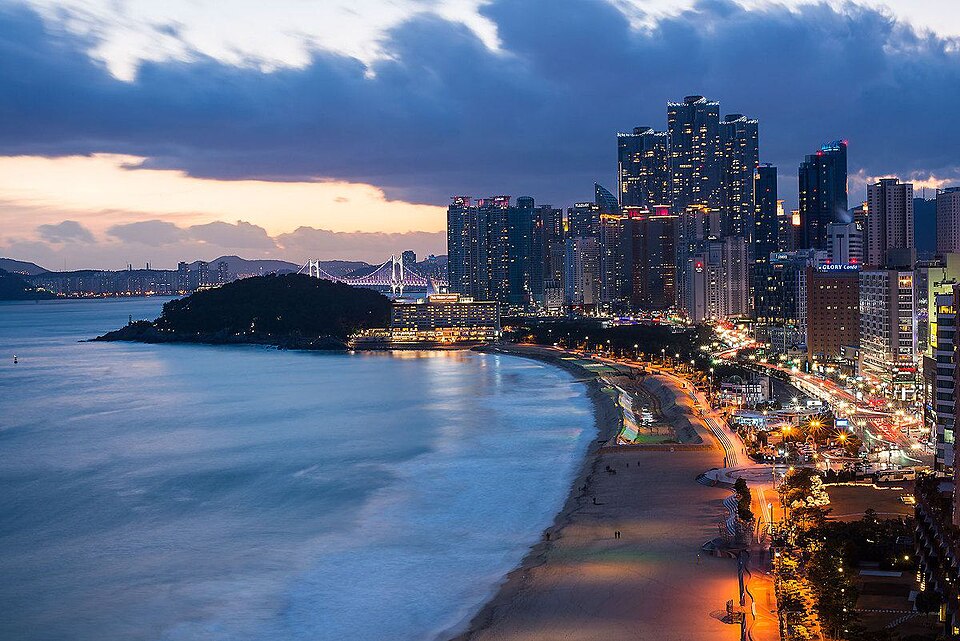
Haeundae is one of Busan’s best-known beaches, with a long sandy shoreline, oceanfront cafés, restaurants, and hotels. It is a convenient starting point for exploring the city’s eastern coast.
Best for: Beach walks, ocean views, and first-time visitors.
Travel tip: Combine the beach with Dongbaekseom Island and its coastal walking paths.
2. Gwangalli Beach
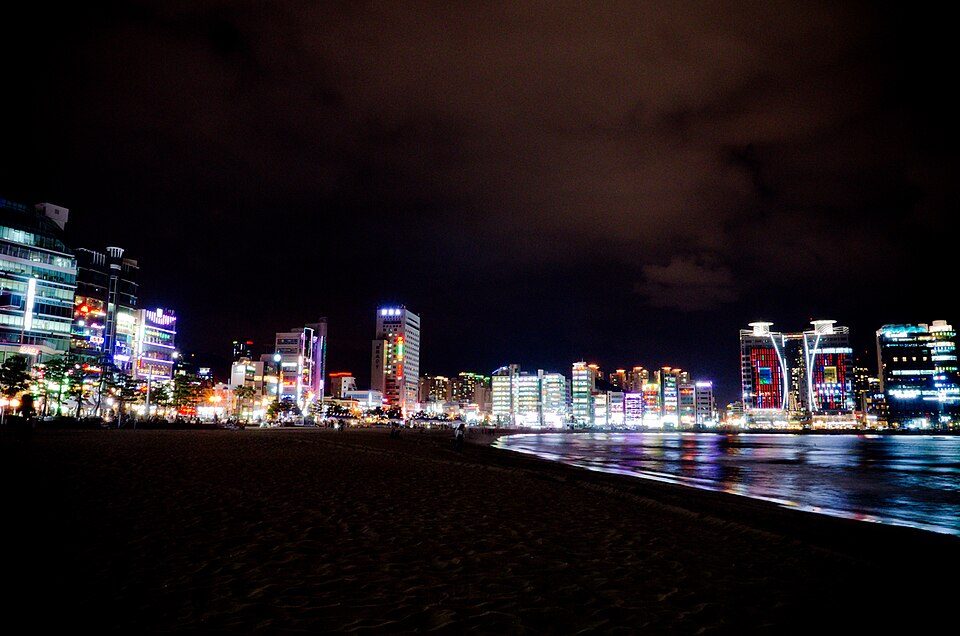
Gwangalli Beach is famous for its direct view of Gwangan Bridge. The waterfront becomes especially attractive after dark, when the bridge lights illuminate the bay.
Best for: Night views, cafés, restaurants, and evening walks.
Travel tip: Take Busan Metro Line 2 to Gwangan Station and continue on foot to the beach.
3. Gamcheon Culture Village
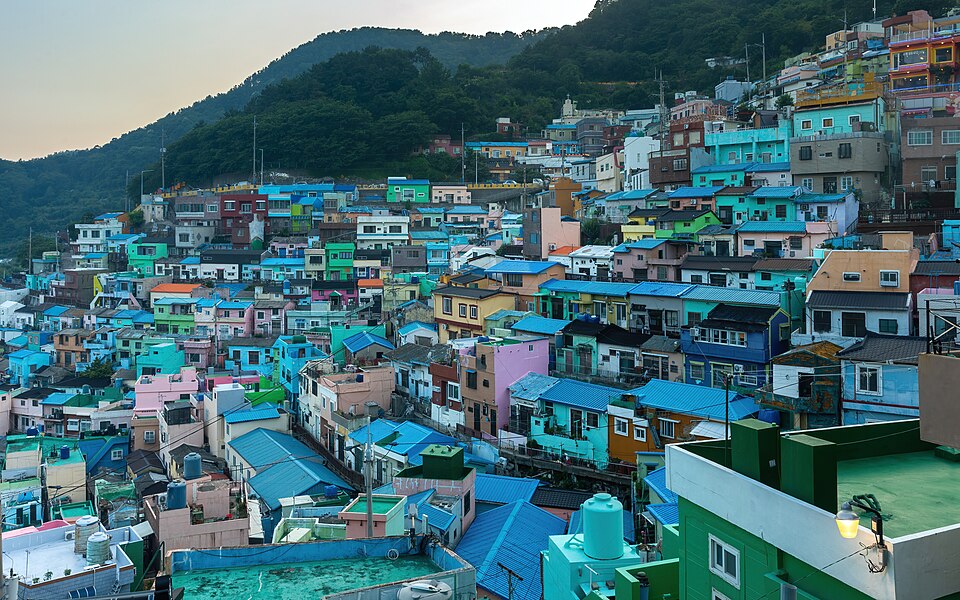
Gamcheon Culture Village is a hillside neighborhood filled with colorful houses, narrow alleys, murals, small galleries, and viewpoints overlooking the surrounding area. It developed as a residential settlement for refugees during the Korean War and later became a popular cultural destination.
Best for: Photography, local history, and hillside scenery.
Travel tip: Wear comfortable shoes because many streets and paths are steep.
4. Jagalchi Market
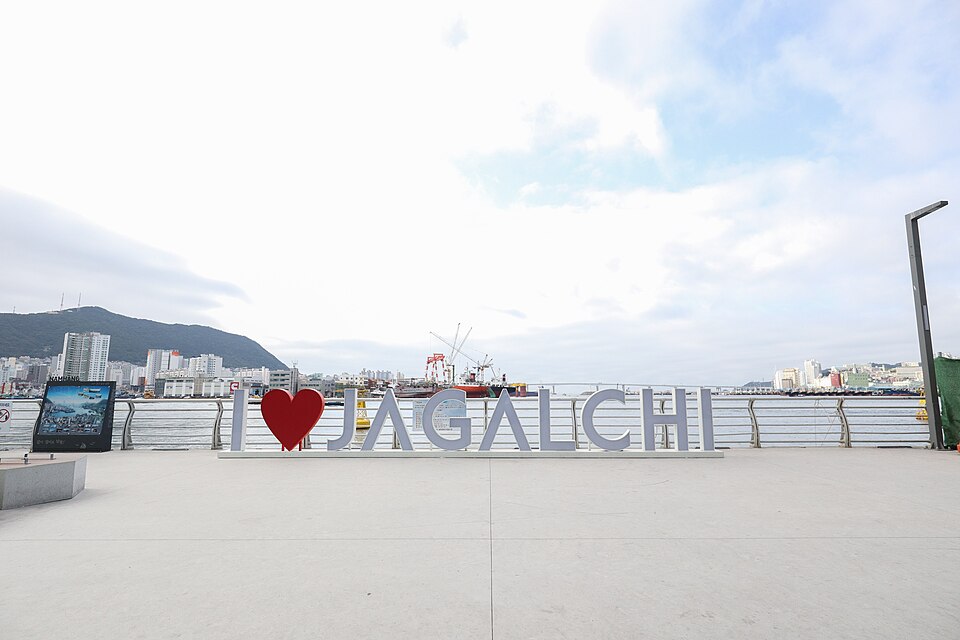
Jagalchi Market is one of Busan’s best-known seafood destinations. Visitors can explore seafood stalls, see the variety of fish and shellfish available in Korea, and find places to enjoy seafood meals.
Best for: Seafood, market culture, and local food experiences.
Travel tip: Check menu prices and serving charges before ordering, especially when buying seafood by weight.
5. Gukje Market and BIFF Square
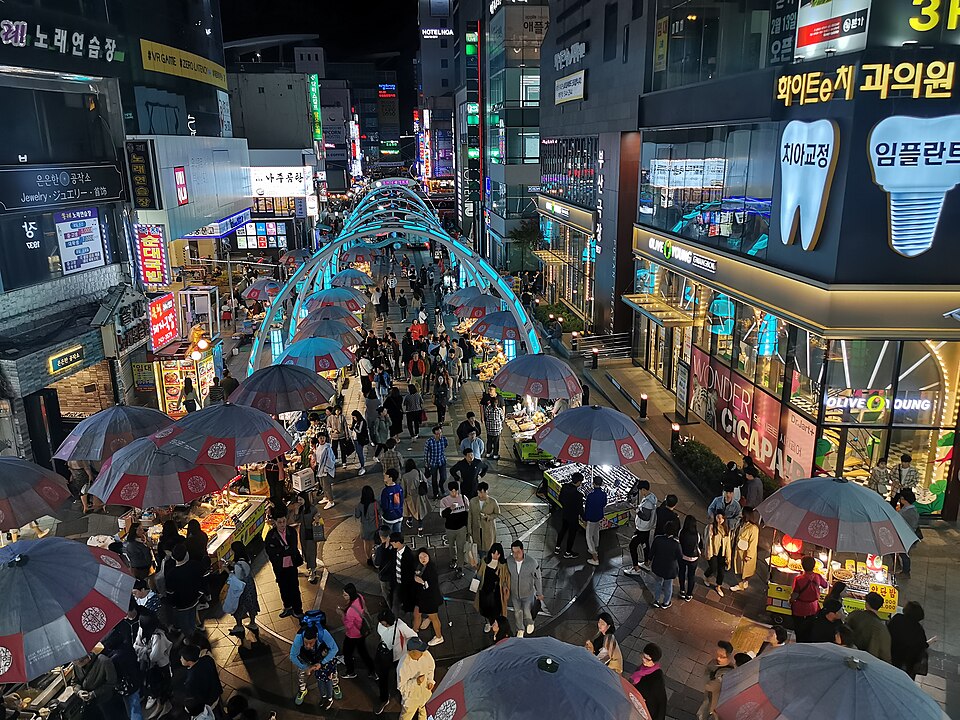
Located in the old downtown area, Gukje Market offers a mix of everyday goods, clothing, household products, and street food. Nearby BIFF Square is known for its food stalls and connection to Busan’s film culture.
Best for: Shopping, street food, and exploring old downtown Busan.
Travel tip: Visit both areas together and add nearby Nampo-dong to your walking route.
6. Haedong Yonggungsa Temple
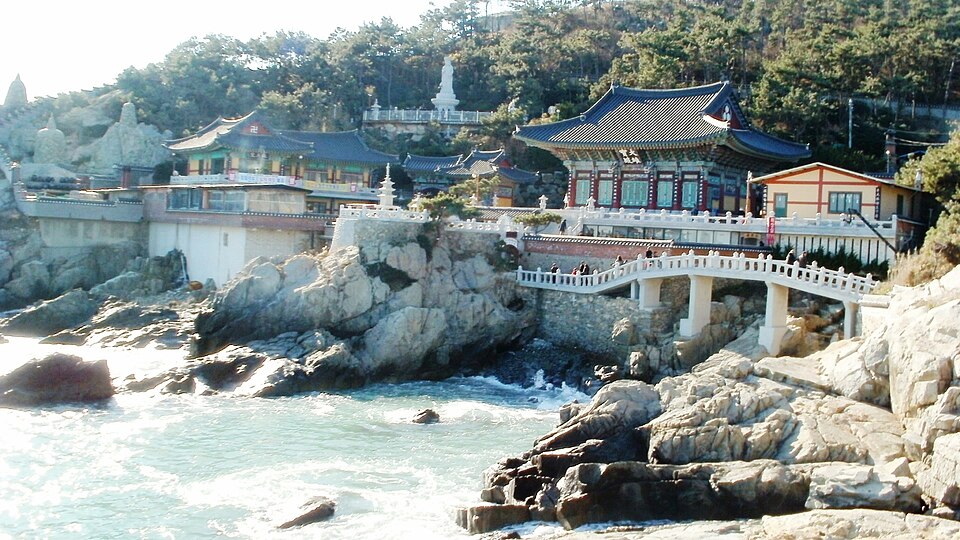
Haedong Yonggungsa is a Buddhist temple built beside the sea on Busan’s northeastern coast. Unlike temples located deep in the mountains, it offers views of ocean waves, coastal rocks, and traditional temple buildings.
Best for: Coastal scenery, cultural sightseeing, and photography.
Travel tip: Allow extra travel time because the temple is farther from central Busan than many major attractions.
7. Taejongdae
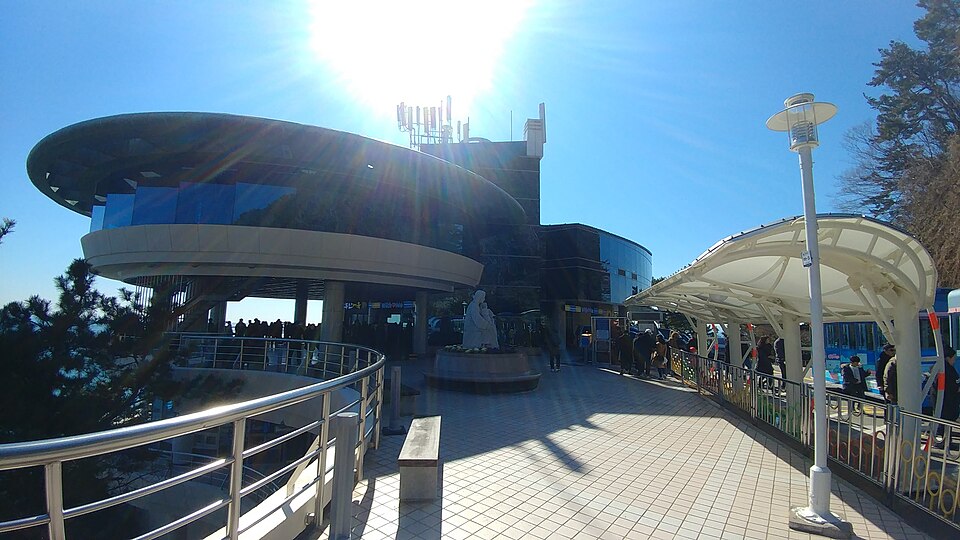
Taejongdae is a coastal park on Yeongdo Island, known for its rocky cliffs, forested walking routes, and open sea views. It is a good choice for travelers who want to experience Busan’s natural landscape beyond its beaches.
Best for: Coastal walks, sea cliffs, and nature.
Travel tip: Wear walking shoes and allow enough time to explore the park rather than treating it as a quick photo stop.
8. Huinnyeoul Culture Village
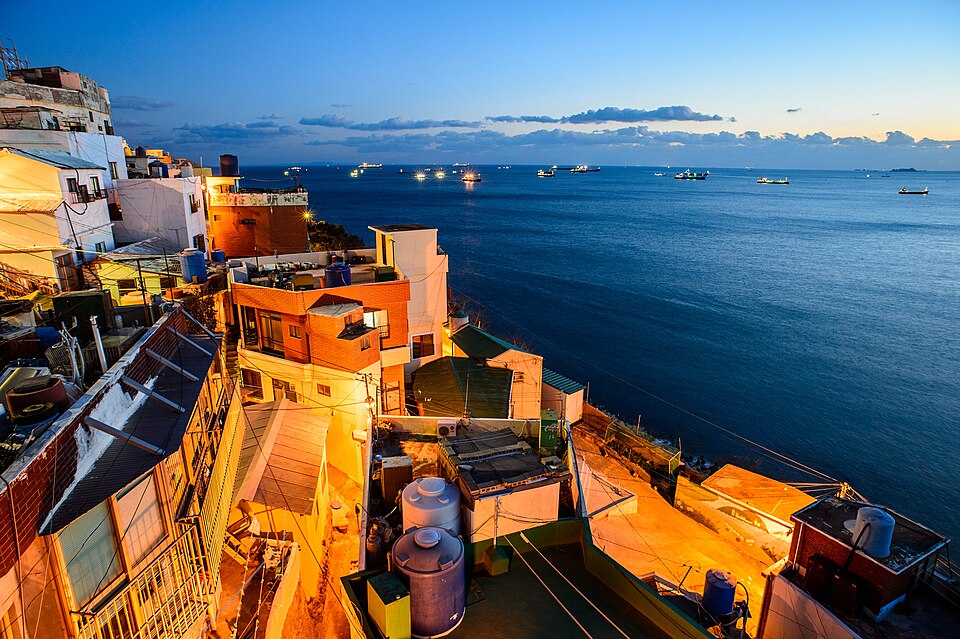
Huinnyeoul Culture Village sits along the coastal slopes of Yeongdo Island. Its narrow lanes, small cafés, and sea-facing viewpoints provide a quieter alternative to some of Busan’s busier attractions.
Best for: Ocean views, photography, and relaxed neighborhood walks.
Travel tip: Be respectful of residents because this is a lived-in neighborhood, not just a tourist attraction.
9. Seomyeon
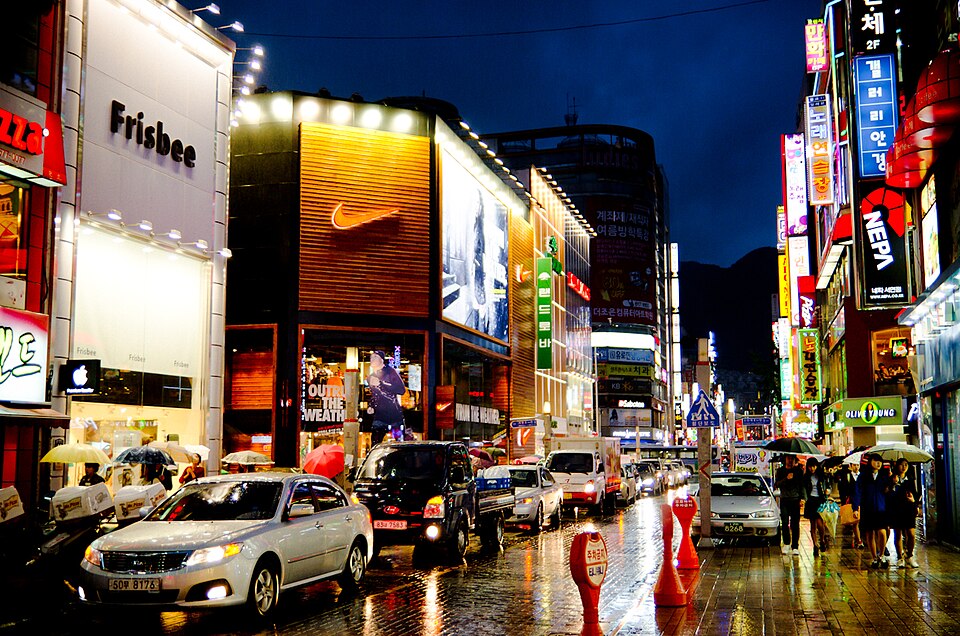
Seomyeon is one of Busan’s main urban centers, with shopping streets, restaurants, cafés, entertainment venues, and busy nightlife. Its central location also makes it useful for travelers visiting different parts of the city.
Best for: Food, shopping, nightlife, and convenient transport connections.
Travel tip: Consider staying here if you want an urban base with access to multiple metro routes.
10. Beomeosa Temple
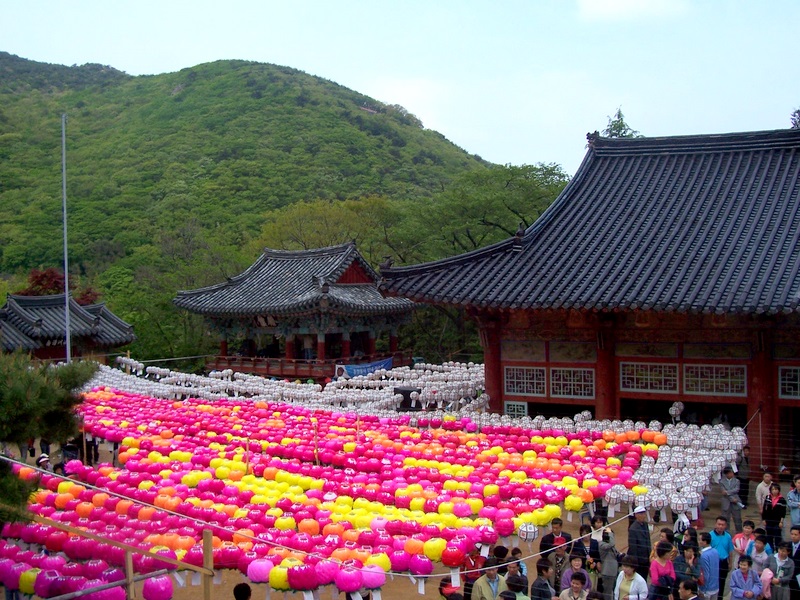
Located on the slopes of Geumjeongsan Mountain, Beomeosa is a historic Buddhist temple surrounded by forested scenery. It offers a different atmosphere from Busan’s coastal attractions and provides an opportunity to explore the city’s religious and cultural heritage.
Best for: Traditional architecture, mountain scenery, and a quieter cultural visit.
Travel tip: Take Busan Metro Line 1 to Beomeosa Station and continue by local bus or taxi toward the temple.
How Many Days Do You Need in Busan?
- 1 day: Choose one area, such as Haeundae or old downtown Busan. Avoid trying to cover the entire city.
- 2 days: Explore the eastern coast on one day and Gamcheon Culture Village, Jagalchi Market, and Nampo-dong on another.
- 3 days: Add Yeongdo Island, a coastal temple, or a quieter neighborhood to your itinerary.
Busan’s attractions are geographically spread out. Grouping nearby places together usually makes a trip more comfortable and efficient.
Getting Around Busan
Busan has a metro system, city buses, taxis, and intercity rail connections. The metro is useful for many major urban areas, while buses and taxis can help reach coastal attractions and hillside neighborhoods.
- From Seoul: KTX trains connect Seoul Station and Busan Station.
- From Gimhae International Airport: Check current metro connections and airport transport options for your destination.
- Within Busan: Use a transit card and check walking distances and transfers before leaving.
- For coastal attractions: Allow extra time for bus connections and walking.
Where Should You Stay in Busan?
Choose your accommodation based on the places you want to visit most.
- Haeundae: Best for beach holidays and eastern coastal attractions.
- Gwangalli: Best for oceanfront dining and nighttime bridge views.
- Seomyeon: Best for shopping, restaurants, nightlife, and central transport connections.
- Nampo-dong: Best for traditional markets, street food, and old downtown sightseeing.
Explore Busan by District
Busan is divided into 15 districts (gu) and one county (gun). Each area has its own mix of attractions, food, neighborhoods, and local character.
Exploring Busan district by district makes it easier to discover places beyond the most famous tourist spots, plan practical routes, and find experiences that match your travel interests.
Start with the areas that interest you most, then explore individual district guides for more specific recommendations on food, transport, shopping, beaches, and local attractions.