Seoul neighborhood guide: Discover the best areas to explore in Seoul, from historic districts filled with palaces and traditional streets to lively shopping areas, café neighborhoods, and nightlife spots. Each part of the city offers a different atmosphere, so choosing the right areas can help you plan a more enjoyable trip. This guide introduces Seoul’s key neighborhoods and helps first-time visitors decide where to explore.
Seoul at a Glance
Seoul can be broadly understood through several major travel areas:
- Jongno & Gwanghwamun — royal history, palaces, traditional neighborhoods, museums
- Myeongdong & Jung-gu — shopping, markets, Namsan, central Seoul
- Euljiro & Dongdaemun — old Seoul, food, design, shopping, nightlife
- Itaewon & Yongsan — international food, culture, museums, nightlife
- Hongdae & Yeonnam — youth culture, cafés, shopping, music, nightlife
- Mangwon & Hapjeong — markets, local food, cafés, neighborhood atmosphere
- Seongsu & Konkuk University — cafés, fashion, design, contemporary Korean lifestyle
- Yeouido & the Han River — skyline, parks, business districts, riverside activities
- Gangnam & Apgujeong — shopping, fashion, beauty, entertainment, modern Seoul
- Jamsil — major landmarks, shopping, sports, entertainment, family activities
These areas are not strict boundaries. Seoul’s neighborhoods naturally blend into one another, and smaller districts can have their own distinct character.
1. Jongno & Gwanghwamun
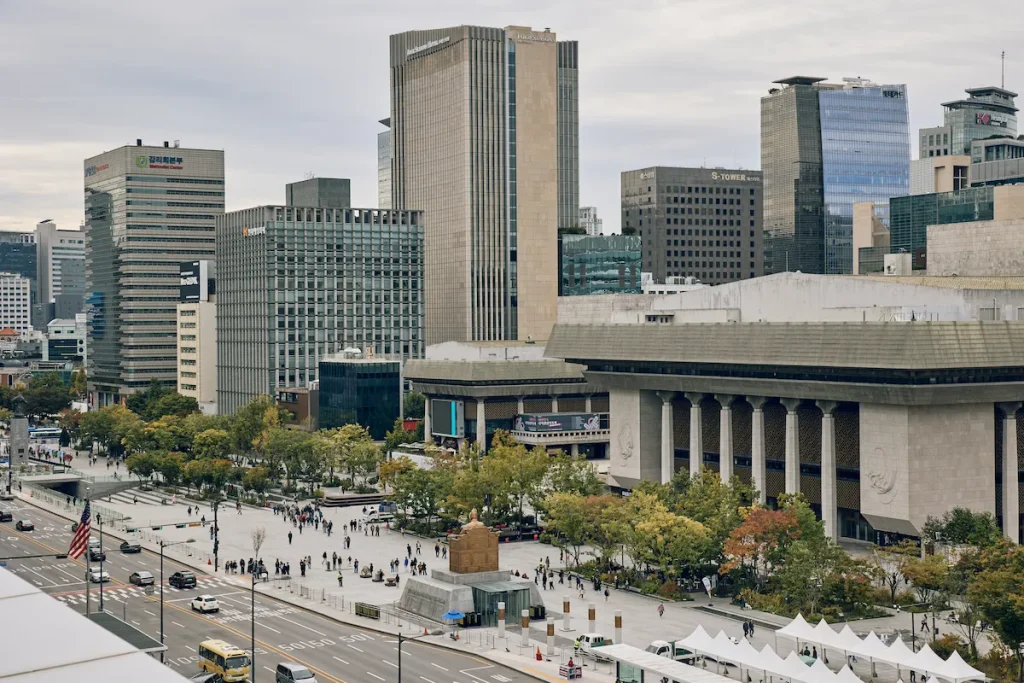
Best for: History, palaces, traditional Seoul, museums
This is one of the most important areas for understanding Seoul’s history.
Major sights include:
- Gyeongbokgung Palace
- Changdeokgung Palace
- Bukchon Hanok Village
- Insadong
- Gwanghwamun Square
- Jongmyo Shrine
- Ikseon-dong
The area is especially useful for first-time visitors who want to see traditional Korean architecture and understand Seoul’s historic center.
It is also one of the best areas to explore on foot because several major attractions are relatively close together.
Look deeper: Bukchon, Insadong, Ikseon-dong, Seochon, Insa-dong, Daehangno.
2. Myeongdong & Central Jung-gu
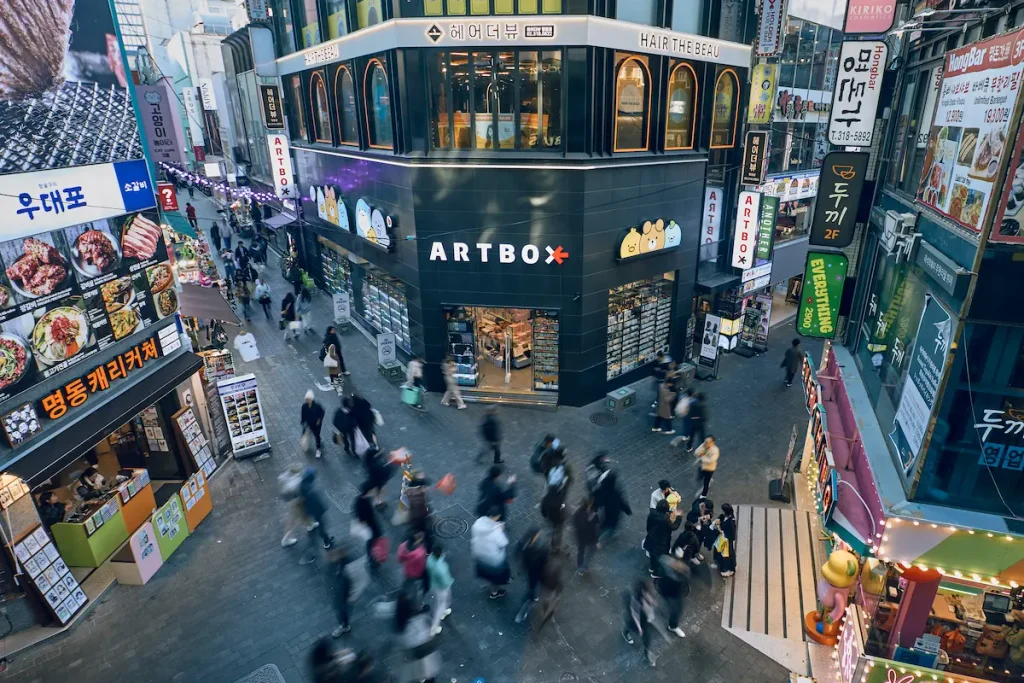
Best for: Shopping, cosmetics, food, central Seoul
Myeongdong is one of Seoul’s most convenient areas for first-time shoppers.
You can find:
- Korean beauty products
- Fashion
- Accessories
- Souvenirs
- Street food
- Restaurants
Nearby areas add even more variety, including Namdaemun Market, Namsan, Seoul Station, and the historic streets around City Hall.
This area works well for travelers who want shopping and major central attractions in the same part of the city.
Look deeper: Myeongdong, Namdaemun, Namsan, Seoul Station, City Hall.
3. Euljiro & Dongdaemun
Best for: Old Seoul, food, design, shopping, nightlife
Euljiro shows a different side of Seoul.
Older workshops, restaurants, small businesses, cafés, and newer creative spaces exist side by side.
Dongdaemun is better known for shopping, fashion, design, and large-scale urban attractions.
Together, the area shows how older parts of Seoul continue to change while retaining their original character.
Look deeper: Euljiro, Dongdaemun, DDP, Cheonggyecheon, Gwangjang Market.
4. Itaewon & Yongsan
Best for: International food, nightlife, museums, diverse culture
Itaewon is one of Seoul’s most internationally diverse neighborhoods.
You can find restaurants and businesses representing many different cultures, along with bars, cafés, shops, and nightlife.
Nearby Yongsan adds major cultural attractions, including the National Museum of Korea and Yongsan Family Park.
This is a good area for travelers who want something different from Seoul’s traditional tourist districts.
Look deeper: Itaewon, Haebangchon, Gyeongnidan-gil, Yongsan, National Museum of Korea.
5. Hongdae, Yeonnam & Sinchon
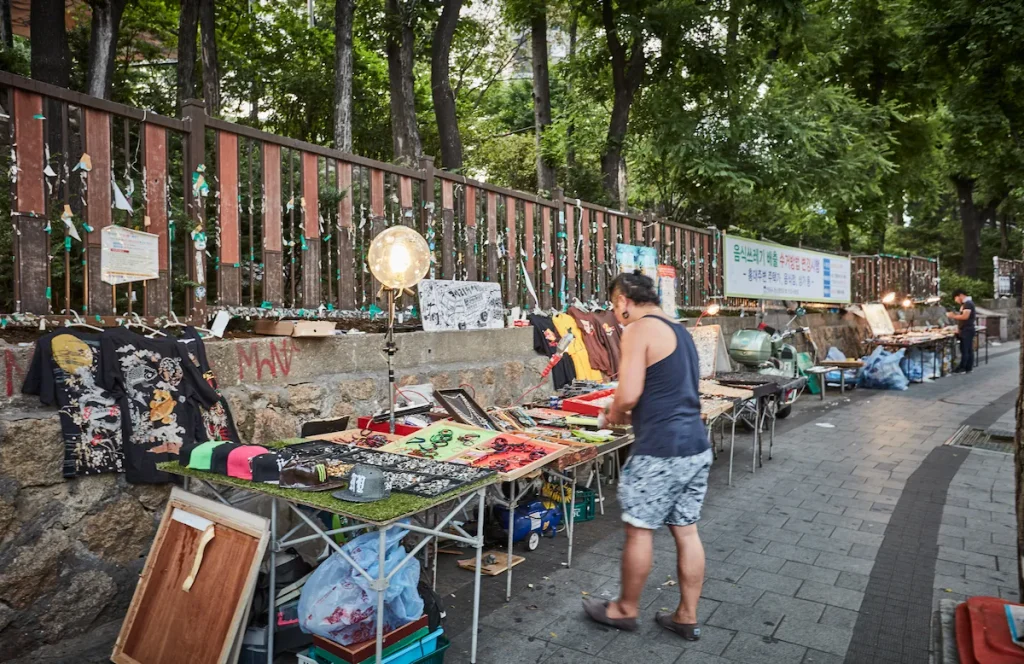
Best for: Youth culture, cafés, shopping, music, nightlife
Hongdae is one of Seoul’s best-known areas for contemporary youth culture.
The streets around Hongik University are filled with:
- Cafés
- Fashion shops
- Restaurants
- Street performances
- Music
- Art
- Nightlife
Nearby Yeonnam has a more relaxed café and neighborhood atmosphere, while Sinchon adds another major university-area environment.
This part of Seoul is particularly interesting for travelers who want to experience modern Korean urban culture.
Look deeper: Hongdae, Yeonnam, Sinchon, Ewha, Gyeongui Line Forest Park.
6. Mangwon & Hapjeong
Best for: Local food, markets, cafés, relaxed neighborhood life
Mangwon is a good choice if you want a less polished and more everyday neighborhood atmosphere.
Mangwon Market is especially useful for discovering Korean snacks and local foods.
Nearby Hapjeong connects the area with cafés, restaurants, shops, and the wider Hongdae district.
You can also combine the area with the nearby Hangang riverside.
Look deeper: Mangwon Market, Mangwon-dong, Hapjeong, Mangwon Hangang Park.
7. Seongsu & Konkuk University
Best for: Cafés, fashion, design, contemporary Korean lifestyle
Seongsu has become one of Seoul’s most recognizable contemporary neighborhoods.
Former industrial buildings have been transformed into cafés, restaurants, shops, studios, and creative spaces.
The area is particularly interesting for travelers interested in:
- Korean fashion
- Design
- Cafés
- Pop-up stores
- Lifestyle brands
- Photography
Nearby Seoul Forest provides a completely different atmosphere with open green space.
Look deeper: Seongsu, Seoul Forest, Ttukseom, Konkuk University.
8. Yeouido & the Han River
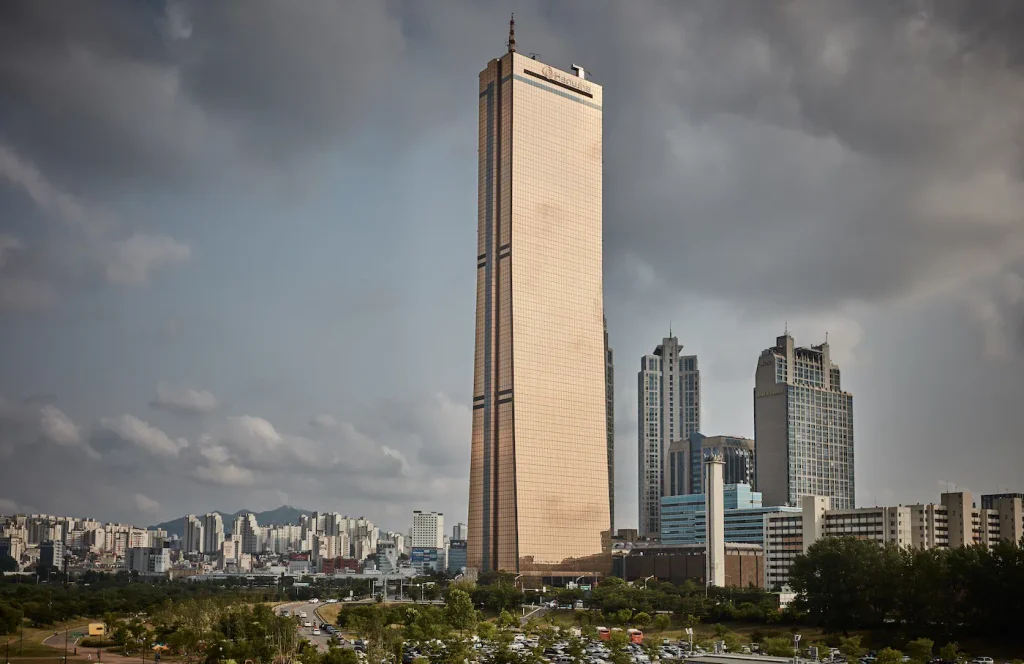
Best for: Skyline views, parks, riverside activities
Yeouido is one of Seoul’s major business districts, but it is also an important recreational area.
The Han River provides large parks and open spaces where visitors can walk, relax, cycle, enjoy seasonal events, and see Seoul’s skyline.
This is a useful area for travelers who want a break from dense commercial neighborhoods.
Look deeper: Yeouido Hangang Park, National Assembly area, Han River parks, riverside cycling.
9. Gangnam, Apgujeong & Cheongdam
Best for: Modern Seoul, fashion, beauty, shopping, entertainment
Gangnam represents a very different image of Seoul from the historic center.
The area is known for:
- Fashion
- Beauty
- Shopping
- Restaurants
- Cafés
- Entertainment
- Modern architecture
Apgujeong and Cheongdam are particularly associated with fashion, luxury shopping, beauty, and upscale lifestyle.
COEX and the surrounding Samseong area offer another major commercial and cultural zone.
Look deeper: Gangnam Station, Apgujeong, Cheongdam, Garosu-gil, Samseong, COEX.
10. Jamsil
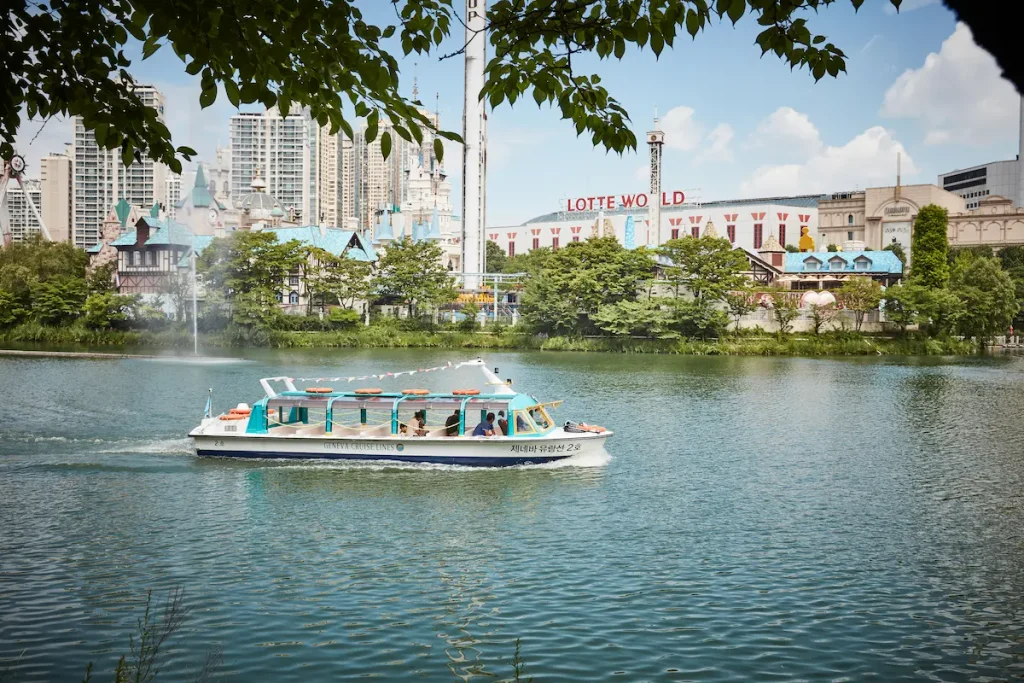
Best for: Major landmarks, shopping, sports, entertainment
Jamsil is one of Seoul’s largest entertainment areas.
The district includes:
- Lotte World
- Lotte World Tower
- Seokchon Lake
- Jamsil Sports Complex
- Large shopping and entertainment facilities
It can appeal to families, shoppers, sports fans, and travelers interested in Seoul’s modern skyline.
Look deeper: Lotte World, Lotte World Tower, Seokchon Lake, Jamsil Sports Complex.
11. Gangbuk & Northern Seoul
Best for: Mountains, hiking, nature, quieter Seoul
Northern Seoul offers a different experience from the busy central and southern districts.
Bukhansan is the major attraction, but the surrounding districts also contain parks, temples, residential neighborhoods, cultural sites, and walking areas.
This part of Seoul is particularly valuable for travelers who want nature or hiking without leaving the capital.
Look deeper: Bukhansan, Gangbuk-gu, Dobong-gu, Seongbuk-gu, Ui-dong, Dream Forest.
12. Seodaemun, Eunpyeong & Northwestern Seoul
Best for: Nature, history, quieter neighborhoods, traditional culture
Northwestern Seoul combines mountains, parks, historic sites, residential neighborhoods, and traditional architecture.
Eunpyeong Hanok Village is one of the area’s more distinctive destinations, while Haneul Park and other green spaces offer a different perspective on the city.
This region can be a good choice for travelers who have already seen the busiest central districts and want to explore further.
Look deeper: Eunpyeong Hanok Village, Haneul Park, Seodaemun, Ansan, Jinkwansa Temple.
Which Area Fits Your Travel Interests?
You can use Seoul’s neighborhoods to build your own travel style.
| If you are interested in… | Start with… |
|---|---|
| Korean history | Jongno & Gwanghwamun |
| Palaces & traditional culture | Jongno, Bukchon, Insadong |
| Shopping | Myeongdong, Gangnam, Dongdaemun |
| Korean beauty & fashion | Myeongdong, Gangnam, Apgujeong, Seongsu |
| Korean food | Jongno, Gwangjang, Mangwon, Euljiro |
| Street food & markets | Gwangjang, Namdaemun, Mangwon |
| Cafés | Seongsu, Yeonnam, Ikseon-dong |
| Youth culture | Hongdae, Sinchon |
| Nightlife | Hongdae, Itaewon, Gangnam |
| Modern Korean lifestyle | Seongsu, Gangnam |
| Nature | Bukhansan, Seoul Forest, Han River |
| Hiking | Bukhansan, northern Seoul |
| Museums & art | Yongsan, Jongno, Seodaemun |
| Family activities | Jamsil, Seoul Forest, Han River |
| Local neighborhood atmosphere | Mangwon, Euljiro, Yeonnam |
Seoul Is More Than Its Famous Attractions
Seoul’s most famous attractions are important, but they only represent part of the city.
A traveler who only visits Gyeongbokgung, Myeongdong, N Seoul Tower, and a few major markets may see the most recognizable side of Seoul without understanding how different its neighborhoods can be.
Exploring by area gives you a better way to discover the city.
You can start with a major district, identify the neighborhoods that interest you, and then research individual attractions, restaurants, markets, parks, museums, or activities within that area.
This makes it easier to build a trip around your interests rather than a fixed list of attractions.
How to Use This Guide
You do not need to choose only one area.
Instead, use Seoul’s neighborhoods as starting points.
For example:
Interested in history?
Start with Jongno and then explore individual palaces, hanok neighborhoods, museums, and historic sites.
Interested in food?
Start with Jongno, Mangwon, Euljiro, or another food-focused area and explore the specific dishes and markets within it.
Interested in modern Korean culture?
Look at Hongdae, Seongsu, Gangnam, and Apgujeong.
Interested in nature?
Explore Bukhansan, Seoul Forest, the Han River, and Seoul’s northern districts.
The more you narrow your search, the more specific your travel research can become.
Quick Guide
For history: Jongno & Gwanghwamun
For shopping: Myeongdong & Gangnam
For traditional Seoul: Bukchon & Insadong
For markets and food: Gwangjang, Namdaemun & Mangwon
For cafés: Seongsu & Yeonnam
For nightlife: Hongdae, Itaewon & Gangnam
For modern culture: Seongsu & Gangnam
For nature: Bukhansan, Seoul Forest & Han River
For families: Jamsil & Seoul Forest
For quieter exploration: Gangbuk, Eunpyeong & northern Seoul
Final Thoughts
Seoul is not one single travel experience.
It is a collection of neighborhoods, each with its own atmosphere, food, culture, history, and things to do.
Start broad, find the parts of Seoul that match your interests, and then go deeper.
Once you know which area you want to explore, it becomes much easier to discover the specific places, foods, activities, and experiences that belong there.