Seocho-gu is a large district in southern Seoul known for riverside parks, cultural venues, residential neighborhoods, and convenient transport connections. It offers a different side of Seoul from the busy shopping streets of nearby Gangnam.
From walking along the Han River to exploring local cafés and attending performances, Seocho-gu is worth considering if you want to add green spaces and cultural experiences to your Seoul plans.
1. Banpo Hangang Park
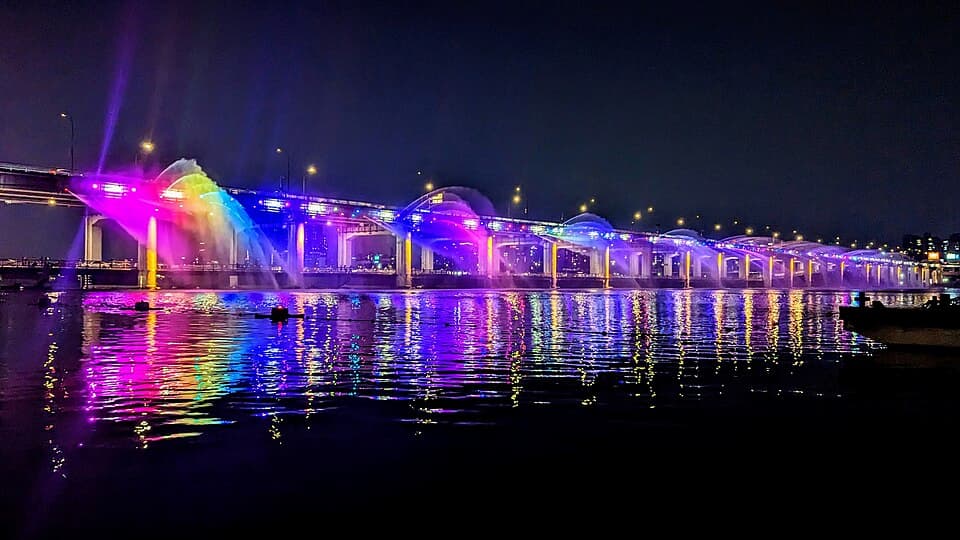

Banpo Hangang Park is a riverside park along the southern bank of the Han River. Visitors come here to walk, cycle, relax on the grass, and enjoy views of the river and bridges.
The nearby Banpo Bridge is known for its Moonlight Rainbow Fountain, which operates according to a seasonal schedule. Check the current operating times before planning a visit specifically to see the fountain.
Best for: Riverside walks, cycling, open-air relaxation, and evening views.
Nearest area: Express Bus Terminal or Sinbanpo, depending on the entrance.
2. Seorae Village
Seorae Village is a neighborhood known for its international character, cafés, bakeries, and small restaurants. French cultural influences are part of its history, and the area has a quieter atmosphere than Seoul’s major shopping districts.
It is a good option for visitors who prefer relaxed streets, independent cafés, and a slower-paced neighborhood experience.
Best for: Café visits, casual dining, and neighborhood walks.
3. Express Bus Terminal Shopping Area
The underground shopping arcade near Express Bus Terminal Station is a practical stop for clothing, accessories, and everyday shopping. Its indoor setting can also be useful on rainy or very hot days.
The station connects several subway lines, making the area convenient to combine with nearby Banpo attractions.
Best for: Budget-conscious shopping and transport connections.
4. Seoul Arts Center
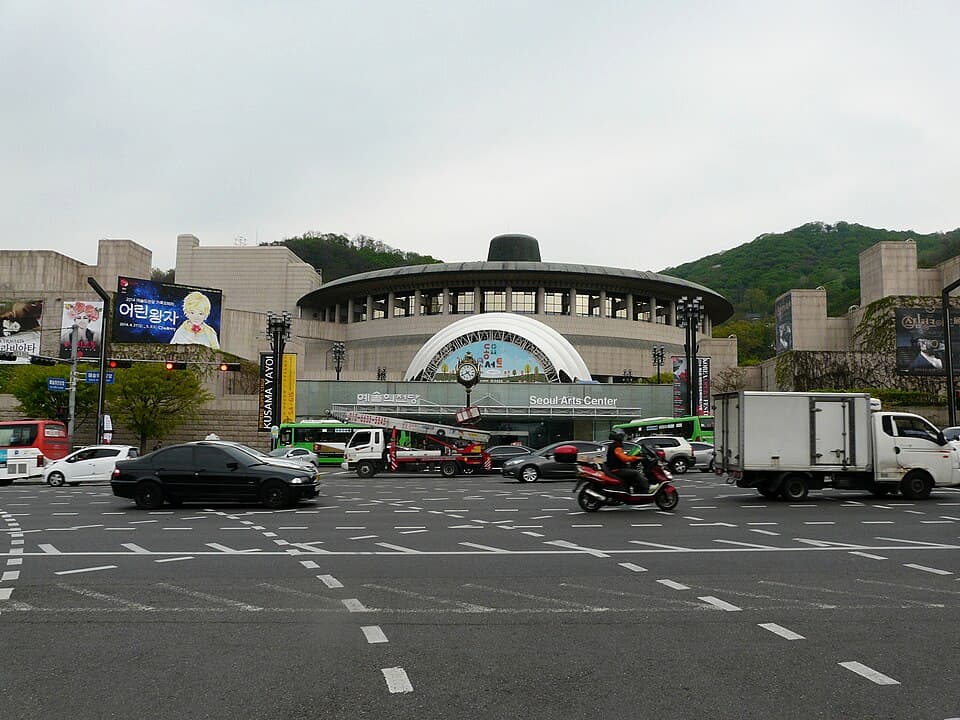

Seoul Arts Center is a major cultural complex with performance venues and exhibition spaces. Depending on the schedule, visitors may find classical music, opera, dance, visual art, and other cultural events.
Check the program and ticket availability in advance. Not every performance or exhibition is suitable for walk-in visits.
Best for: Art exhibitions, concerts, and performing arts.
5. National Gugak Center
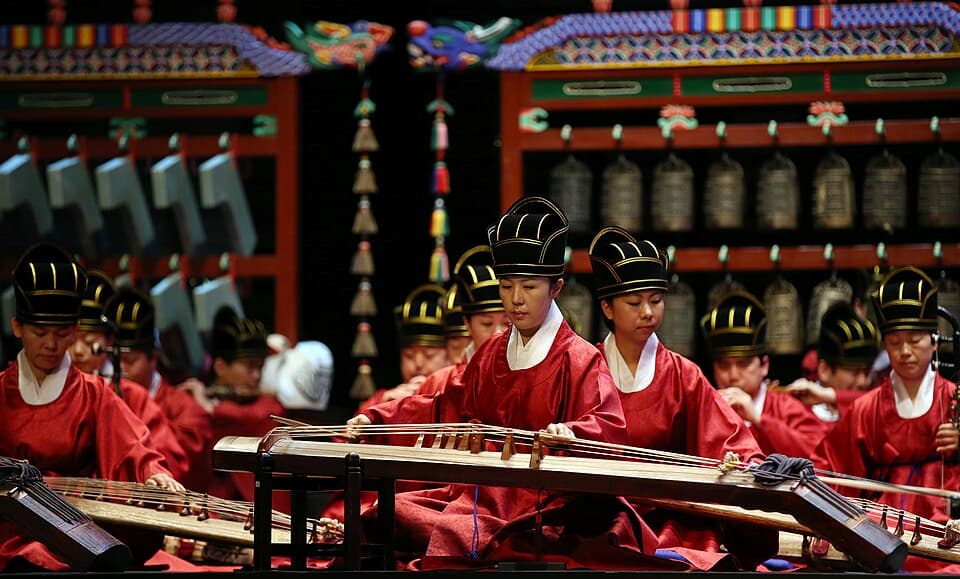

The National Gugak Center focuses on traditional Korean music and performing arts. It offers an opportunity to experience musical traditions that differ from contemporary K-pop and mainstream popular culture.
Performance schedules vary, so check available programs before visiting.
Best for: Traditional Korean music and cultural performances.
6. Yangjae Citizens’ Forest and Yangjaecheon
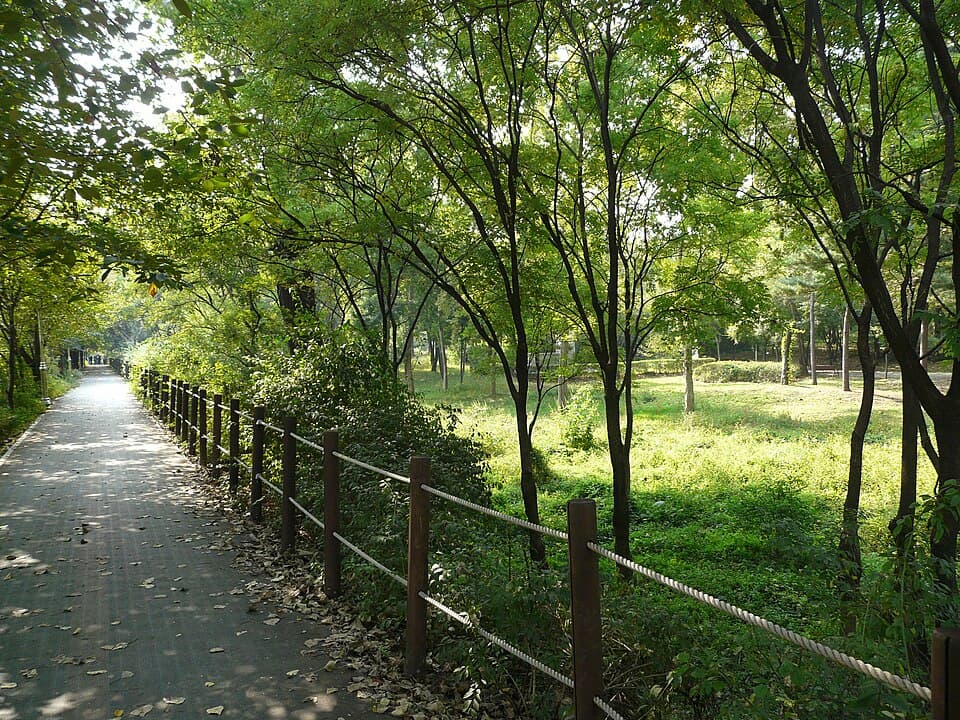

Yangjae Citizens’ Forest provides wooded walking paths and green space away from Seoul’s busiest commercial areas. Nearby Yangjaecheon Stream is another option for a quieter walk, with paths and cafés around parts of the stream.
These areas are particularly useful for travelers who want a break from shopping and sightseeing in central Seoul.
Best for: Nature walks, seasonal scenery, and a relaxed local atmosphere.
Getting Around Seocho-gu
Seocho-gu is served by several subway lines, including Lines 2, 3, 7, and 9, as well as the Shinbundang Line. The most convenient station depends on which attraction you plan to visit.
- Banpo Hangang Park: Choose a station and exit based on the specific riverside section you want to reach.
- Seorae Village: Check directions to the part of the neighborhood you want to explore.
- Express Bus Terminal: A major interchange for subway travel and intercity buses.
- Seoul Arts Center: Plan the final leg of your journey from the nearest suitable subway station or bus stop.
- Yangjae Citizens’ Forest: Shinbundang Line access is available nearby.
Because Seocho-gu covers a wide area, do not assume its attractions are all within walking distance of one another. Check the route between stops before combining them.
Is Seocho-gu Worth Visiting?
Seocho-gu is a good choice for travelers interested in riverside scenery, green spaces, cultural performances, and local neighborhoods. It may be less essential for visitors with very limited time who want to focus only on Seoul’s best-known historic landmarks or major shopping areas.
Choose the places that match your interests rather than trying to cover the entire district in one visit.
Practical note: Check current performance schedules, fountain operating times, and transport information before visiting.