Dongjak-gu is a district in southwestern Seoul where local markets, riverside paths, memorial sites, and public parks shape everyday life. It offers a more local experience than Seoul’s major shopping and tourist districts.
Whether you want to explore a traditional seafood market, take a quiet walk, or discover a different side of the city, Dongjak-gu has several places worth adding to your itinerary.
1. Noryangjin Fisheries Market
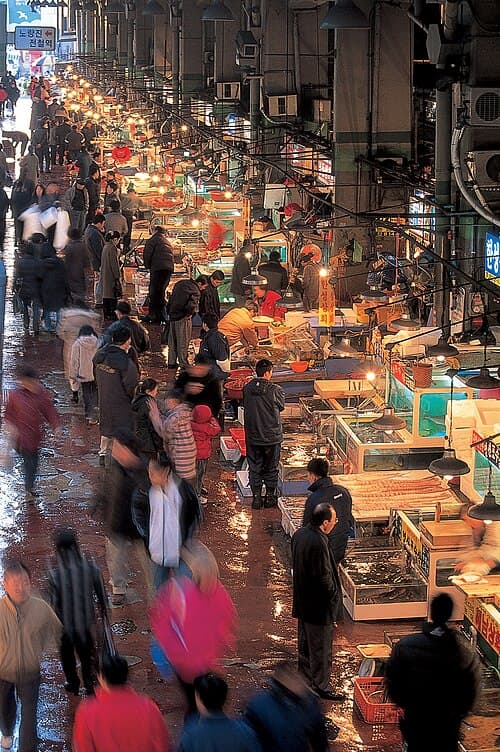

Noryangjin Fisheries Market is one of Seoul’s best-known destinations for seafood. Visitors can browse fresh fish, shellfish, and other seafood, with some vendors offering options to have purchases prepared for a meal.
Prices, preparation fees, and dining arrangements can vary by vendor. Confirm the total cost before ordering, especially if you are unfamiliar with buying seafood by weight.
Best for: Seafood, market culture, and a lively local atmosphere.
2. Seoul National Cemetery
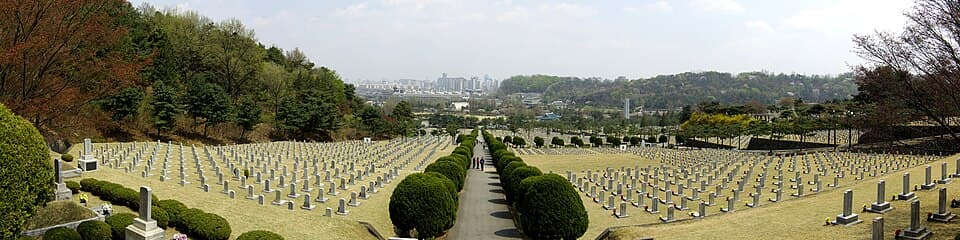

Seoul National Cemetery is a memorial site dedicated to people who served Korea. Its landscaped grounds, monuments, and tree-lined paths offer a quiet contrast to the busy streets nearby.
Visitors should treat the site respectfully, follow posted rules, and check access information before visiting. It is a memorial destination rather than a general entertainment attraction.
Best for: Korean history, reflection, and peaceful walks.
3. Boramae Park
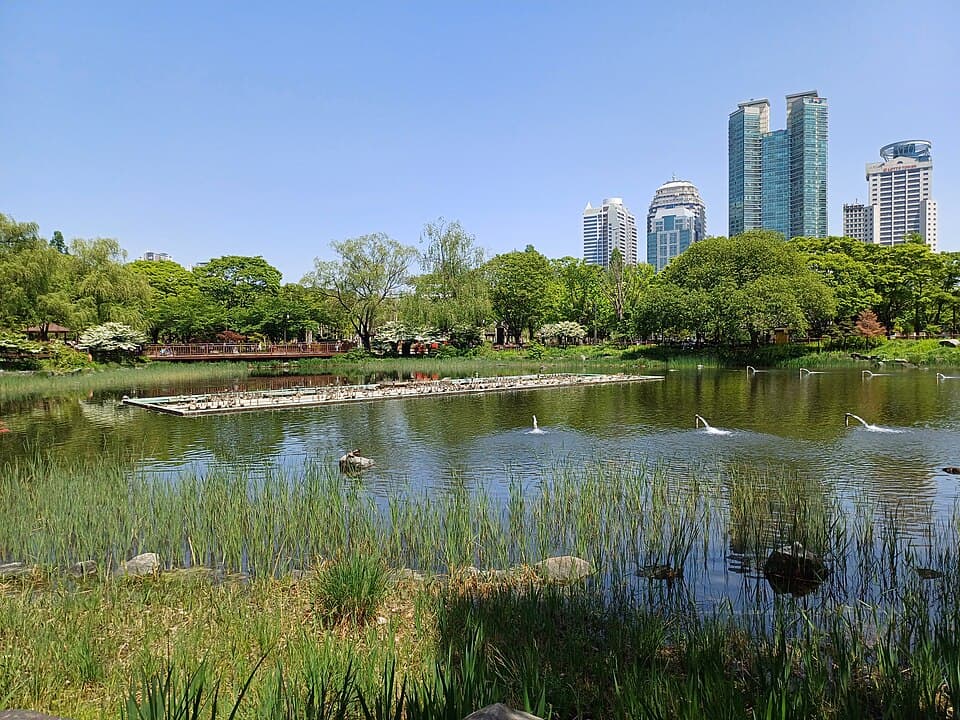

Boramae Park is a large public park with open lawns, walking paths, sports facilities, and green spaces. It is popular with local residents looking for somewhere to exercise, relax, or spend time outdoors.
The park is a practical option for travelers who want a break from crowded commercial areas. Seasonal flowers and autumn foliage can also make the grounds enjoyable at different times of year.
Best for: Walking, jogging, relaxing outdoors, and seasonal scenery.
4. The Hangang Riverside Around Dongjak
The Han River runs along the northern edge of Dongjak-gu, providing opportunities for riverside walks and views of the water and bridges. Paths and access points vary, so choose an entrance that suits the distance you want to walk.
For a relaxed visit, combine a short riverside walk with a nearby neighborhood stop rather than trying to cover several distant attractions on foot.
Best for: River views, walking, cycling, and outdoor breaks.
5. Local Neighborhoods Around Sadang and Sangdo
Sadang and Sangdo offer a look at everyday residential Seoul, with restaurants, cafés, small shops, and convenient public transport. These neighborhoods are useful for finding a casual meal or exploring streets outside the city’s main tourist areas.
They are not concentrated sightseeing zones, so approach them as local neighborhoods rather than destinations with one major landmark.
Best for: Casual dining, cafés, and everyday Seoul life.
Getting Around Dongjak-gu
Dongjak-gu is served by several subway stations, including Noryangjin, Dongjak, Sadang, Sangdo, and Boramae-area stations. The best route depends on your destination and the entrance you plan to use.
- Noryangjin Fisheries Market: Use Noryangjin Station and follow signs toward the market.
- Seoul National Cemetery: Check the nearest entrance and station before setting out.
- Boramae Park: Several stations serve different sides of the park, so choose the one closest to your intended entrance.
- Hangang riverside: Check the access point carefully; the river paths can be some distance from the nearest station exit.
Allow time for transfers and walking between stations and attractions. Dongjak-gu is spread across several neighborhoods, so visiting every place listed above in one short trip may not be practical.
Is Dongjak-gu Worth Visiting?
Dongjak-gu is a good choice for travelers interested in seafood markets, Korean history, public parks, and local neighborhoods. It works particularly well as a half-day outing or as an addition to an itinerary focused on southern and southwestern Seoul.
If your time is limited, choose one main attraction—such as Noryangjin Fisheries Market or Boramae Park—and explore the surrounding area at a comfortable pace.
Practical note: Check current market arrangements, cemetery access information, and public transport routes before visiting.