Dobong-gu travel guide: Explore the natural and historic side of northern Seoul through Dobongsan Mountain trails, royal tombs, peaceful parks, and local walking routes. Dobong-gu is a good destination for travelers who want to experience Seoul beyond its busiest shopping and tourist districts.
Best Places to Visit in Dobong-gu
1. Dobongsan Mountain
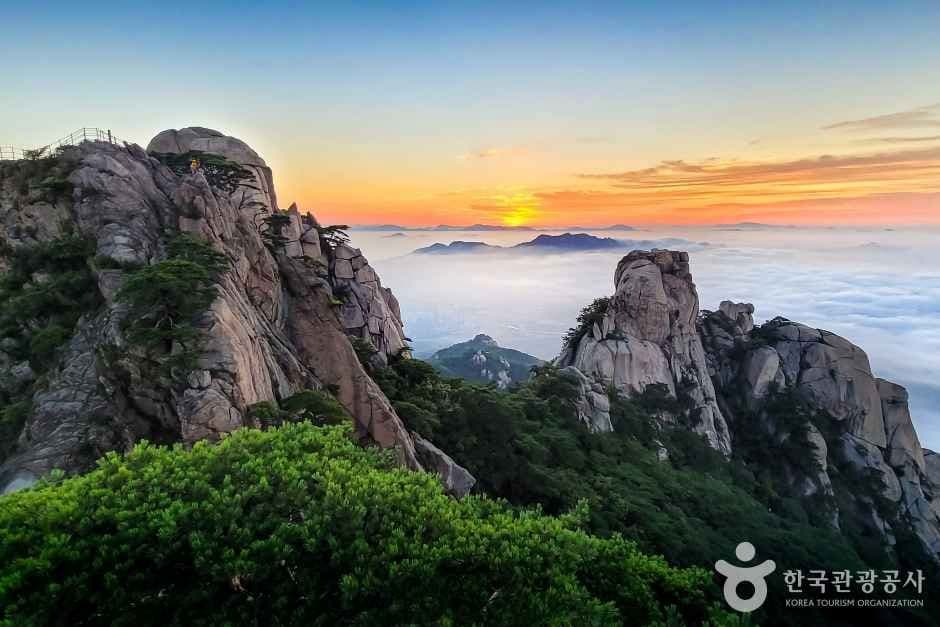
Dobongsan is one of Seoul’s most striking hiking destinations, known for its granite peaks, forested slopes, and scenic valleys. Trails range from easier walks to steep routes that require good fitness and preparation.
- Best for: Hiking, mountain scenery, and photography
- Getting there: Dobongsan Station, served by Subway Lines 1 and 7.
- Tip: Wear proper hiking shoes, bring water, and check trail conditions before starting. Some routes are steep and rocky.
2. Bukhansan Dulle-gil: Banghakdong-gil
Banghakdong-gil is a walking route through wooded areas and traditional landscapes, connecting Musugol with historic royal tombs. The full section is approximately 3.1 km and is generally considered an easy walk.
- Best for: A relaxed nature walk and cultural sightseeing
- Getting there: Dobong Station on Subway Line 1, followed by a walk or local bus to Musugol.
- Tip: Allow time to stop at the viewpoints and historic sites along the route.
3. Tomb of Princess Jeongui and Ahn Maeng-dam
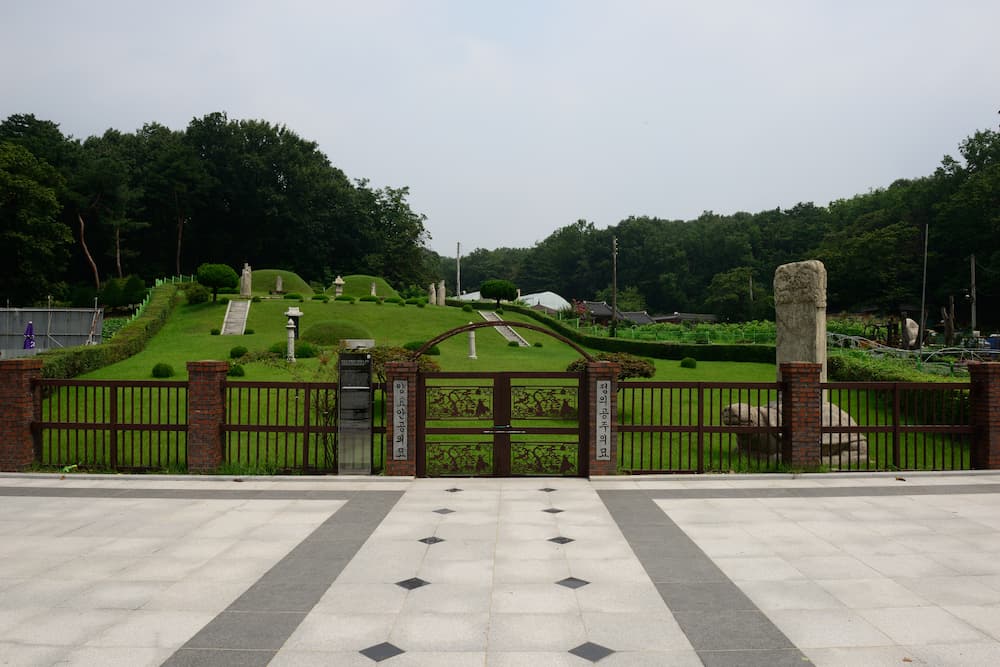
This historic royal tomb site commemorates Princess Jeongui, a daughter of King Sejong, and her husband Ahn Maeng-dam. It is part of the wider historical landscape around Banghakdong-gil.
- Best for: Korean royal history and cultural walks
- Tip: Treat the site respectfully and follow any access restrictions.
4. Banghak-dong Ginkgo Tree
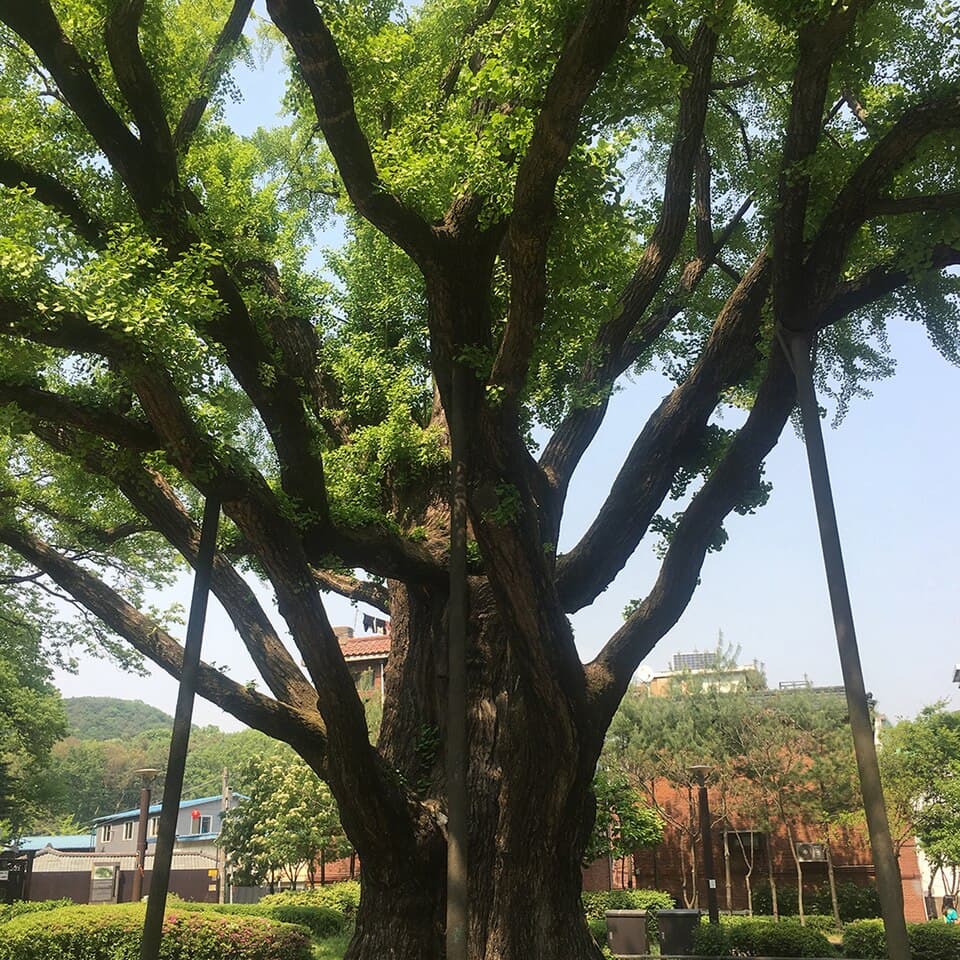

The old ginkgo tree in Banghak-dong is a notable local landmark included in Dobong’s historical and cultural walking routes. Its surroundings are especially attractive in autumn, when the leaves turn golden.
- Best for: Seasonal photography and a short neighborhood walk
- Tip: Combine it with nearby historical sites rather than planning a separate full-day visit.
5. Peace Culture Bunker
Peace Culture Bunker is a cultural space developed around former military infrastructure. It reflects how parts of Seoul have transformed old facilities into places for art, culture, and public activities.
- Best for: Urban history and cultural exploration
- Tip: Check current exhibitions, public access, and event schedules before visiting.
What to Eat in Dobong-gu
Dobong-gu is mainly a residential district, so local restaurants and neighborhood markets are a practical way to explore everyday Korean food.
- Around Dobongsan Station: Look for Korean meals and casual restaurants popular with hikers.
- Around Chang-dong: Explore neighborhood eateries, cafés, and market food.
- After hiking: Soups, noodle dishes, and rice meals are convenient options for a filling meal.
Restaurant opening hours and menus vary, so check details before making a special trip.
Getting Around Dobong-gu
- Subway Line 1: Useful for reaching Dobong Station and Dobongsan Station.
- Subway Line 4: Convenient for Chang-dong and connections to other parts of Seoul.
- Subway Line 7: Also serves Dobongsan Station.
- Local buses: Useful for reaching trail entrances and attractions farther from subway stations.
Mountain trails and historical sites are spread across the district. Plan your route around one main area to avoid spending too much time traveling between stops.
Quick Guide
- Best for hiking: Dobongsan Mountain
- Best for an easy outdoor walk: Banghakdong-gil
- Best for Korean history: Tomb of Princess Jeongui and Ahn Maeng-dam
- Best for autumn scenery: Banghak-dong Ginkgo Tree
- Best for urban culture: Peace Culture Bunker
- Suggested time: Half a day for one trail or a small group of nearby sites; a full day for a longer mountain hike
Dobong-gu is best for travelers who enjoy nature, walking, and history more than busy shopping districts. Choose a hiking route that matches your fitness level, and check current trail access and weather conditions before setting out.