This Dongnae-gu Busan Travel Guide introduces a historic district known for its traditional hot springs, old fortress walls, local markets, and Korean food. Located inland from Busan’s famous beaches, Dongnae offers a different side of the city, combining cultural heritage with everyday neighborhood life.
Visitors can explore Dongnae Eupseong Fortress, discover ancient artifacts at Bokcheon Museum, relax in the Dongnae Hot Spring District, and enjoy local dishes such as Dongnae pajeon. It is a good area for travelers interested in Korean history, traditional food, and a slower-paced city experience.
1. Dongnae Eupseong Fortress
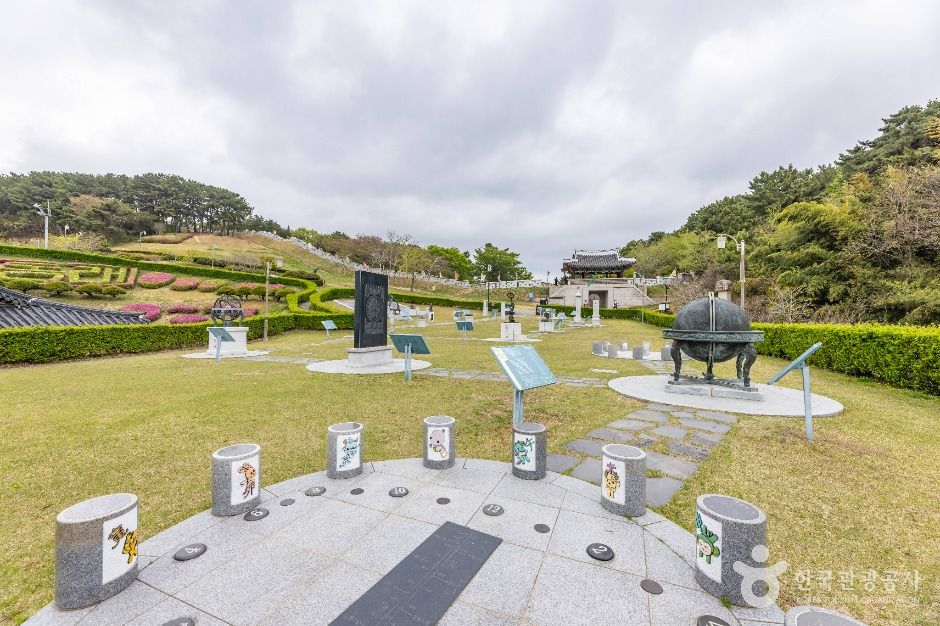
Dongnae Eupseong Fortress is a historic walled site associated with the defense of the Busan area. Today, visitors can explore sections of the fortress walls, gates, and surrounding walking paths while learning about the region’s past.
The area offers a contrast to Busan’s modern shopping streets and coastal attractions. Some paths include slopes and steps, so comfortable walking shoes are recommended.
- Best for: Korean history, heritage walks, and photography
- Suggested time: 1–2 hours
- Access: Local buses and walking routes connect the fortress area with nearby neighborhoods
Combine the fortress with Bokcheon Museum to understand more about the history and archaeology of the area.
2. Bokcheon Museum and Ancient Tombs
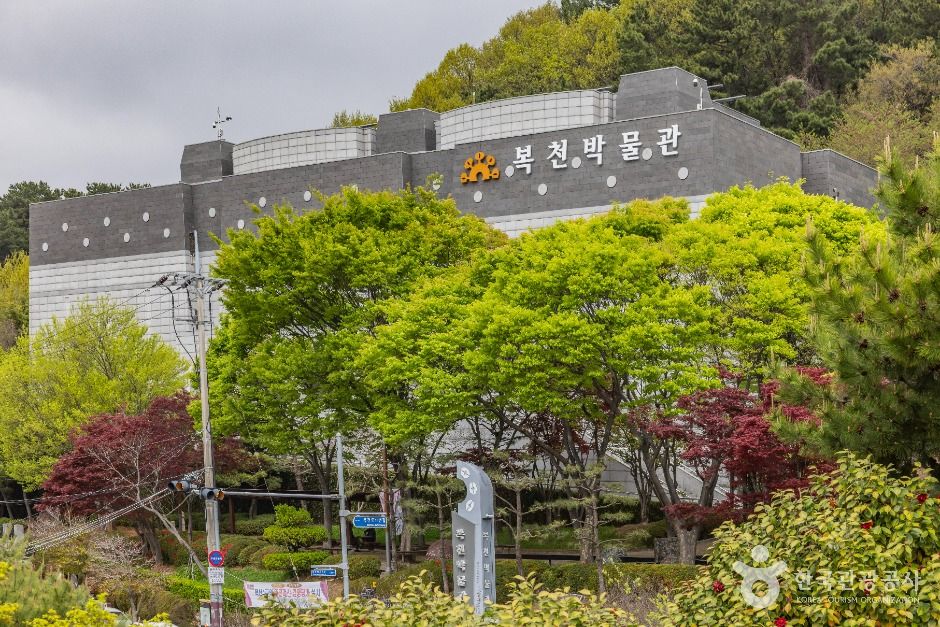
Bokcheon Museum presents archaeological discoveries from ancient tombs in the Bokcheon-dong area. Exhibits include artifacts such as pottery, armor, and other objects that help explain the history and material culture of ancient Korea, including the Gaya confederacy.
Outside, the nearby ancient tomb area offers a green open space among the surrounding urban neighborhoods. This is a useful stop for visitors who want more historical context beyond Busan’s better-known coastal attractions.
- Best for: Archaeology, ancient Korean history, and cultural learning
- Admission: Free
- Suggested time: Around 1–1.5 hours
- Access: Approximately an 18-minute walk from Suan Station, Busan Metro Line 4, Exit 5
The museum is generally open Tuesday through Sunday and closed on Mondays and January 1. Check current opening information before visiting.
3. Dongnae Hot Spring District
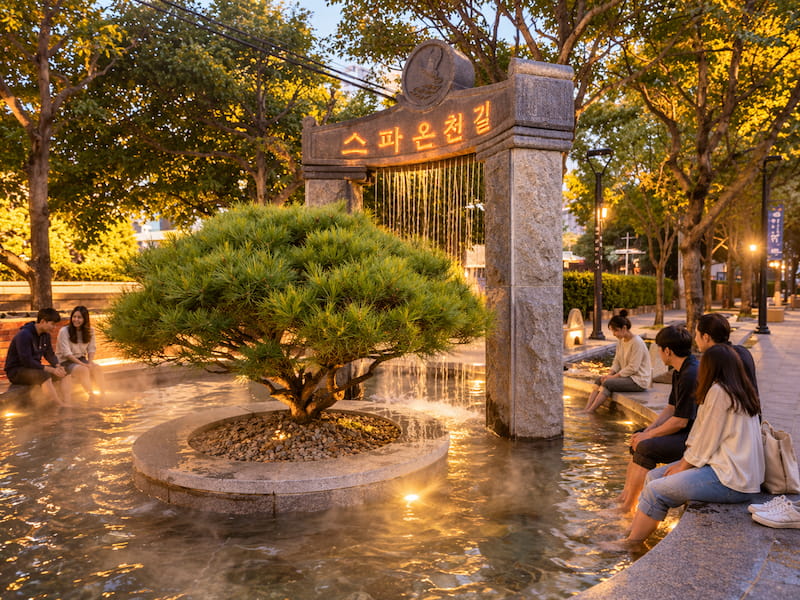
Dongnae Hot Springs is one of Korea’s historic hot spring areas, with a bathing tradition dating back approximately 1,400 years. The district is known for its naturally heated mineral water and facilities where visitors can experience Korea’s hot spring culture.
Depending on the facility, visitors may find public baths, spa services, or accommodation with bathing facilities. Entry rules, prices, and available services differ, so check the details before choosing a place.
- Best for: Relaxation and traditional Korean bathing culture
- Suggested time: 1–3 hours, depending on the facility
- Transport: The wider district is accessible through several metro and rail connections, including the Dongnae and Oncheonjang areas
If you visit a traditional Korean bathhouse, follow the facility’s washing and bathing rules. Many public baths have separate bathing areas for men and women, and guests generally bathe without swimwear in those areas.
4. Geumgang Park
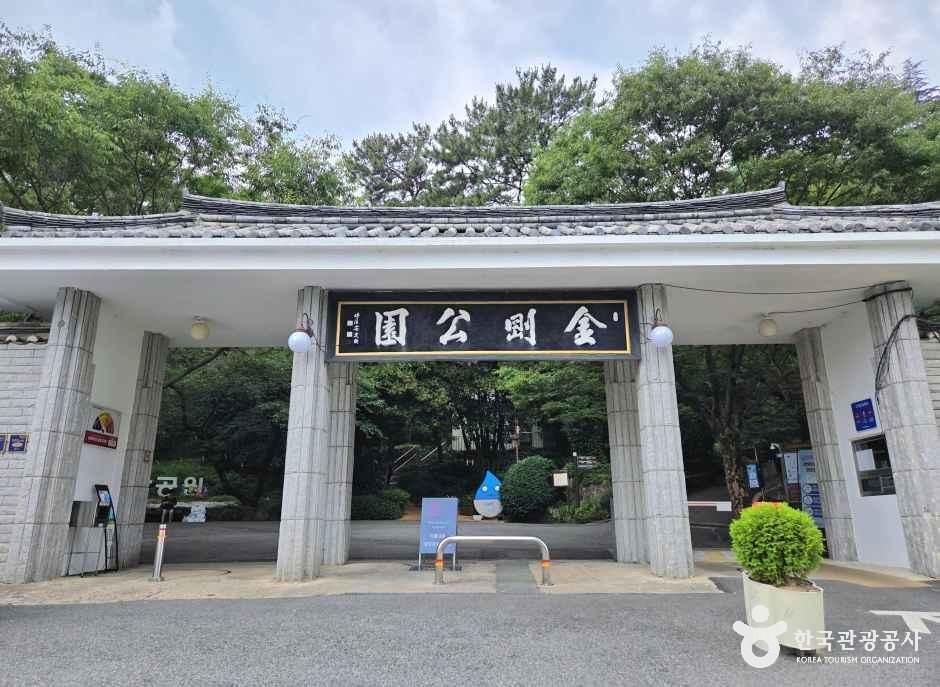
Geumgang Park is a green hillside park where visitors can enjoy wooded paths, seasonal scenery, and a break from the busy city streets. It is a good option for travelers who want to combine local history and hot springs with some time outdoors.
The park also provides access to the Geumgang Park Cable Car, which offers elevated views of the surrounding landscape when operating.
- Best for: Nature walks, greenery, and scenic views
- Suggested time: 1–2 hours
- Transport: Local bus connections are available from the Dongnae area
The cable car operates separately from the park’s walking areas and may have different operating hours or closure days. Check the current schedule before planning your visit.
Food to Try
Dongnae has a strong local food identity, particularly for traditional Korean dishes and neighborhood restaurants.
- Dongnae pajeon: A local-style savory pancake made with green onions and other ingredients, often served with a dipping sauce.
- Dwaeji-gukbap: Busan-style pork and rice soup, commonly served with rice and side dishes.
- Korean market food: Explore traditional market stalls for snacks, noodles, dumplings, and everyday Korean dishes.
- Traditional Korean meals: Local restaurants offer soups, stews, rice dishes, and shared meals suitable for lunch or dinner.
Menus and prices vary by restaurant. If you have food allergies or dietary restrictions, ask staff about ingredients before ordering.
How to Get Around Dongnae-gu
Subway: Busan Metro Lines 1, 3, and 4 serve different parts of the wider Dongnae area. Choose your station based on the attraction rather than assuming all sites are close to Dongnae Station.
Local buses: Buses are useful for reaching the fortress, museum, park, and hot spring neighborhoods. Check the destination and stop before boarding.
Walking: The fortress and museum can be combined into a historical outing, while the hot spring district is better planned as a separate stop. Some routes include hills or uneven paths.
Taxi: A taxi can save time when traveling between attractions that are not close to one another, especially if you have limited time.
How Much Time Do You Need?
- Half a day: Visit Dongnae Eupseong Fortress and Bokcheon Museum.
- One full day: Combine the historical sites with Geumgang Park or a hot spring visit.
- A relaxed overnight stay: Explore the heritage sites during the day and enjoy the hot spring district in the evening.
For a first visit, focus on two or three nearby attractions rather than trying to cover the entire district in a few hours.
Why Visit Dongnae-gu?
Dongnae-gu helps visitors discover a more traditional side of Busan beyond its beaches and modern skyline. Its historic fortress, archaeological museum, local food, green parkland, and long-standing hot spring culture make it a worthwhile addition to a trip focused on Korean heritage and everyday life.
For a practical itinerary, pair the fortress with Bokcheon Museum, then leave time for a meal or a visit to the hot spring district.
Before visiting, check current museum hours, cable car operations, and individual hot spring facility prices and access rules.