Ganghwa Island is a historic destination in Incheon, known for its ancient dolmens, traditional temples, fortress sites, and coastal landscapes. Located northwest of Incheon’s urban area, it offers a quieter experience with a mix of Korean history, countryside scenery, and island culture.
Ganghwa is a good destination for travelers interested in history, nature, and exploring places beyond central Incheon. Because attractions are spread across the island, planning transportation is important.
1. Ganghwa Dolmen
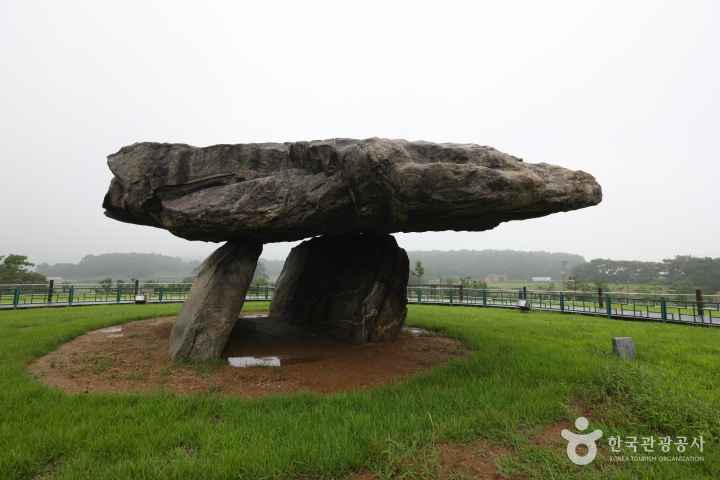
Ganghwa Dolmen is one of the island’s most important prehistoric sites.
The area contains ancient stone burial monuments associated with Korea’s Bronze Age. The dolmens are part of the UNESCO-listed Gochang, Hwasun and Ganghwa Dolmen Sites, recognized for their archaeological significance.
Visitors can walk around the open site and observe the large stone structures. The surrounding landscape also provides a peaceful setting for photography.
Allow time to explore the nearby exhibition facilities if they are open during your visit.
2. Ganghwa Peace Observatory
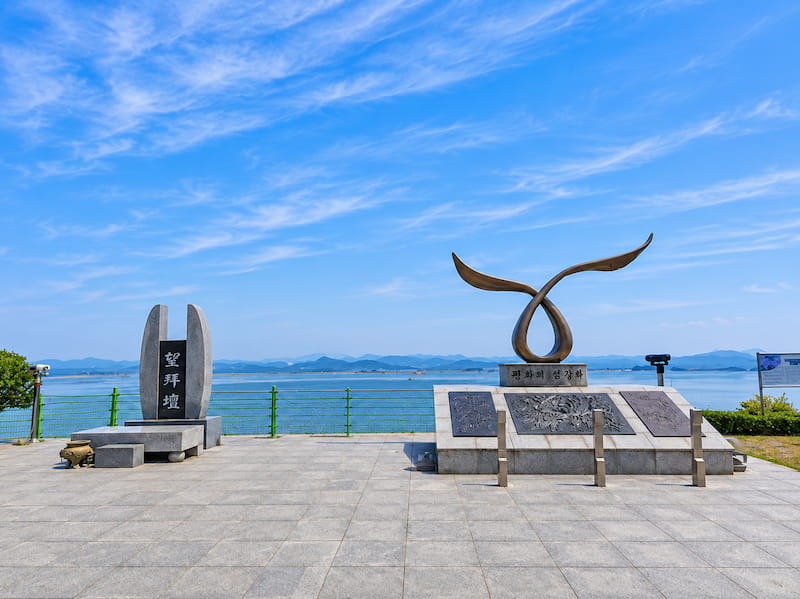
Ganghwa Peace Observatory is located near the northern part of the island and provides views toward the North Korean side of the border.
The observatory introduces the geography and history of the Korean Peninsula’s division. Visitors can use viewing facilities to look across the border area, although visibility depends on weather and atmospheric conditions.
Because the observatory is in a controlled border area, visitors should follow access instructions and bring valid identification if required.
Check current opening hours, admission information, and transportation before traveling.
3. Ganghwa Anglican Church
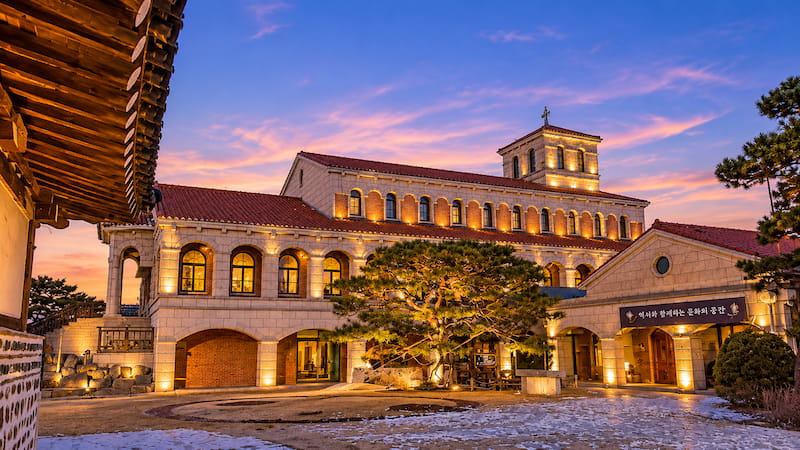
Ganghwa Anglican Church is a historic church known for its distinctive combination of Korean and Western architectural elements.
The building reflects the introduction of Anglican Christianity to the island and is notable for its traditional wooden structure and local architectural style.
Visitors can view the exterior and learn about the church’s historical significance. Access to the interior may depend on worship schedules and local arrangements.
The church is located in the historic area of Ganghwa-eup and can be combined with nearby cultural sites.
4. Goryeo Palace Site
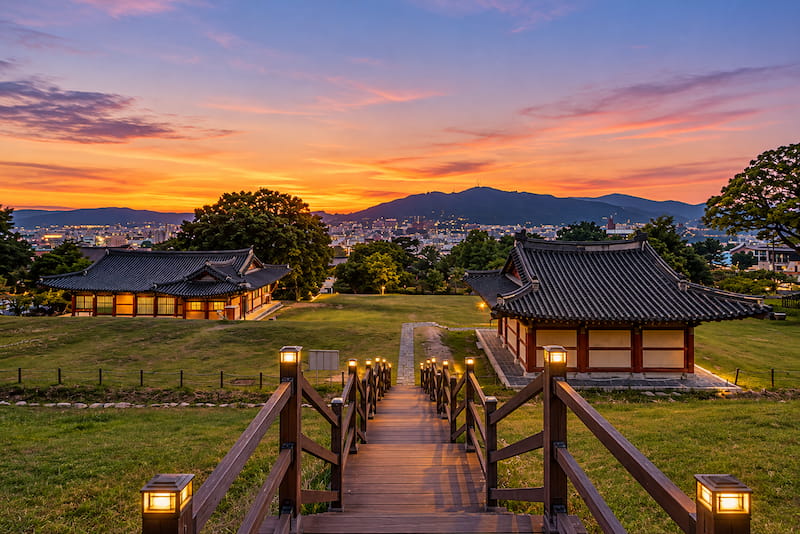
The Goryeo Palace Site is associated with the period when the Goryeo government moved its capital to Ganghwa during the Mongol invasions.
The site helps explain Ganghwa’s strategic importance in Korean history. Visitors can explore the historic grounds and learn about the temporary royal residence and the island’s role during this period.
The remaining structures and archaeological features provide a connection to the Goryeo dynasty.
Allow time to explore the site and nearby historic streets.
5. Jeondeungsa Temple
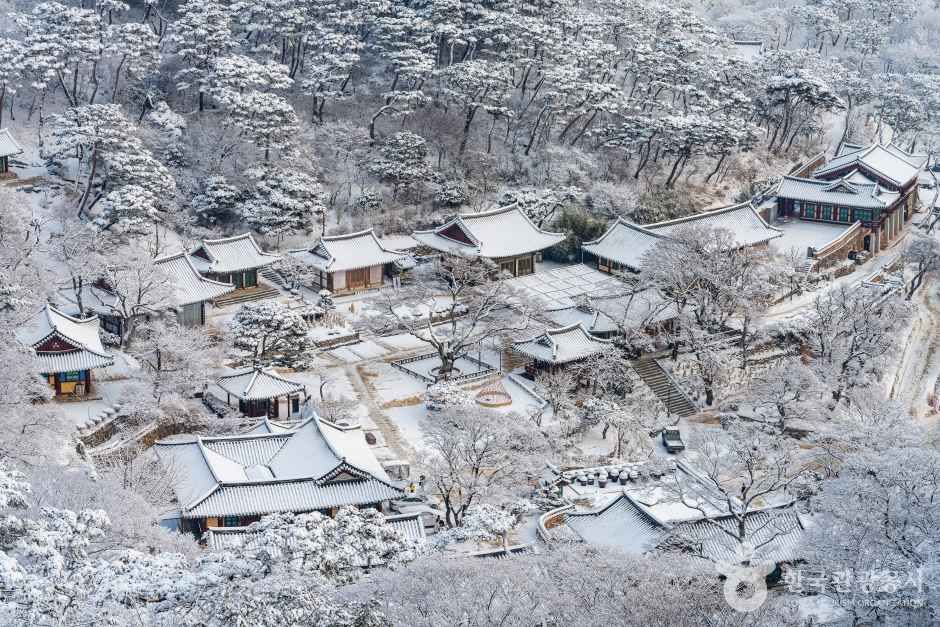
Jeondeungsa Temple is a historic Buddhist temple located in the forested area of Ganghwa Island.
The temple is known for its traditional buildings, peaceful surroundings, and connection to Korean Buddhist history.
Visitors can walk through the temple grounds, observe traditional architecture, and enjoy the surrounding forest.
The approach includes uphill walking, so comfortable shoes are recommended. Visitors should also respect worshippers and follow signs around restricted areas.
6. Ganghwa Coastal Scenery
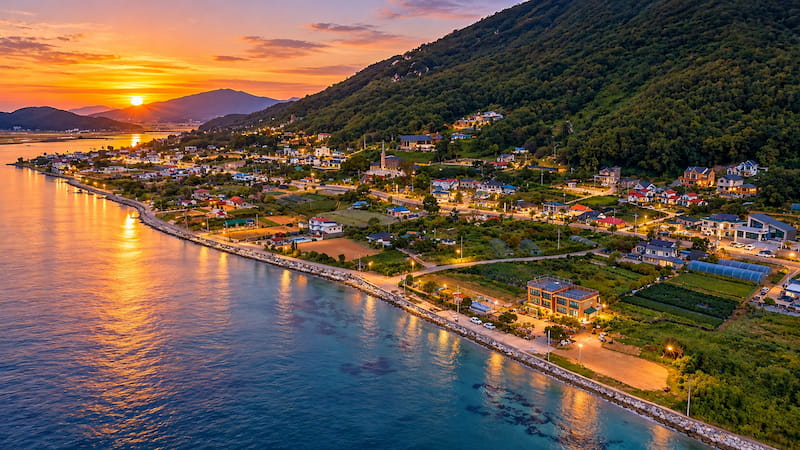
Ganghwa Island has a varied coastline with tidal flats, beaches, fishing villages, and open sea views.
The coastal areas offer opportunities for photography, quiet walks, and observing the island’s natural environment.
Tidal conditions are important when visiting coastal viewpoints and mudflat areas. Some locations look very different at high and low tide.
Check local access conditions and avoid walking onto tidal flats without understanding the tide schedule and safety risks.
Food to Try on Ganghwa Island
Ganghwa is known for local seafood, agricultural products, and traditional Korean meals.
Consider trying:
- Ganghwa turnip: A local vegetable often used in kimchi and seasonal dishes.
- Seafood: Fish and shellfish are available in coastal restaurants.
- Korean set meals: Rice, soup, and side dishes provide a convenient lunch option.
- Local rice and seasonal produce: Some restaurants feature ingredients grown on the island.
Menus and prices vary by restaurant and season. Check the menu before ordering, especially if you have dietary restrictions.
How to Get to Ganghwa Island
By bus: Local and intercity buses connect Ganghwa with Incheon and other parts of the metropolitan area. Routes and travel times depend on your departure point.
From Seoul: Travel to Ganghwa by bus or through an Incheon transfer. Check the current route and timetable before departure.
By car or taxi: A car is useful because attractions are spread across the island. Taxis may be convenient for individual transfers, but availability can be limited in some areas.
On the island: Public transportation does not always connect attractions directly or frequently. Check the return bus schedule before visiting remote sites.
Ganghwa is best explored with a planned route rather than relying on spontaneous transfers between distant attractions.
How Much Time Do You Need?
Allow one full day to visit several major attractions on Ganghwa Island.
A shorter visit may be possible if you focus on the historic town area or one specific attraction. Visiting the northern observatory, dolmen site, temple, and coastal areas in one day requires careful route planning.
For a relaxed trip, choose a few attractions that are geographically close rather than trying to cover the entire island.
Why Visit Ganghwa Island?
Ganghwa Island offers a different experience from Incheon’s modern districts and busy waterfront attractions.
Its prehistoric monuments, historic sites, Buddhist temple, and coastal landscapes make it a rewarding destination for travelers interested in Korean history and nature.
The island is particularly suitable for a day trip, but visitors should plan transportation carefully because attractions are spread across a large area.
Before visiting, check current opening hours, access restrictions, public transportation schedules, and weather conditions.