Paju is a city in northern Gyeonggi-do, near the border between South Korea and North Korea. It is known for its modern history, peace-related attractions, art spaces, book culture, and scenic countryside.
Located northwest of Seoul, Paju offers a different travel experience from the capital. Visitors can explore the history of Korea’s division, walk through creative art districts, discover publishing culture, and enjoy lakeside scenery.
This Paju travel guide introduces the city’s main attractions, local food, transportation, and practical tips for planning a day trip or longer visit.
1. Imjingak and Pyeonghwa Nuri Park
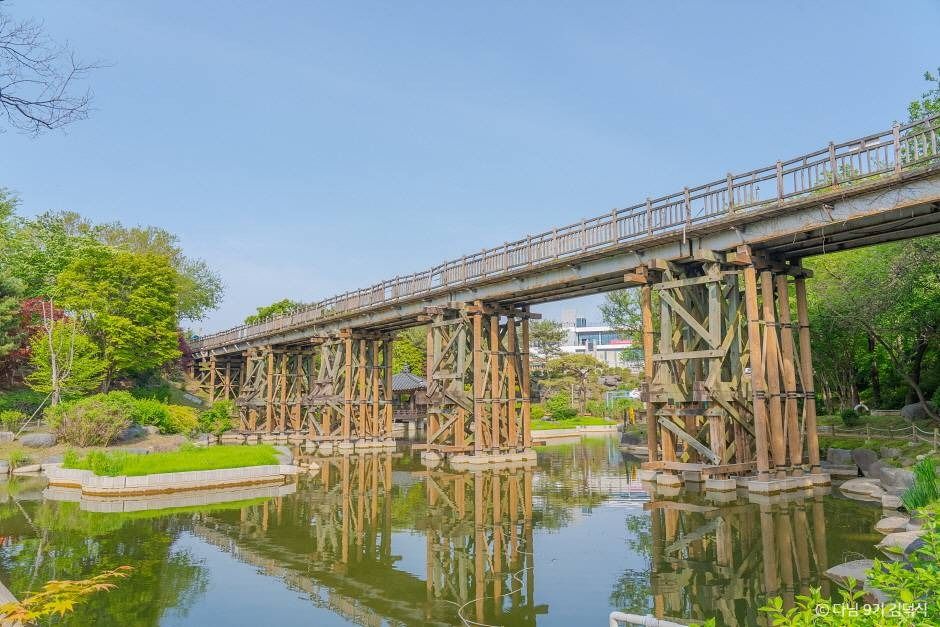
Imjingak is one of Paju’s best-known destinations for understanding the history of Korea’s division.
The area includes memorial sites, historic structures, and public spaces connected to the Korean War and separated families. Nearby Pyeonghwa Nuri Park offers a large open landscape with sculptures and walking areas.
Visitors can explore the memorial grounds and learn about the meaning of peace and reunification in modern Korean history.
What to see
- Imjingak memorial area
- Freedom Bridge and related historic sites
- Pyeonghwa Nuri Park
- Peace-themed sculptures and outdoor spaces
Travel tip: Imjingak can be visited independently, but access to certain DMZ-related sites requires a separate tour and may be affected by security conditions. Check current tour availability, identification requirements, and restrictions before traveling.
2. Odusan Unification Observatory
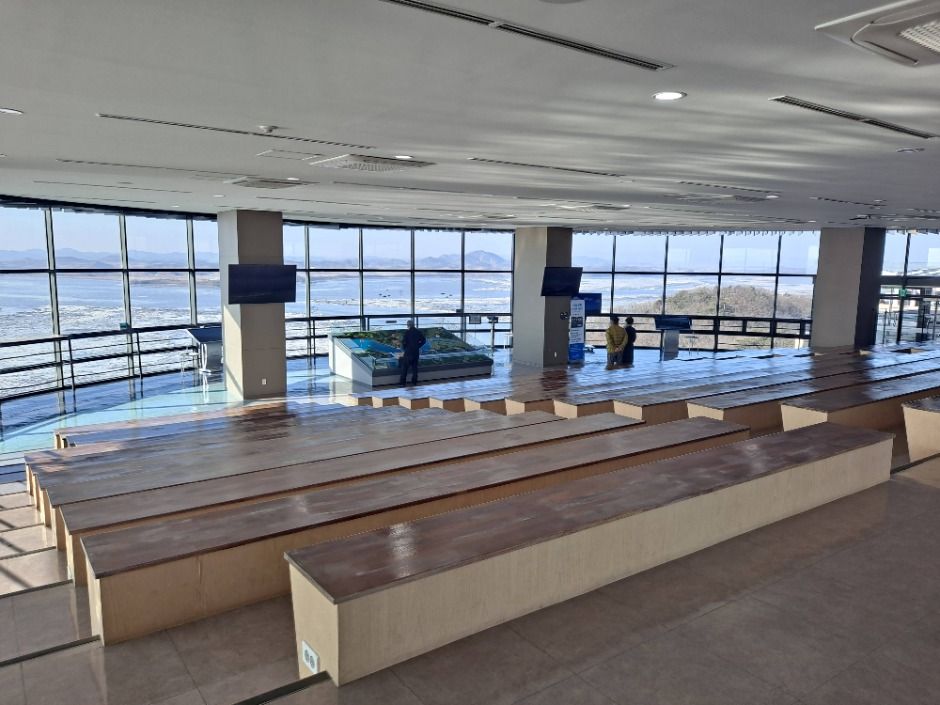
Odusan Unification Observatory is located near the meeting area of the Han and Imjin rivers.
From the observatory, visitors can look across the river toward the North Korean side. Exhibitions explain the division of the Korean Peninsula and provide historical and cultural information about North Korea.
The observatory offers a useful introduction to the border region without requiring visitors to enter the DMZ.
What to experience
- Views across the river toward North Korea
- Exhibitions about Korean division and reunification
- Historical and cultural information
- Scenic views of the river landscape
Travel tip: The observatory is separate from Imjingak. Plan transportation between the two sites rather than assuming they are within walking distance. Check current operating hours and closure days before visiting.
3. Heyri Art Village
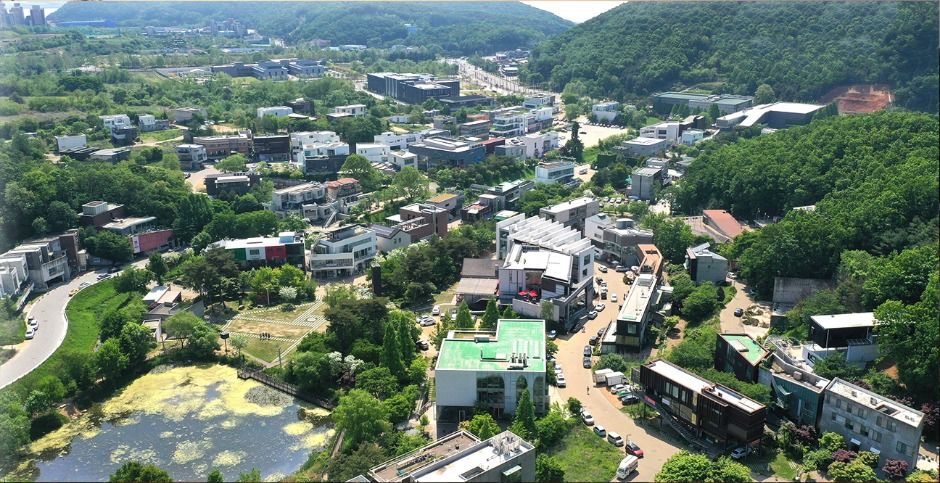
Heyri Art Village is a cultural district in Paju created by artists, writers, architects, and other creative professionals.
The village contains galleries, museums, studios, bookshops, cafés, and distinctive modern buildings. Its architecture and natural surroundings make it a pleasant place to explore at a relaxed pace.
Visitors can walk between creative spaces, browse exhibitions, and enjoy cafés or small shops.
What to do
- Explore galleries and museums
- See distinctive architectural designs
- Visit cafés and independent shops
- Check exhibitions and cultural events
Travel tip: The village itself does not generally require an entrance ticket, but individual museums, exhibitions, and activities may charge fees. Opening days and hours vary by venue, and some places close on Mondays.
4. Paju Book City
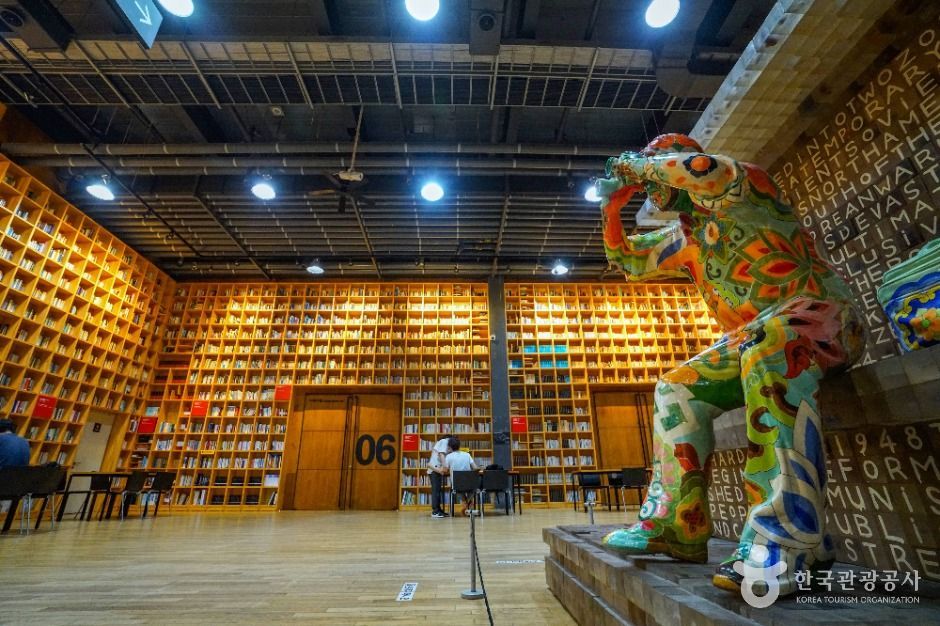
Paju Book City is a publishing and cultural district developed around books, printing, publishing, and related creative industries.
The area is known for its architecture, bookstores, publishing facilities, and cultural spaces. It offers a quieter experience for visitors interested in literature, design, and contemporary Korean culture.
The Forest of Wisdom is a well-known book space featuring tall bookshelves and a large collection of books.
What to see
- Forest of Wisdom
- Book-related buildings and cultural spaces
- Contemporary architecture
- Bookshops and cafés
Travel tip: Paju Book City is not directly next to Heyri Art Village or Imjingak. Check the route and travel time before combining these places in one day.
5. Majang Lake Suspension Bridge
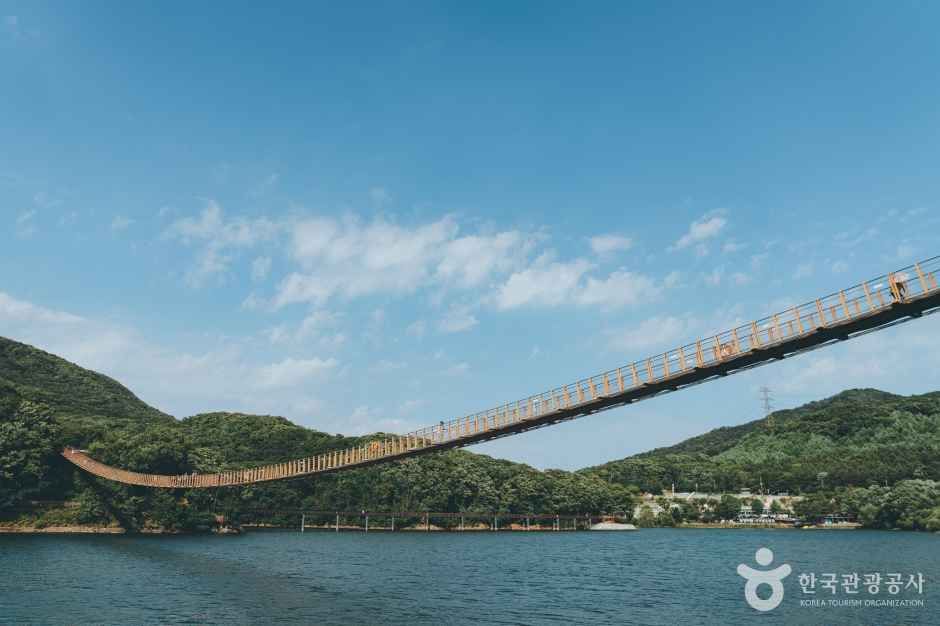
Majang Lake is a scenic destination in Paju with a lakeside walking environment and a suspension bridge.
The bridge provides views of the lake and surrounding hills. Visitors can enjoy a short outdoor excursion away from the city’s cultural and historical attractions.
It is a useful choice for travelers who want nature, photography, and a relaxed walk.
What to do
- Walk across the suspension bridge
- Enjoy lake and mountain views
- Take photographs of the surrounding landscape
- Explore nearby walking areas
Travel tip: Weather and site conditions may affect access. Wear comfortable shoes and check current operating information before visiting.
Food to Try in Paju
Paju is known for local ingredients and restaurants serving Korean meals.
Useful food options include:
- Jangdan soybean dishes: Paju’s Jangdan soybeans are associated with local tofu and soybean-based foods.
- Korean set meals: Rice, soup, vegetables, and several side dishes served together.
- Grilled Korean meat: A common option near major tourist areas.
- Noodles and market snacks: Convenient choices for a casual meal.
- Local cafés: Particularly useful when visiting Heyri Art Village or Paju Book City.
Food options are spread across the city. If visiting a rural attraction or the observatory, plan your meal and transportation in advance.
How to Get Around Paju
Paju is a large city, and its attractions are spread across different areas. Public transportation is available, but travel between sites may take considerable time.
From Seoul
- Train: Regional rail services connect Seoul with parts of Paju, including the Munsan area.
- Bus: Local and intercity buses serve major attractions and commercial districts.
- Taxi: Useful for connecting attractions that are not close to railway stations or bus stops.
- Guided tour: A practical option for visitors planning to see restricted DMZ-related sites.
Getting Between Attractions
Imjingak, Odusan Unification Observatory, Heyri Art Village, Paju Book City, and Majang Lake are located in different parts of Paju.
For a day trip, choose attractions within one area or allow enough time for transfers.
Travel tip: Check the return bus or train schedule before visiting attractions outside central areas. Some locations are easier to reach by taxi or organized tour.
How Much Time Do You Need?
One day: Choose one main theme. Visit Imjingak and nearby peace-related attractions, or spend the day exploring Heyri Art Village and Paju Book City.
Two days: Combine historical attractions with art, book culture, and nature. Staying overnight can make travel between distant areas more comfortable.
For DMZ-related travel: Allow extra time for tour procedures, transportation, and possible security-related changes.
Why Visit Paju?
Paju offers a combination of modern Korean history, peace-related attractions, contemporary art, book culture, and natural scenery.
It is a useful destination for travelers who want to explore beyond Seoul and understand more about Korea’s division while also enjoying creative cultural spaces and outdoor activities.
Whether you are interested in history, architecture, books, or nature, Paju offers several different experiences within Gyeonggi-do.
Before visiting, check current opening hours, tour availability, transportation schedules, and access restrictions. DMZ-related programs may change according to security conditions.