The Buk-gu Busan Travel Guide introduces a quieter side of northern Busan, where riverside walking paths, traditional markets, forest gardens, and mountain temples offer a different experience from the city’s famous beaches. Visit Buk-gu for relaxed outdoor activities, local food, and scenic views along the Nakdong River.
1. Hwamyeong Ecological Park
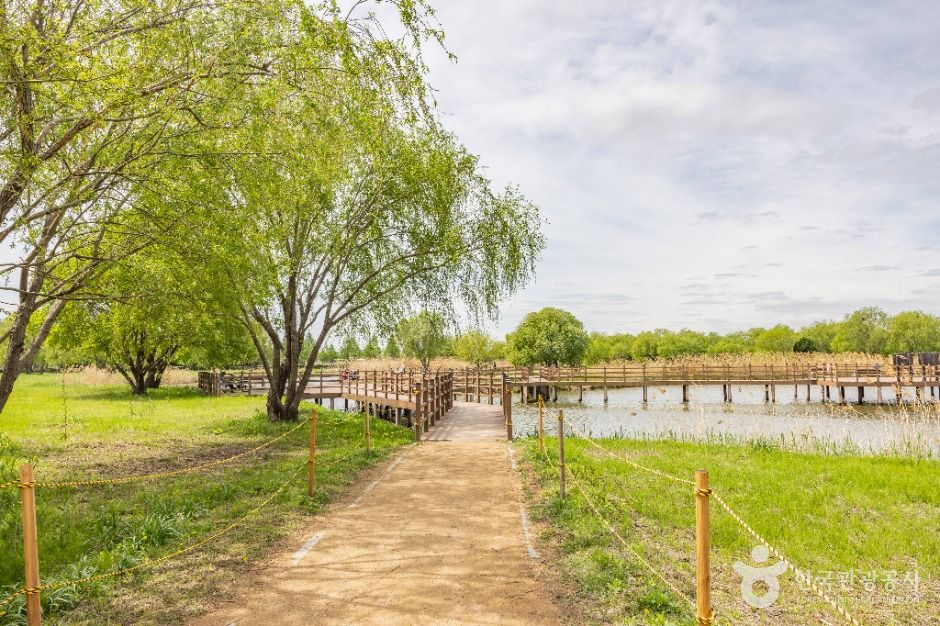
Hwamyeong Ecological Park stretches along the Nakdong River and is a popular place for walking, cycling, and relaxing outdoors. The large riverside park has open green spaces, wetlands, walking paths, and seasonal flower areas.
Rent a bicycle when available or choose a short walk beside the river. The park is especially pleasant in mild weather, when visitors can enjoy the open landscape and views of the surrounding bridges.
Getting there: Take Busan Metro Line 2 to Hwamyeong Station and walk approximately 10 minutes toward the park’s playground and bicycle-rental area. Other entrances may be closer to different parts of the park.
2. Gupo Market
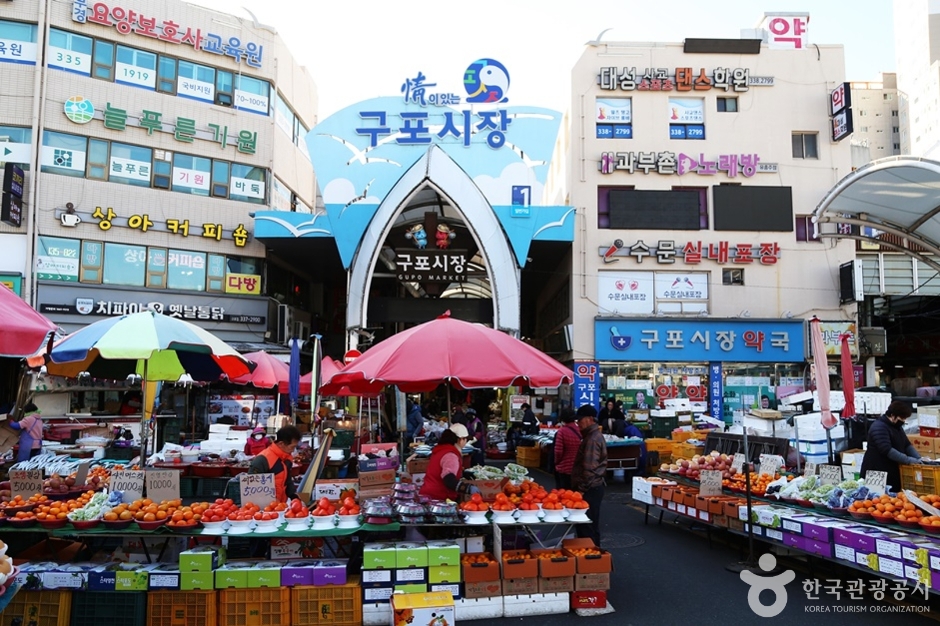
Gupo Market is a long-established traditional market where visitors can experience everyday shopping and local food culture. Stalls sell fresh produce, seafood, ingredients, household goods, and ready-to-eat snacks.
Walk through the market lanes, try a simple Korean market meal, and look for seasonal ingredients. It is a useful stop for travelers who want to see a working neighborhood market rather than a shopping area designed mainly for tourists.
Getting there: Deokcheon Station, served by Busan Metro Lines 2 and 3, is a convenient starting point. Follow local signs or map directions to the market entrance.
Market tip: Individual shops have different opening hours. The traditional five-day market dates fall on days ending in 3 and 8, including the 3rd, 8th, 13th, 18th, 23rd, and 28th of the month. Check locally if you want to experience the busier market-day atmosphere.
3. Seokbulsa Temple
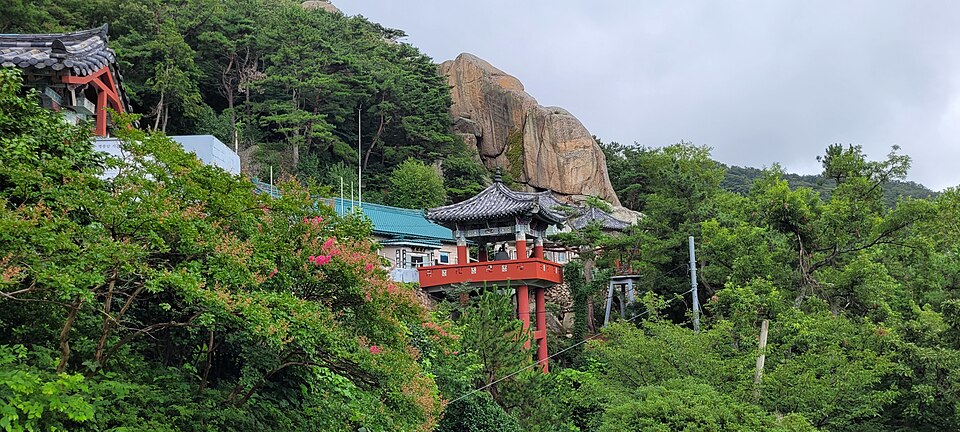

Seokbulsa is a mountain temple known for Buddhist reliefs carved directly into large rock faces. Its dramatic stone carvings and forest setting make it an unusual cultural stop in Busan.
The visit involves an uphill approach, so allow extra time and wear shoes with good grip. This is not the easiest attraction to reach by public transport, and the final approach may involve steep walking. Check your route before leaving and avoid attempting the climb in poor weather.
Getting there: Public transportation can take you toward the Mandeok area, but the remaining uphill route requires careful planning. A taxi may help with part of the journey, depending on road access.
4. Hwamyeong Arboretum
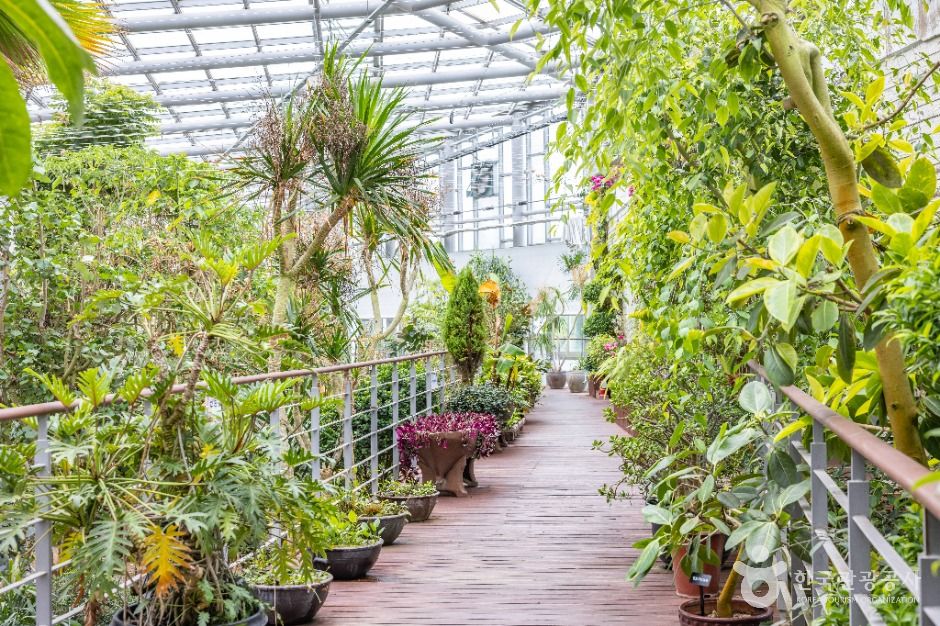
Hwamyeong Arboretum offers a peaceful forest environment with walking paths, planted gardens, greenhouses, and places to pause among the trees. It is a good option for visitors who prefer a slower outdoor experience rather than a long mountain hike.
The arboretum is particularly appealing in spring and autumn, although seasonal scenery varies. Plan enough time to explore the paths without rushing.
Getting there: From Hwamyeong Station on Metro Line 2, use Exit 6 and transfer to local village bus Geumjeong-gu 1 toward Hwamyeong Arboretum. Check the latest service and operating hours before traveling.
5. Golden Sunset Bridge
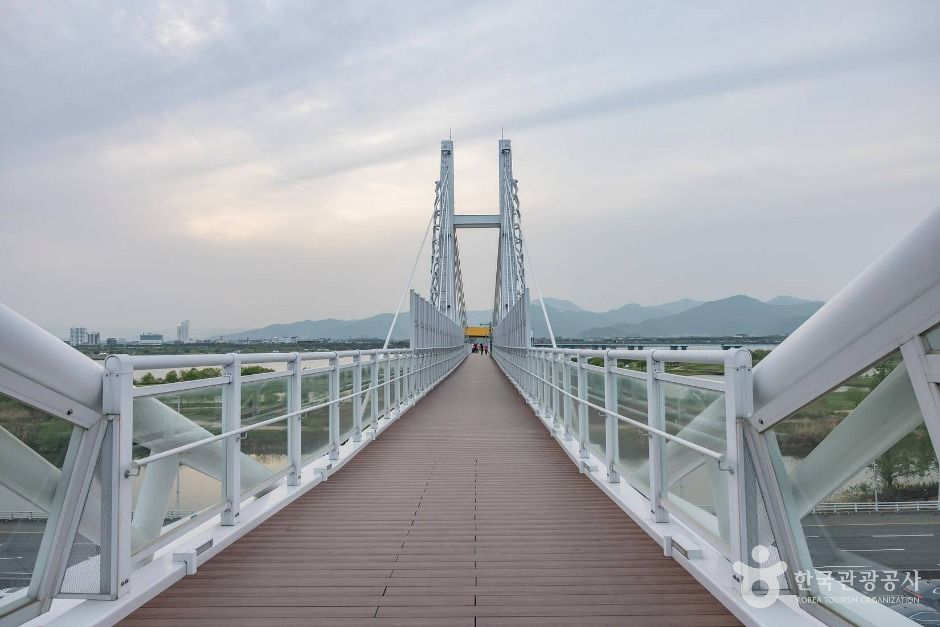
Golden Sunset Bridge is a pedestrian bridge connecting the Gupo area with the riverside park around Hwamyeong. It provides elevated views of the Nakdong River, nearby railway lines, and the surrounding urban landscape.
Consider visiting in the late afternoon or around sunset for changing colors over the river. It can be combined with a walk through Hwamyeong Ecological Park, making it a practical addition to a relaxed outdoor itinerary.
Getting there: Deokcheon Station, served by Metro Lines 2 and 3, is a useful access point for the Gupo side. Follow local directions to the pedestrian bridge.
Food to Try
- Traditional market snacks: Browse Gupo Market for freshly prepared Korean snacks and simple local meals.
- Guksu (Korean noodles): Look for noodle dishes at local restaurants and market eateries for an easy, filling meal.
- Korean street food: Depending on the stalls available, you may find dumplings, savory pancakes, rice cakes, and other popular snacks.
Food choices and prices vary by stall. Carry some Korean won for small purchases, as payment methods may differ between vendors.
How to Get Around Buk-gu
Busan Metro Lines 2 and 3 connect important parts of Buk-gu, including Hwamyeong and Deokcheon. Local buses provide access to destinations farther from the subway, including the arboretum area.
The attractions in this guide are spread across the district, and Seokbulsa requires additional uphill travel. Plan each stop by location rather than assuming all attractions are within walking distance. Use a current map app to confirm exits, bus routes, and walking directions.
How Much Time Do You Need?
- Half a day: Explore Gupo Market and walk around the nearby neighborhood.
- Half a day outdoors: Visit Hwamyeong Ecological Park and Golden Sunset Bridge.
- A full day: Combine the riverside park with Hwamyeong Arboretum, or plan a separate trip to Seokbulsa Temple.
Trying to visit every attraction in one day may involve unnecessary travel between different parts of Buk-gu. Choose stops that match your interests and available time.
Why Visit Buk-gu?
Buk-gu offers a more local and nature-focused side of Busan. Gupo Market introduces everyday Korean market culture, Hwamyeong Ecological Park provides open riverside paths, and Seokbulsa Temple offers a distinctive mountain setting with impressive rock carvings.
It is a worthwhile addition to a Busan itinerary for travelers who want to explore beyond the coast.
Before visiting, check current arboretum hours, local bus schedules, and the walking conditions for mountain destinations.