The Sasang-gu Busan Travel Guide introduces a quieter side of western Busan, where riverside parks, forested mountains, historic temples, and neighborhood museums offer a different experience from the city’s famous beaches. Sasang-gu is also a useful transport hub for travelers moving between Gimhae International Airport and other parts of Busan.
1. Samnak Ecological Park
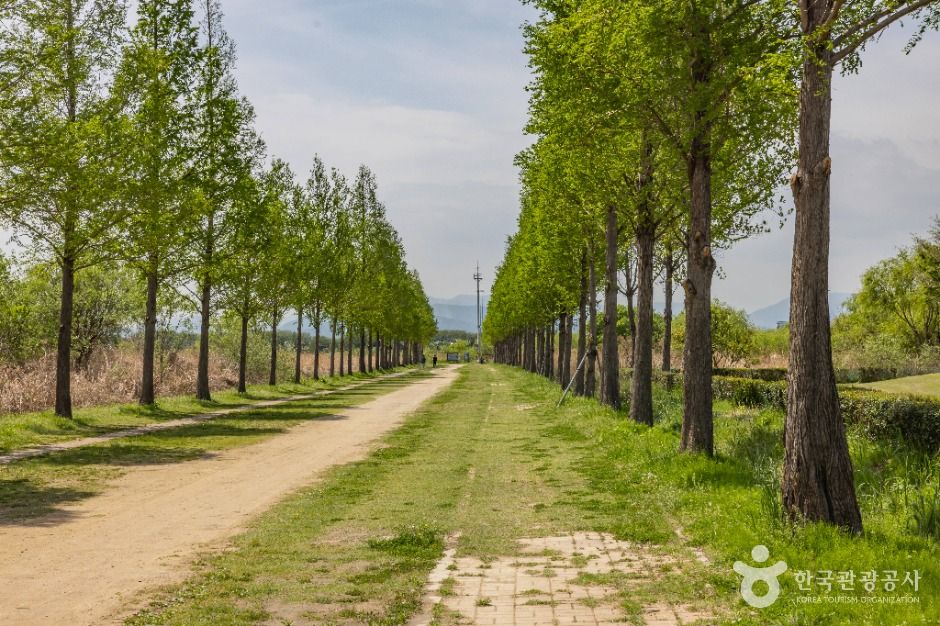
Samnak Ecological Park stretches along the Nakdong River and is one of Busan’s largest riverside ecological parks. Its open lawns, wetlands, walking paths, cycling routes, and seasonal flower fields make it a popular place for outdoor activities.
Visit for a relaxed riverside walk, a bicycle ride, or seasonal scenery. Spring flowers and autumn grasses can be attractive, but bloom conditions vary from year to year. The park is large, so choose an entrance near the section you want to explore.
Getting there: Take the Busan–Gimhae Light Rail Transit to Gwaebeop Renecite Station and use Exit 1. Walk toward the riverside park; allow around 15 minutes or more depending on your destination within the park.
2. Unsusa Temple
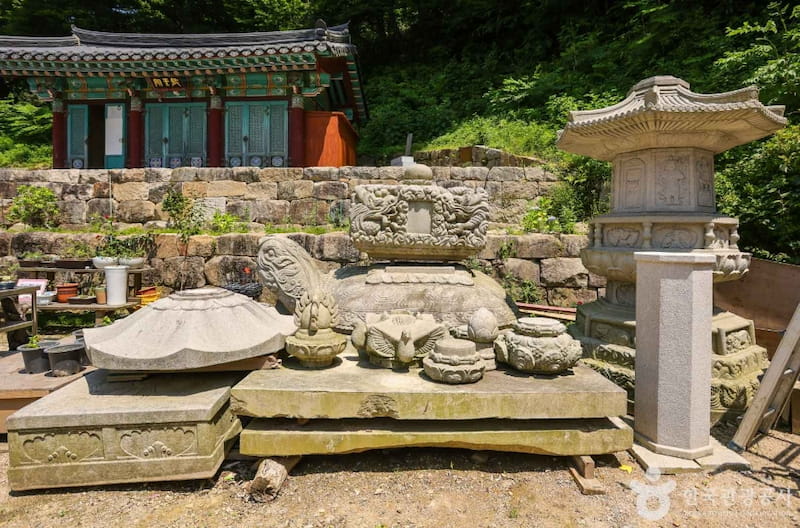
Unsusa Temple sits on the wooded slopes of Baegyangsan Mountain. The temple is known for its traditional architecture, peaceful forest setting, and views toward the Nakdong River. Its main hall is an important cultural heritage site.
Explore the temple courtyard and surrounding walking paths, keeping noise low because this is an active Buddhist place of worship. The uphill approach means this stop requires more time and effort than a typical city attraction.
Getting there: From Mora Station on Busan Metro Line 2, take local bus 148 toward the temple entrance, then expect a substantial uphill walk. Confirm the current bus route and walking conditions before setting out.
3. Sasang Museum of Everyday Life
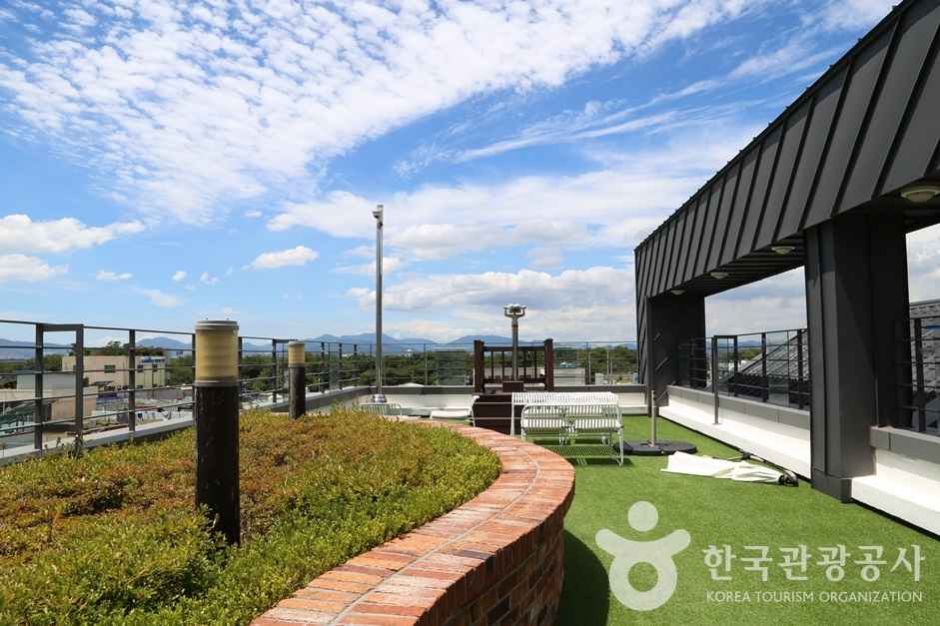
The Sasang Museum of Everyday Life introduces the area’s local history through photographs, donated objects, and displays about residents’ everyday lives. It offers a useful indoor stop for travelers interested in how neighborhoods change over time.
Unlike a large national museum, its focus is the community and its memories. Allow time to explore the exhibitions and learn more about the people who shaped this part of Busan.
Getting there: Deokpo Station on Busan Metro Line 2 is a convenient starting point. From Exit 1, walk toward Deokpo Market and Samnakcheon Stream, following a current map for the final route.
4. Baegyangsan Mountain
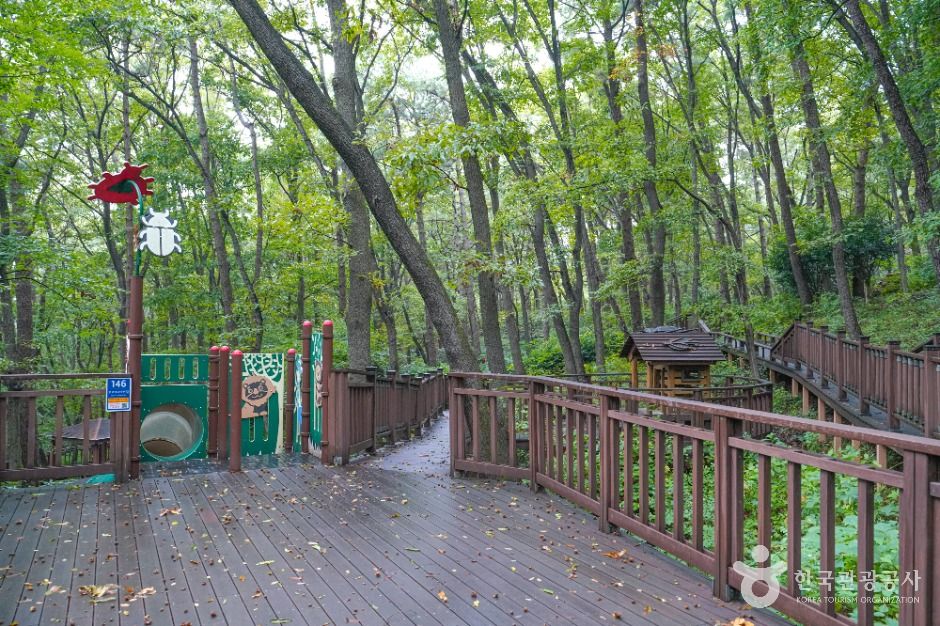
Baegyangsan Mountain offers forest trails, shaded paths, and elevated views across Sasang-gu and the Nakdong River area. It is a good choice for travelers who want to add a short hike to a western Busan itinerary.
Trail difficulty and walking time vary by route. Wear suitable shoes, carry drinking water, and allow extra time if you plan to visit Unsusa Temple along the way.
Getting there: Access depends on the trailhead you choose. Check local bus connections and the route on a map before starting, especially if you plan to finish at a different point from where you began.
5. Samnakcheon Stream and Neighborhood Walks
Samnakcheon Stream and the surrounding neighborhood paths provide a more everyday view of Sasang. Walk beside the water, explore nearby streets, and observe the local cafés and small businesses around the residential area.
This is an easy addition to a visit to the Sasang Museum of Everyday Life or Deokpo Market. It works best as a relaxed neighborhood walk rather than a destination requiring a separate full-day trip.
Getting there: Deokpo Station on Metro Line 2 provides access to the nearby neighborhood. Walking distances depend on the section of the stream you want to visit.
Food to Try
- Korean market snacks: Look for freshly prepared snacks and simple meals around Deokpo Market and nearby neighborhood shopping streets.
- Guksu (Korean noodles): A practical option for a quick, filling meal at a local restaurant.
- Everyday Korean meals: Small neighborhood restaurants may serve rice dishes, soups, stews, and side dishes.
Sasang is more of a local residential and transport area than a concentrated tourist dining district. Choose restaurants near the places you visit, and check menus and opening hours before traveling.
How to Get Around Sasang-gu
Sasang Station connects Busan Metro Line 2 with the Busan–Gimhae Light Rail Transit, which serves Gimhae International Airport. This makes the area useful for airport transfers and journeys to western Busan.
Metro Line 2 also serves Mora and Deokpo, which are useful for reaching Unsusa Temple and the Sasang Museum of Everyday Life. Samnak Ecological Park is accessible from Gwaebeop Renecite Station, although the park’s size means that walking distances vary by entrance.
Check the exact destination before choosing an exit or bus. The temple and mountain trails require more uphill walking than the riverside park and neighborhood attractions.
How Much Time Do You Need?
- A few hours: Walk through part of Samnak Ecological Park or explore the neighborhood around Deokpo Market.
- Half a day: Combine the Sasang Museum of Everyday Life with a neighborhood walk.
- A full day outdoors: Plan a longer Baegyangsan hike and a visit to Unsusa Temple.
If Sasang is only a transfer point on your itinerary, Samnak Ecological Park is a good option when you have enough time to leave the station area and return comfortably.
Why Visit Sasang-gu?
Sasang-gu reveals a different side of Busan through riverside nature, forested walking trails, Buddhist heritage, and local neighborhood history. It is especially useful for travelers who enjoy outdoor activities or want to explore beyond the city’s best-known coastal districts.
Before visiting, check current bus routes, museum opening hours, and mountain trail conditions.