The Gangseo-gu Busan Travel Guide explores the western side of Busan, where wide riverside parks, wetlands, quiet island villages, and coastal hiking trails offer a different travel experience. Gangseo-gu is less urbanized than central Busan, making it a good choice for visitors who enjoy nature, cycling, scenic drives, and local history.
1. Daejeo Ecological Park
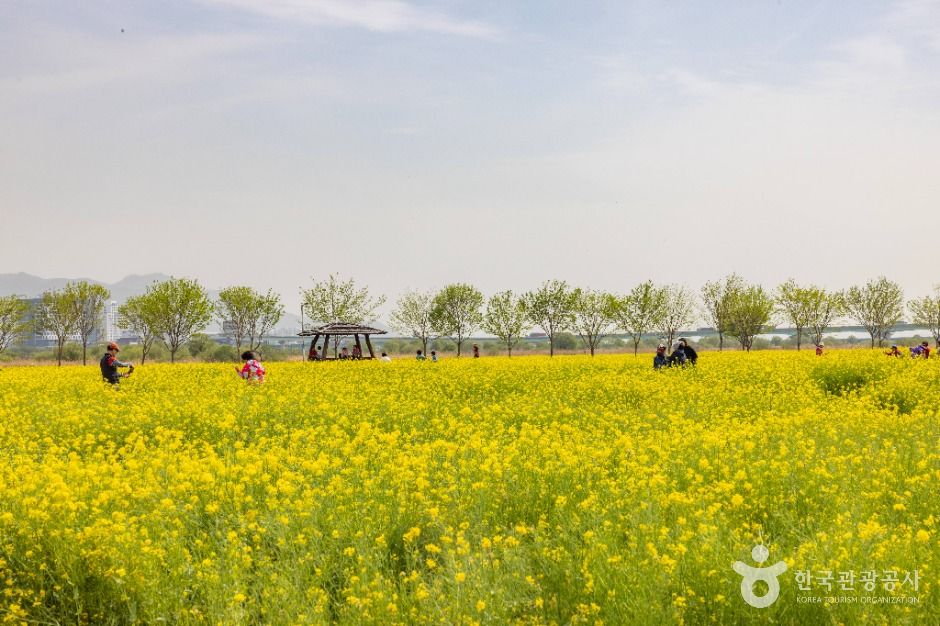
Daejeo Ecological Park stretches along the Nakdong River and features wetlands, waterways, grasslands, and open cycling paths. In spring, its large canola flower fields become one of the area’s most popular attractions.
- Best for: Spring flowers, cycling, riverside walks, and photography
- Nearest station: Gangseo-gu Office Station, Busan Metro Line 3
- Admission: Free
- Suggested time: 1–2 hours
The canola flowers usually bloom in spring, with a seasonal flower festival held around April. Flowering dates vary each year, so check the seasonal schedule before visiting.
2. Maekdo Ecological Park
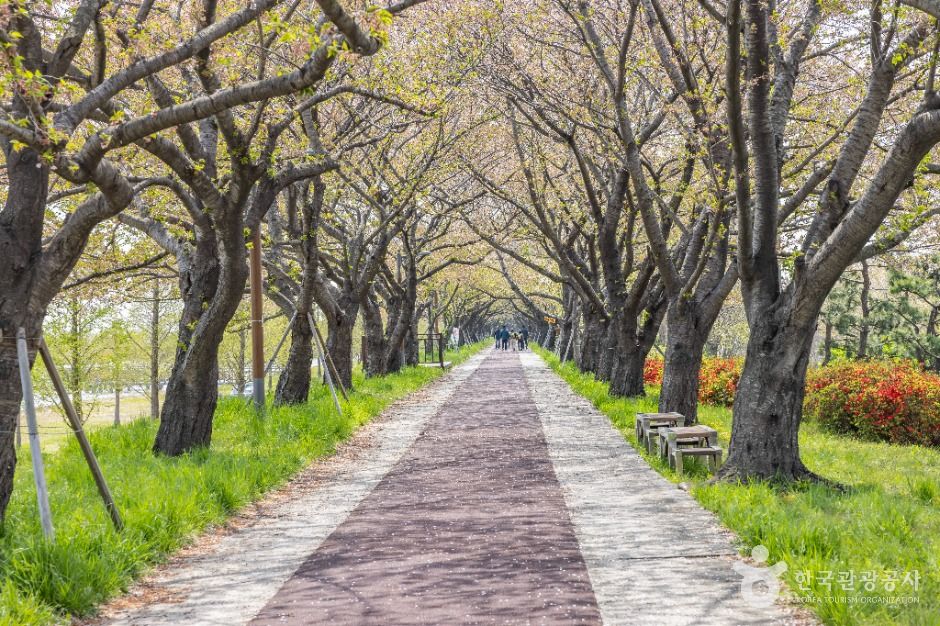
Maekdo Ecological Park is a spacious natural area along the Nakdong River. It is known for wetlands, lotus ponds, migratory bird habitats, and peaceful walking routes.
- Best for: Nature walks, birdwatching, cycling, and seasonal flowers
- Nearest access: Local bus connections from the Daejeo and Seobusan distribution area
- Admission: Free
- Suggested time: 1–1.5 hours
The park is especially attractive during lotus flowering season and spring cherry blossom season. Bring binoculars if you enjoy observing birds, and avoid disturbing wildlife.
3. Gadeokdo Island and Yeondaebong Peak
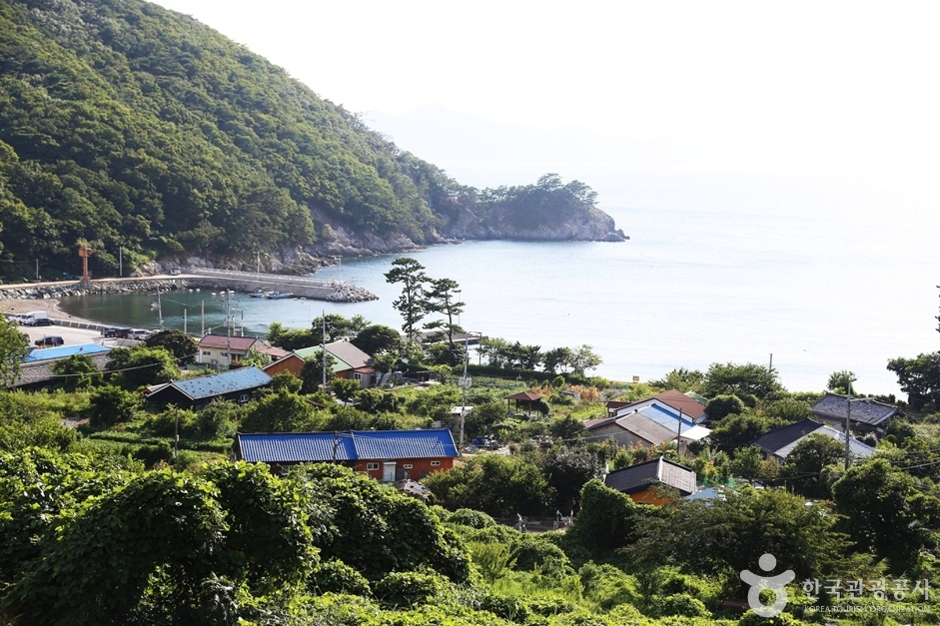
Gadeokdo is Busan’s largest island and offers a more rugged landscape than the city’s popular beaches. Its coastal roads, fishing villages, forest paths, and mountain scenery make it a rewarding destination for a day trip.
Yeondaebong Peak is a popular hiking destination on the island, with views of the surrounding sea and coastline.
- Best for: Hiking, coastal scenery, and photography
- Getting there: Take Busan Metro Line 1 to Hadan Station, then transfer to a local bus toward Gadeokdo
- Suggested time: 3–5 hours, depending on your route
Some trails involve steep sections, so wear proper walking shoes and check weather conditions before setting out. Allow extra time for bus connections.
4. Oeyangpo Port and Daehang-dong
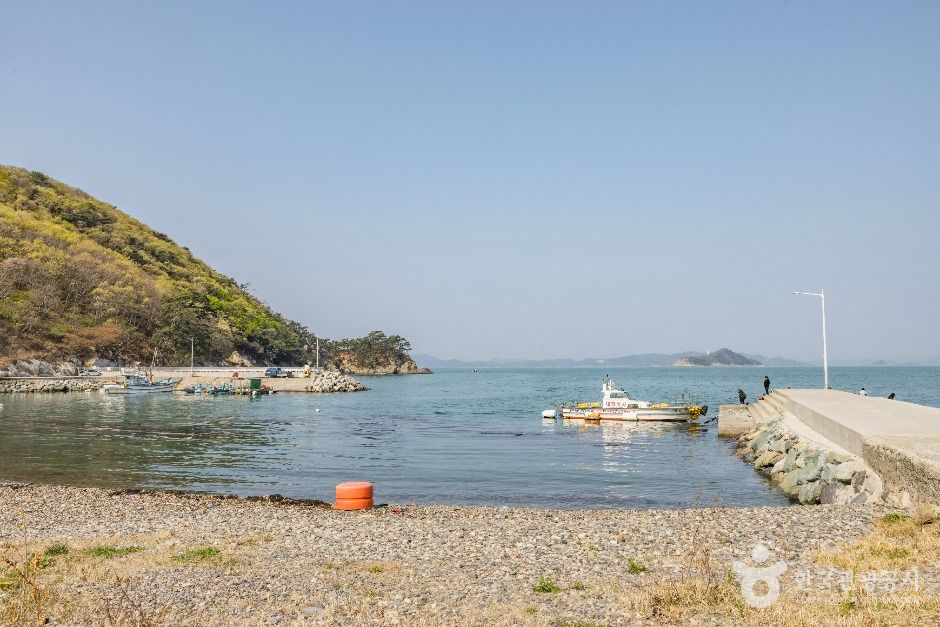
Oeyangpo Port and nearby Daehang-dong preserve the atmosphere of Gadeokdo’s traditional coastal villages. The area also contains historical traces from the Japanese occupation period, including wartime military structures and tunnels.
- Best for: Local village scenery, coastal history, and quiet walks
- Getting there: Use local buses from Hadan Station toward Gadeokdo
- Suggested time: 1–2 hours
Some historic sites are located near residential areas. Keep noise low, respect private property, and follow signs when visiting historical structures.
5. Gadeokdo Lighthouse
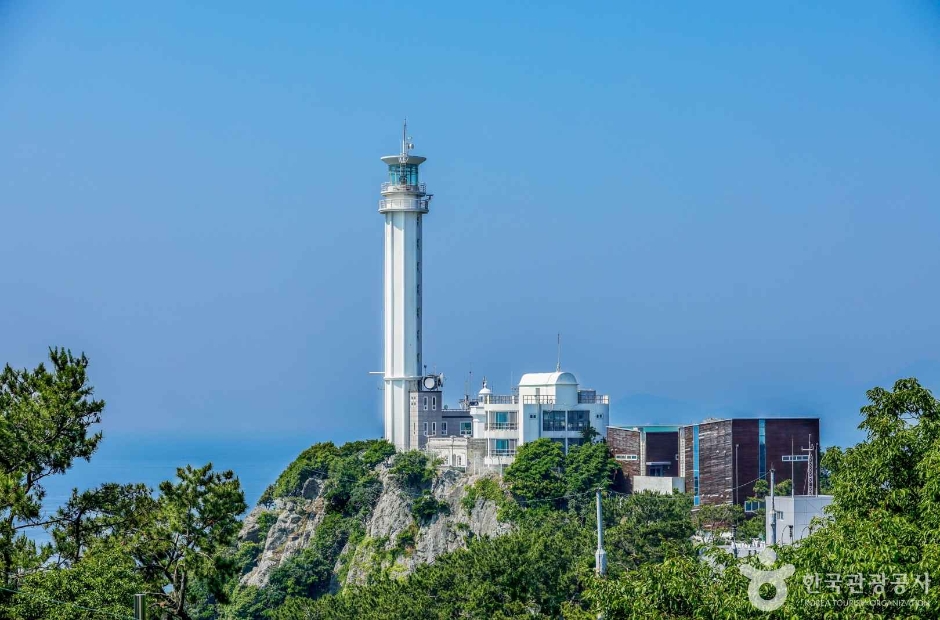
The old Gadeokdo Lighthouse was built in 1909 and is notable for its distinctive European-style architecture. It is an important part of the island’s maritime history.
However, the lighthouse is located within a restricted naval area. Ordinary visitors cannot simply walk in; advance authorization and registration are required.
- Best for: Maritime history and historic architecture
- Access: Prior approval is required
- Tip: Do not include it in a regular sightseeing route unless your visit has been approved.
The lighthouse is worth knowing about, but the island’s public coastal areas and hiking routes are more practical options for most travelers.
Food to Try
Gangseo-gu has seafood restaurants, local eateries, and neighborhood markets, particularly around its coastal villages and Myeongji area.
- Grilled seafood: Fresh fish and shellfish prepared over a grill.
- Hoe (Korean-style raw fish): Sliced raw fish served with vegetables and dipping sauces.
- Jangeo-gui: Grilled eel, a popular Korean seafood dish.
- Seasonal local seafood: Ask restaurants about the day’s catch and seasonal specialties.
Restaurant menus and prices vary. Check the menu before ordering, especially if you have dietary restrictions.
How to Get Around Gangseo-gu
Gangseo-gu covers a large area, so public transport connections require some planning. The metro is useful for reaching the northern part of the district, while buses are important for reaching parks and Gadeokdo.
- Daejeo Ecological Park: Busan Metro Line 3 to Gangseo-gu Office Station, followed by a walk toward the park.
- Maekdo Ecological Park: Use local bus connections, including Gangseo-gu village bus routes.
- Gadeokdo Island: From Hadan Station on Metro Line 1, transfer to a local bus toward the island.
- Oeyangpo and Daehang-dong: Continue by local bus from the mainland connection toward Gadeokdo.
Check the return bus schedule before visiting Gadeokdo, especially if you plan to hike or explore remote villages. Taxi availability may be limited in less populated areas.
How Much Time Do You Need?
- Half day: Visit Daejeo Ecological Park or Maekdo Ecological Park.
- One day: Explore Gadeokdo Island, including a village walk or a hiking route.
- Two days: Combine the riverside ecological parks with a separate day exploring Gadeokdo.
Because the attractions are spread across a large district, it is better to explore the riverside parks and the island on separate trips.
Why Visit Gangseo-gu?
Gangseo-gu offers a quieter and more spacious side of Busan. From the spring flower fields of Daejeo to the wetlands of Maekdo and the coastal villages of Gadeokdo, the district is ideal for travelers who enjoy nature and outdoor exploration.
Before visiting, check seasonal flower conditions, local bus schedules, hiking trail conditions, and access restrictions at historical or military facilities.