Gijang-gun Busan Travel Guide introduces a quieter side of Busan, where coastal temples, traditional fishing villages, forest trails, and seafood restaurants create a different experience from the city’s busy beaches and downtown areas. Located in northeastern Busan, Gijang is a good destination for travelers who want to explore the coastline and enjoy local food.
The area is spread across a large region, so visiting several attractions usually requires some planning. The Donghae Line railway and local buses provide access to major areas, while taxis can be useful for reaching more remote coastal spots.
1. Haedong Yonggungsa Temple
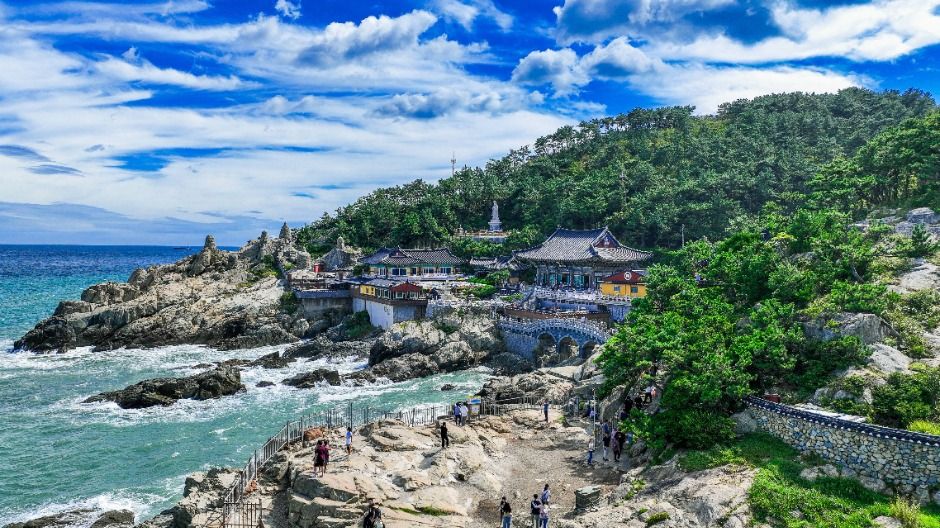
Haedong Yonggungsa Temple is one of Gijang’s best-known attractions. Unlike many traditional Korean temples built in the mountains, this temple stands beside the sea, with its buildings and stone stairways overlooking the rocky coastline.
Originally established in 1376, the temple is especially popular for its ocean views and sunrise scenery. Visitors can walk through the temple grounds, admire traditional architecture, and enjoy views of waves breaking against the rocks.
- Best for: Temple architecture, coastal scenery, and photography
- Location: 86, Yonggung-gil, Gijang-eup
- Getting there: From OSIRIA Station on the Donghae Line, take a connecting local bus toward Haedong Yonggungsa Temple.
- Tip: The stone steps and pathways can be crowded, especially on weekends and public holidays.
2. Ahopsan Forest
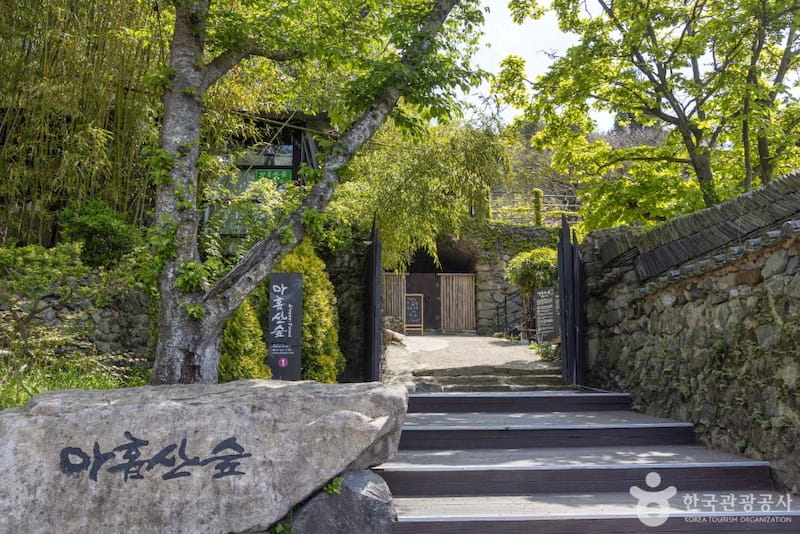
Ahopsan Forest is a peaceful woodland area known for its tall bamboo groves, old trees, and quiet walking paths. It offers a refreshing change from Busan’s coastal attractions.
The forest has been preserved by a local family for generations and includes sections of mature woodland. Its bamboo paths have also appeared in Korean films and television productions.
- Best for: Nature walks, bamboo forest scenery, and photography
- Location: 37-1, Midong-gil, Cheolma-myeon
- Getting there: Public transportation is limited. A taxi from Gijang Station or another nearby transport hub may be more convenient.
- Tip: Check opening days, admission fees, and last-entry times before visiting.
3. Jukseong Dream Open Set
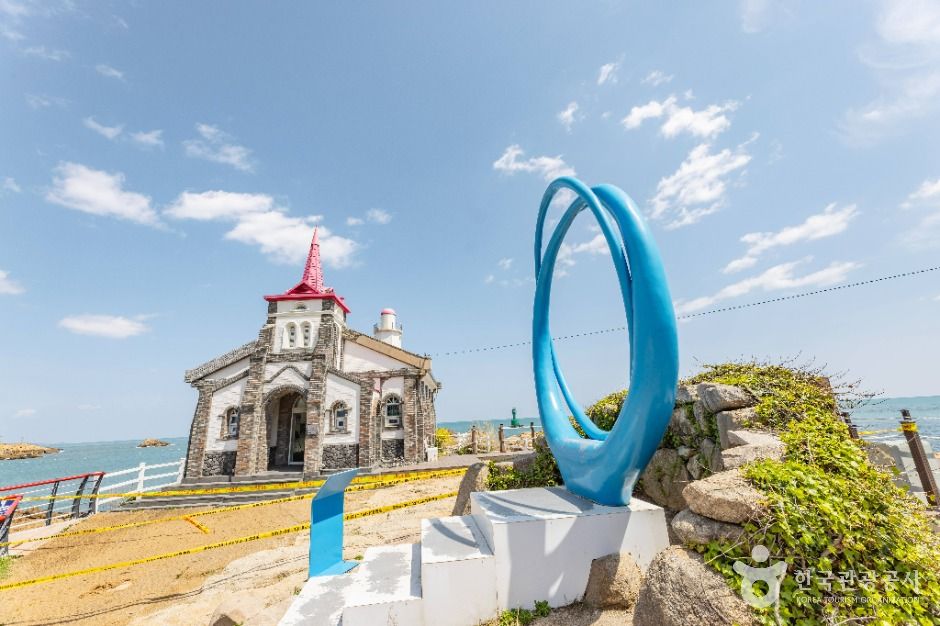
Jukseong Dream Open Set, often called Jukseong Church, is a small coastal landmark overlooking the sea in Duho Village.
Despite its appearance, it is not an active Catholic church. The building was constructed as a filming location for a Korean television drama in 2009 and later became a popular photography spot.
The red-roofed structure, blue sea, and nearby fishing village create a picturesque coastal scene. Visitors can also walk around the harbor and enjoy the quieter atmosphere of Jukseong-ri.
- Best for: Coastal photography and a short village walk
- Location: 134-7, Jukseong-ri, Gijang-eup
- Getting there: From Gijang Station on the Donghae Line, take a local village bus toward Jukseong Dream Set.
- Tip: This is a small outdoor attraction. Be considerate of residents and avoid blocking fishing or residential access.
4. Daebyeon Port
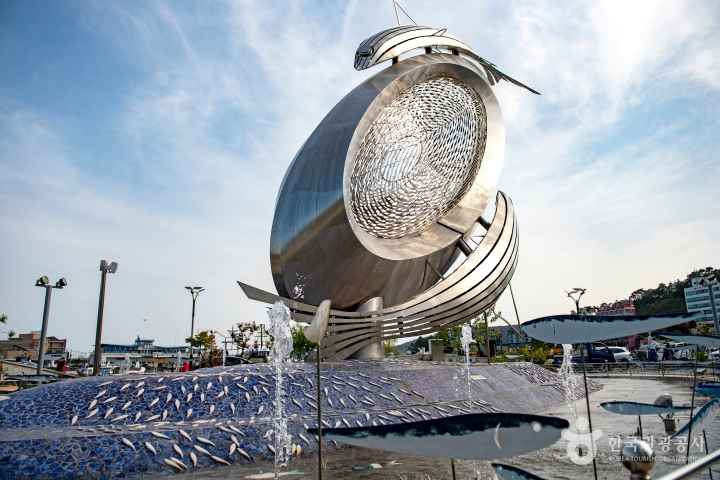
Daebyeon Port is a traditional fishing harbor where visitors can experience Gijang’s coastal food culture and everyday fishing-village atmosphere.
The port is particularly associated with anchovies, which are an important local specialty. Depending on the season, visitors may find fresh seafood, grilled fish, and restaurants serving local dishes.
The harbor is also a convenient place to enjoy a coastal walk and observe fishing boats returning to shore.
- Best for: Seafood, fishing-village scenery, and local culture
- Location: Daebyeon-ri, Gijang-eup
- Getting there: Local buses connect the Gijang area with Daebyeon Port. Check the route and timetable before departure.
- Tip: Seafood prices and available dishes vary by season and restaurant.
5. Ilgwang Beach
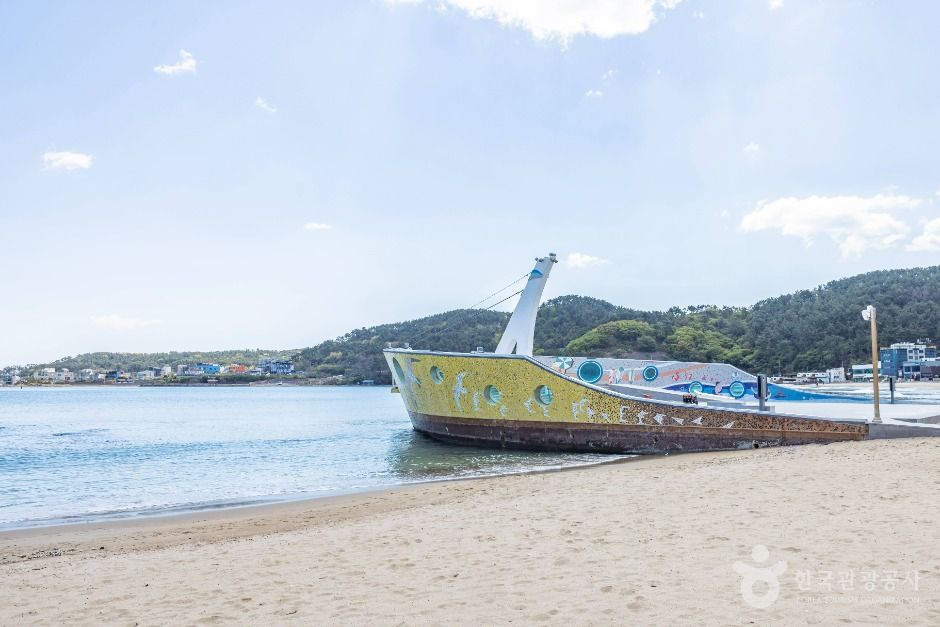
Ilgwang Beach is a relaxed coastal destination with a wide sandy shoreline and a quieter atmosphere than some of Busan’s more famous beaches.
It is suitable for a seaside walk, a casual break, or enjoying the ocean scenery. Small cafés and local restaurants in the surrounding area make it a pleasant stop during a Gijang coastal trip.
- Best for: Beach walks, relaxing, and coastal views
- Location: Ilgwang-eup, Gijang-gun
- Getting there: Take the Donghae Line to Ilgwang Station and continue toward the beach on foot or by local transport.
- Tip: Swimming conditions and beach facilities vary by season.
Food to Try in Gijang
Gijang is known for seafood and several local specialties. These are good choices when exploring its fishing villages and traditional food areas.
- Gijang Anchovies: Anchovies are a well-known local specialty, often served as side dishes or used in Korean cooking.
- Seaweed and Sea Kelp: Gijang produces seaweed and kelp that are commonly used in soups, side dishes, and rice-based meals.
- Abalone Porridge: A popular seafood dish made with abalone and rice, especially around coastal villages.
- Fresh Seafood and Raw Fish: Coastal restaurants serve seasonal seafood, including fish and shellfish.
- Conger Eel: Grilled or prepared in spicy dishes, conger eel is another local seafood option.
For a more local dining experience, explore the seafood restaurants around Daebyeon Port and Yeonhwari.
How to Get Around Gijang-gun
Gijang is a large area, and its attractions are spread between coastal villages, beaches, forests, and the central town.
- Donghae Line: Useful stations include Gijang, Ilgwang, and OSIRIA. The line connects Gijang with other parts of eastern Busan.
- Local Buses: Buses connect railway stations with temples, beaches, ports, and residential areas. Some attractions have limited service.
- Taxi: A practical option for reaching places such as Ahopsan Forest and smaller coastal villages.
- Walking: Coastal paths around ports and beaches are enjoyable, but distances between major attractions can be considerable.
If you plan to visit several places in one day, check bus connections in advance and consider combining nearby attractions rather than crossing the entire county.
How Much Time Do You Need?
A half-day trip is enough to visit Haedong Yonggungsa Temple and explore the nearby coast.
For a more complete experience, allow one full day to combine the temple with Daebyeon Port, Jukseong Dream Open Set, or Ilgwang Beach.
Ahopsan Forest is better planned as a separate stop because it is located inland and requires additional travel time.
Why Visit Gijang-gun?
Gijang offers a different side of Busan, combining coastal temples, quiet fishing villages, forest landscapes, and fresh seafood. It is a good choice for travelers who want to explore beyond the city’s main tourist districts and experience a slower pace along the northeastern coast.
Before visiting, check current public transportation schedules, attraction opening hours, admission fees, and seasonal access conditions.