The Jeju City Travel Guide introduces the northern and western parts of Jeju Island, including its historic downtown, traditional markets, coastal beaches, and natural landscapes. Jeju City is the island’s main gateway, with Jeju International Airport and major transport connections.
Beyond the city center, Jeju-si covers a large area with very different travel experiences. You can explore local markets in the morning, visit historic sites in the afternoon, and enjoy the coastline before sunset.
Because attractions are spread across the region, it is helpful to plan your visits by area. This guide focuses on major places within Jeju City, excluding attractions in Seogwipo.
1. Dongmun Traditional Market
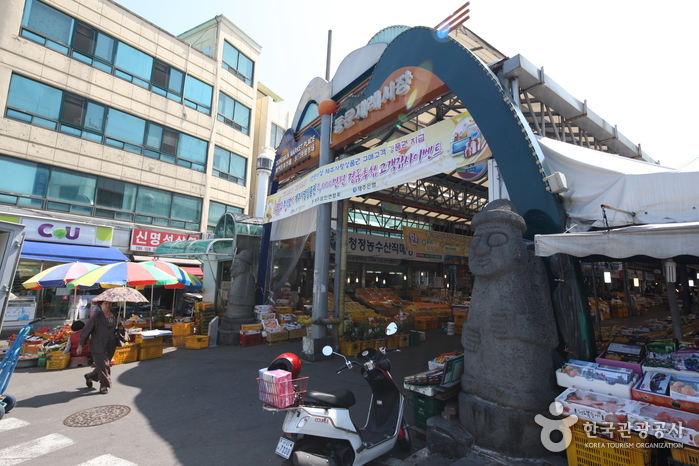
Dongmun Traditional Market is one of the best places to experience Jeju’s local food culture and everyday shopping. Located in the old downtown area, the market has sections selling fresh seafood, vegetables, local products, snacks, and souvenirs.
Visitors can try Jeju specialties such as black pork dishes, seafood snacks, and tangerine-based desserts. It is also a convenient place to buy local food products to take home.
- Best for: Local food, traditional shopping, and souvenirs
- Location: 20 Gwandeok-ro 14-gil, Jeju-si
- Getting there: Take a local bus toward the Dongmun Market area or walk from nearby downtown attractions.
- Tip: Some food stalls and market areas have different operating hours. Evening food stalls can be busier than daytime shops.
2. Jejumok-Gwana Government Office
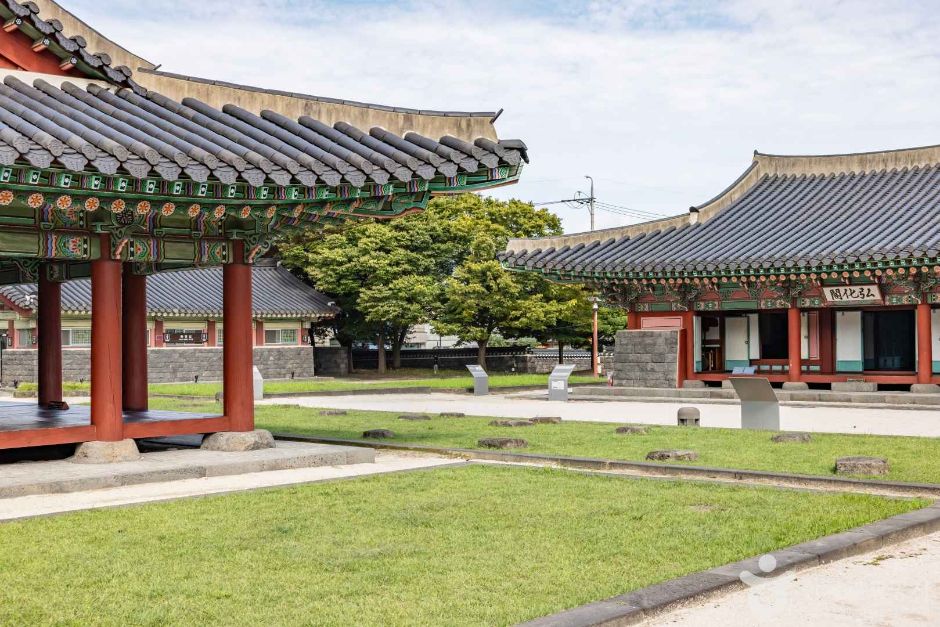
Jejumok-Gwana is a restored historic government complex that was once the administrative center of Jeju during the Joseon Dynasty.
The site offers a glimpse into how the island was governed in the past. Visitors can walk through traditional Korean buildings, courtyards, and exhibition areas while learning about Jeju’s history.
Its central location makes it easy to combine with Dongmun Market and other downtown attractions.
- Best for: Korean history, traditional architecture, and cultural sightseeing
- Location: 25 Gwandeok-ro, Jeju-si
- Getting there: Easily reached by local bus or on foot from Dongmun Market.
- Tip: Allow time to explore the buildings and exhibition spaces rather than treating it as a quick photo stop.
3. Yongduam Rock and Yongyeon Valley
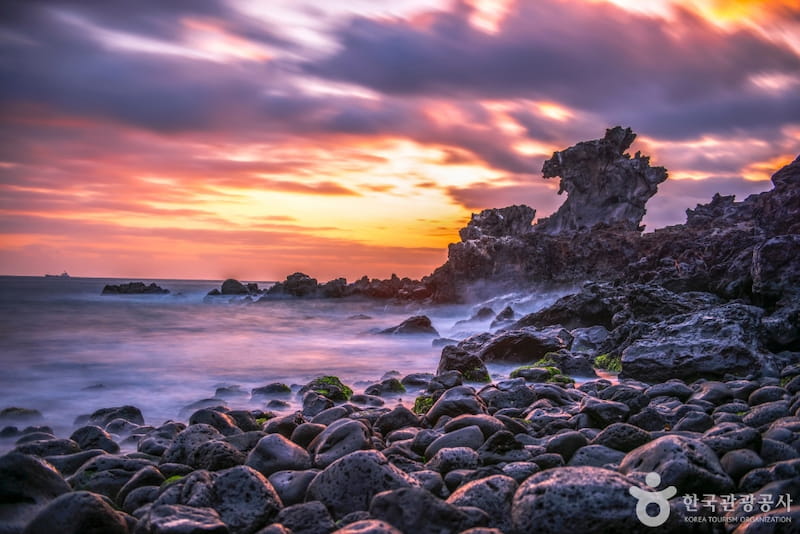
Yongduam Rock, also known as Dragon Head Rock, is a volcanic rock formation on Jeju’s northern coast. Its shape resembles a dragon rising from the sea, making it one of the city’s recognizable coastal landmarks.
Nearby, Yongyeon Valley features a narrow coastal gorge with clear water, rocky cliffs, and a pedestrian suspension bridge. The area is particularly pleasant for a short walk and evening views.
Both attractions are close to Jeju International Airport, making them convenient stops before departure or after arrival.
- Best for: Coastal scenery, photography, and short walks
- Location: Yongdam-dong, Jeju-si
- Getting there: Take a local bus toward Yongduam or Yongyeon, or use a taxi from Jeju Airport.
- Tip: Coastal rocks can be slippery, especially after rain or strong waves.
4. Hamdeok Beach
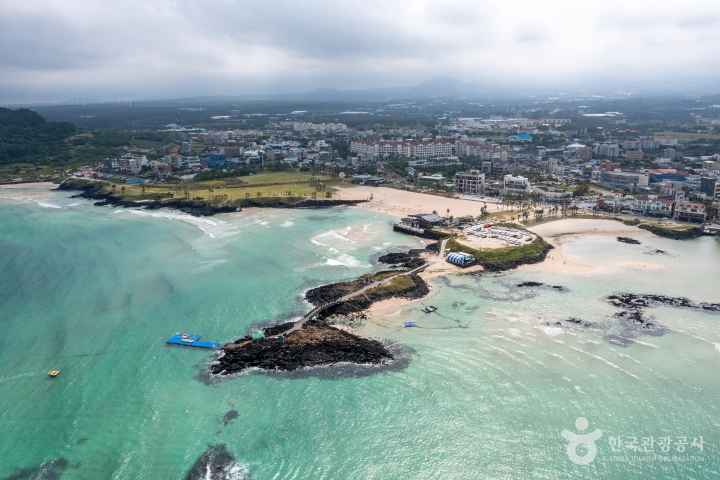
Hamdeok Beach is known for its clear turquoise water, pale sandy shoreline, and shallow coastal areas. It is one of the most popular beaches on Jeju’s northern coast.
The beach is suitable for swimming during the summer season, relaxing by the sea, and enjoying ocean views from nearby cafés. A coastal walking path and small surrounding areas provide additional places to explore.
- Best for: Swimming, beach walks, and ocean views
- Location: Hamdeok-ri, Jocheon-eup, Jeju-si
- Getting there: Take a bus from Jeju Intercity Bus Terminal toward Hamdeok Beach.
- Tip: Swimming conditions and beach facilities depend on the season and weather.
5. Hyeopjae Beach and Hallim Park
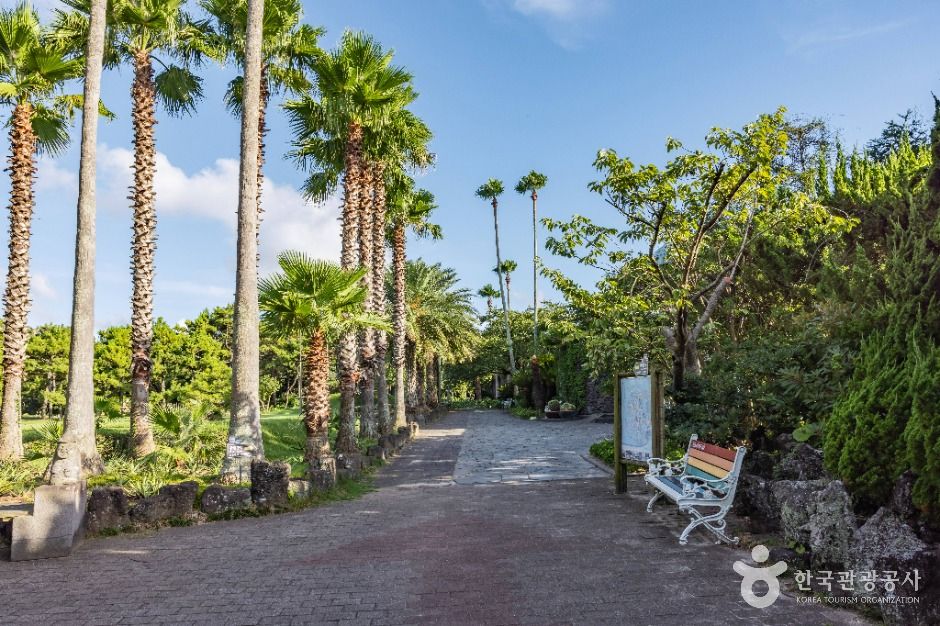
Hyeopjae Beach is a scenic beach on Jeju’s western coast. Its light-colored sand, clear water, and view of Biyangdo Island create one of the region’s most recognizable coastal landscapes.
Nearby Hallim Park combines landscaped gardens, tropical plants, traditional features, and natural cave attractions. It is a good option for visitors who want more than a beach visit.
These attractions can be combined into a half-day or full-day trip around western Jeju.
- Best for: Beach scenery, gardens, and family-friendly sightseeing
- Location: Hallim-eup, Jeju-si
- Getting there: Take an intercity bus toward Hallim or Hyeopjae and continue on foot or by local transport.
- Tip: Check Hallim Park’s admission fees and operating hours before visiting.
6. Jeju 4·3 Peace Park
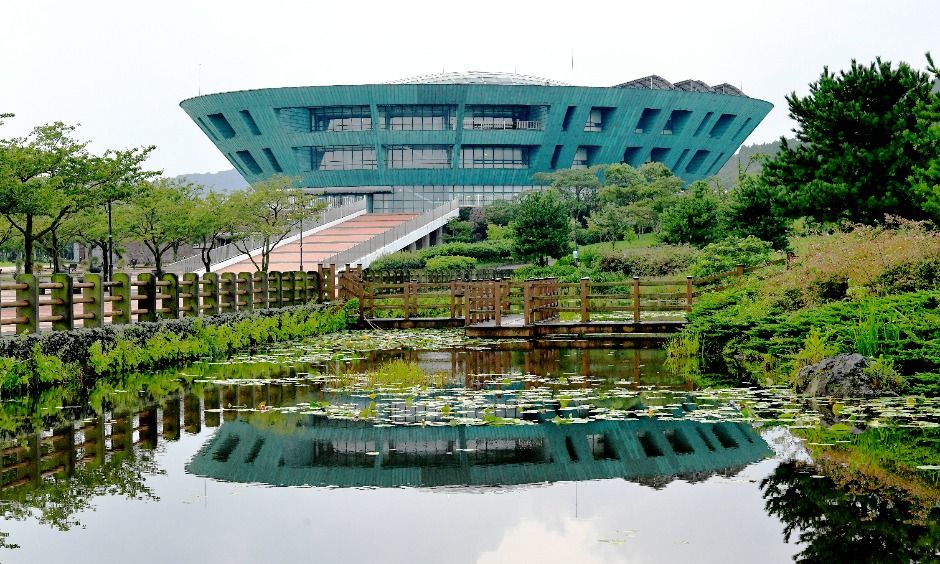
Jeju 4·3 Peace Park is an important historical and memorial site dedicated to remembering the Jeju 4·3 Incident and its victims.
The memorial complex includes exhibition spaces, memorial facilities, and outdoor areas. Visitors can learn about a difficult period in modern Korean history and understand more about the experiences of Jeju residents.
This is a meaningful destination for travelers interested in Korean history and local culture.
- Best for: Modern Korean history and cultural learning
- Location: 430 Myeongnim-ro, Jeju-si
- Getting there: Take a local bus or taxi from central Jeju City. Check the bus route before departure.
- Tip: Allow enough time to explore the exhibitions. Some displays deal with difficult historical events and should be approached respectfully.
7. Jeju Jeolmul Natural Recreation Forest
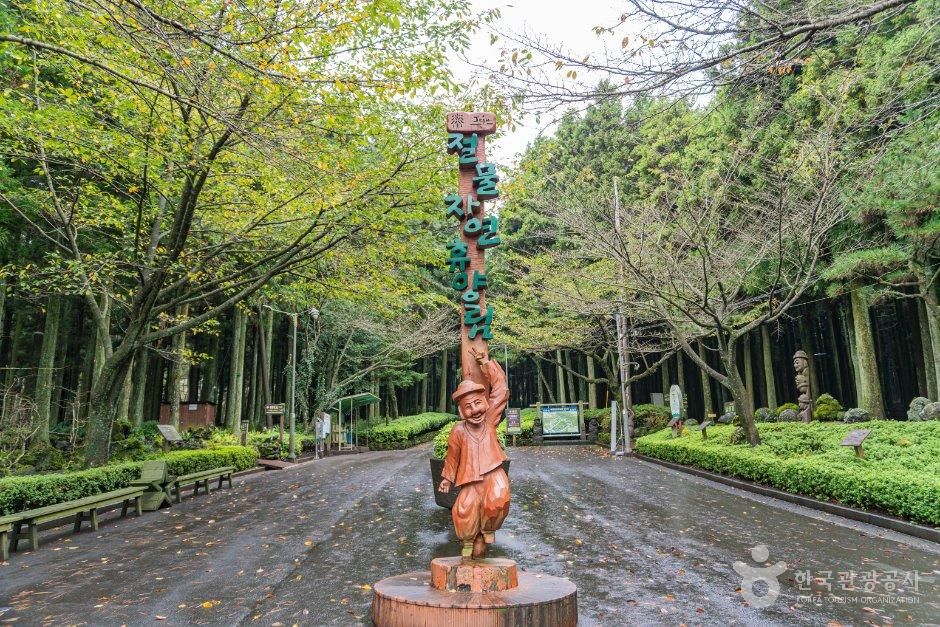
Jeju Jeolmul Natural Recreation Forest is a peaceful forest destination with tall cedar trees, walking paths, and fresh mountain air.
The forest offers several walking routes, from relatively easy paths to longer uphill trails. It is a good place to experience Jeju’s inland natural environment away from the busy coastal areas.
Visitors can enjoy the forest in different seasons, although weather and trail conditions can affect access.
- Best for: Forest walks, nature, and quiet outdoor activities
- Location: 584 Myeongnim-ro, Jeju-si
- Getting there: Local buses connect the area with central Jeju, but a taxi or rental car may be more convenient.
- Tip: Wear comfortable walking shoes and check trail conditions before setting out.
Food to Try in Jeju City
Jeju has a distinctive food culture shaped by its island environment, local agriculture, and fishing traditions.
- Jeju Black Pork: A well-known local specialty, commonly grilled at restaurants and served with vegetables and dipping sauces.
- Gogi-guksu: A noodle soup topped with slices of pork, popular in Jeju.
- Grilled or Braised Hairtail: Hairtail is often grilled or cooked in a spicy sauce with vegetables.
- Abalone Porridge: A rice porridge prepared with abalone, offering a mild seafood flavor.
- Jeju Mandarins and Hallabong: Local citrus fruits that are popular as fresh fruit, juice, desserts, and gifts.
Dongmun Market and the traditional restaurants around downtown Jeju are convenient places to explore local dishes.
How to Get Around Jeju City
Jeju City has an extensive bus network, but public transportation can take time because attractions are spread across a large area.
- Jeju International Airport: The main arrival point for most domestic and international visitors.
- Airport Buses: Airport bus services connect the airport with central Jeju and other parts of the island.
- Local Buses: Useful for reaching downtown attractions, beaches, and some natural areas. Check routes and transfer times before traveling.
- Rental Cars: A convenient option for visiting several coastal and inland attractions in one day. An appropriate driving permit and insurance are essential.
- Taxi: Useful for short trips or destinations with limited bus services.
For a short stay, explore nearby downtown attractions together. For beaches and distant natural areas, allow extra travel time.
How Much Time Do You Need?
One day is enough to explore central Jeju City, including Dongmun Market, Jejumok-Gwana, and Yongduam Rock.
Allow another day for coastal attractions such as Hamdeok Beach or Hyeopjae Beach and Hallim Park.
If you want to visit Jeju 4·3 Peace Park or Jeolmul Natural Recreation Forest, plan additional time depending on your route.
Why Visit Jeju City?
Jeju City offers a combination of local culture, historic sites, traditional markets, beaches, and forest landscapes. It is an ideal starting point for exploring Jeju Island and understanding the island’s everyday life beyond its famous natural attractions.
Whether you are interested in local food, coastal scenery, Korean history, or outdoor activities, Jeju City offers a variety of experiences across its different areas.
Before visiting, check current attraction opening hours, admission fees, public transportation schedules, and seasonal beach or trail conditions.