Gangwon-do, officially known in English as Gangwon State, is one of South Korea’s best destinations for travelers who want to experience mountains, beaches, forests, lakes, and traditional Korean culture. Located in the northeastern part of the country, the region offers a completely different atmosphere from the busy streets of Seoul.
From the dramatic peaks of Seoraksan National Park to the sandy beaches of Gangneung, Gangwon-do has something to offer in every season. Visitors can explore traditional markets, enjoy coastal cafés, hike through mountain valleys, visit historic temples, and discover peaceful countryside landscapes.
The region is also home to several destinations that are popular for day trips and longer holidays from Seoul. This guide introduces the main areas of Gangwon-do and helps international visitors decide where to go and how to plan their trip.
Why Visit Gangwon-do?
Gangwon-do is particularly attractive to travelers who enjoy outdoor activities and scenic destinations.
Its eastern coastline faces the East Sea, offering beautiful beaches, fishing ports, and sunrise viewpoints. Inland, mountain ranges, national parks, and forest trails provide opportunities for hiking and nature experiences.
The region is also known for:
- Mountain scenery: Seoraksan, Odaesan, and other mountain landscapes.
- Coastal destinations: Beaches, fishing villages, and seaside walking routes.
- Winter activities: Ski resorts and snow-covered mountain scenery.
- Traditional culture: Historic temples, local markets, and regional food.
- Outdoor experiences: Cycling, rafting, trekking, and scenic rail journeys.
Gangwon-do is a good choice for travelers who want to combine nature, local culture, and outdoor activities in one trip.
1. Chuncheon – Lakes, Islands, and Relaxing Day Trips
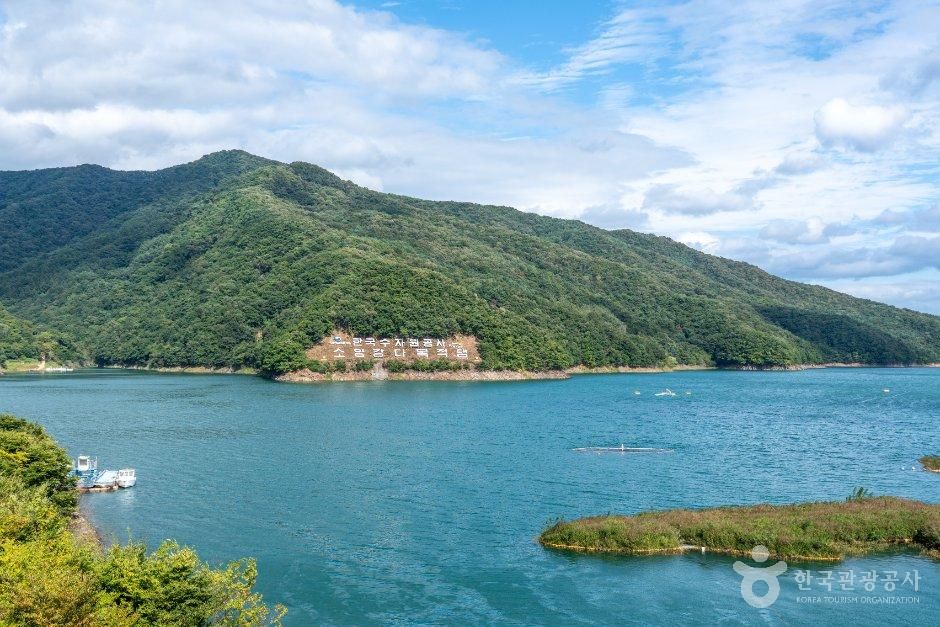
Chuncheon is a popular destination for travelers looking for lakeside scenery and a relaxed atmosphere. It is also one of the more convenient Gangwon-do cities to visit from Seoul.
Main attractions
- Nami Island: A scenic island known for tree-lined walking paths and seasonal landscapes. It is located in Chuncheon, although visitors commonly reach it by ferry from the Gapyeong area in Gyeonggi-do.
- Soyanggang Dam: A large dam overlooking the scenic Soyang Lake.
- Samaksan Mountain Lake Cable Car: A cable car route offering views across Uiam Lake and the surrounding mountains.
- Gongjicheon Stream: A pleasant waterfront area with walking paths and nearby cafés.
Travel tip: Chuncheon is suitable for a day trip from Seoul, but visitors who want to explore Nami Island and other nearby attractions at a relaxed pace may prefer an overnight stay.
2. Gangneung – Beaches, Coffee Streets, and Coastal Scenery
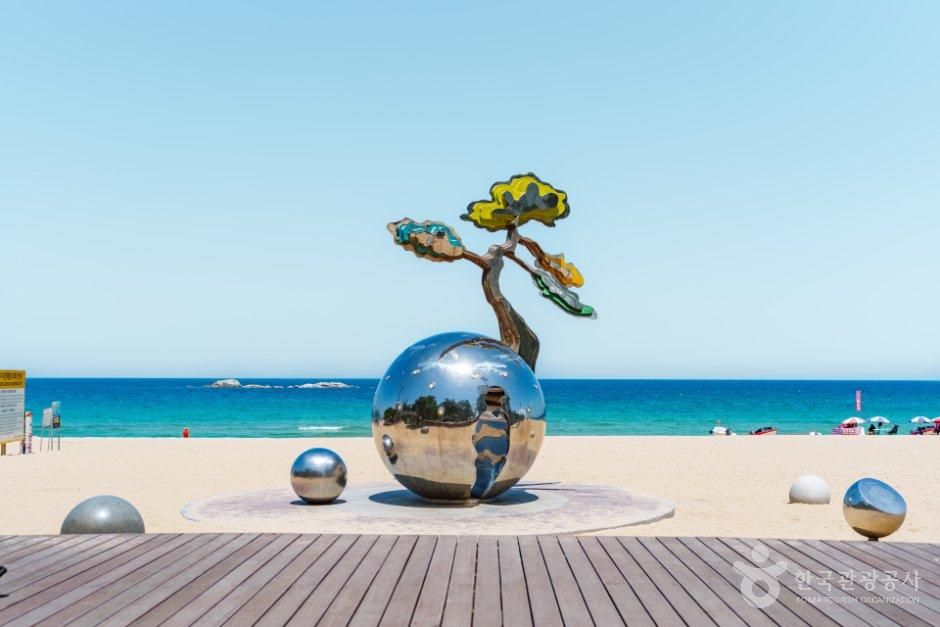
Gangneung is one of the best-known coastal destinations in Gangwon-do. The city combines long sandy beaches, traditional cultural attractions, and a popular café culture.
Main attractions
- Gyeongpo Beach: A wide sandy beach popular for seaside walks and summer holidays.
- Anmok Beach Coffee Street: A coastal café area where visitors can enjoy ocean views.
- Jumunjin Port: A fishing port known for seafood restaurants and coastal scenery.
- Jeongdongjin: A famous sunrise destination with beautiful coastal views.
- Ojukheon House: A historic traditional residence associated with important figures in Korean history.
Travel tip: Gangneung is a good destination throughout the year. Summer is popular for beach activities, while winter and spring offer quieter coastal walks and sunrise views.
3. Sokcho – Seoraksan National Park and East Coast Attractions
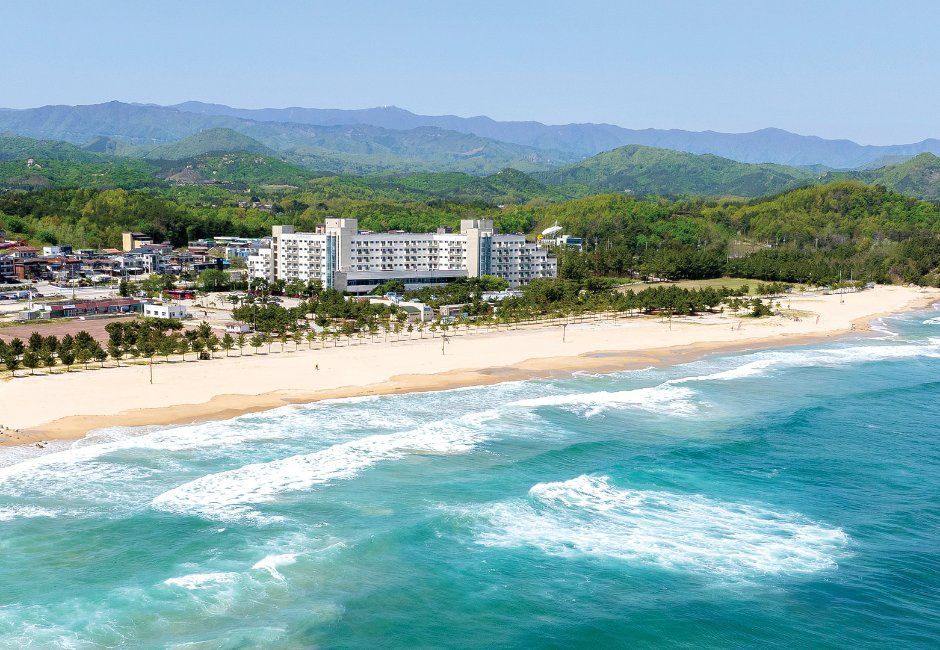
Sokcho is one of the most convenient bases for exploring Seoraksan National Park. The city offers a combination of mountain scenery, beaches, seafood, and traditional markets.
Main attractions
- Seoraksan National Park: One of Korea’s most famous mountain destinations, with hiking trails, valleys, waterfalls, and dramatic rock formations.
- Seoraksan Cable Car: A convenient way to enjoy mountain views near the park entrance, subject to weather and operating conditions.
- Sokcho Beach: A popular beach close to the city center.
- Yeonggeumjeong Pavilion: A coastal viewpoint overlooking the East Sea.
- Sokcho Tourist and Fish Market: A traditional market where visitors can try local seafood and regional specialties.
- Abai Village: A small neighborhood known for its distinctive history and local food culture.
Travel tip: Sokcho works well as a two-day destination. Spend one day exploring Seoraksan and another enjoying the beach, market, and nearby coastal attractions.
4. Yangyang – Surfing Beaches and Coastal Temples
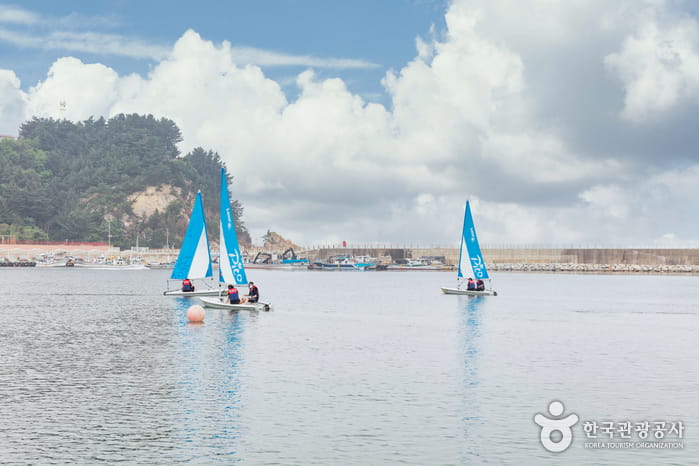
Yangyang is known for its beaches, surfing culture, and peaceful coastal scenery. It is a good choice for travelers who want a more relaxed seaside experience.
Main attractions
- Naksan Beach: A popular beach with a long stretch of sand and views of the East Sea.
- Naksansa Temple: A historic Buddhist temple overlooking the coast.
- Hajodae Pavilion: A scenic coastal viewpoint surrounded by rocky cliffs and pine trees.
- Jukdo Beach: A well-known surfing area with a laid-back beach atmosphere.
- Surfyy Beach: A beach area associated with surfing and seasonal coastal activities.
Travel tip: Yangyang is especially popular during the warmer months. Check surf lesson availability and beach operating arrangements before visiting.
5. Pyeongchang – Alpine Landscapes and Winter Sports
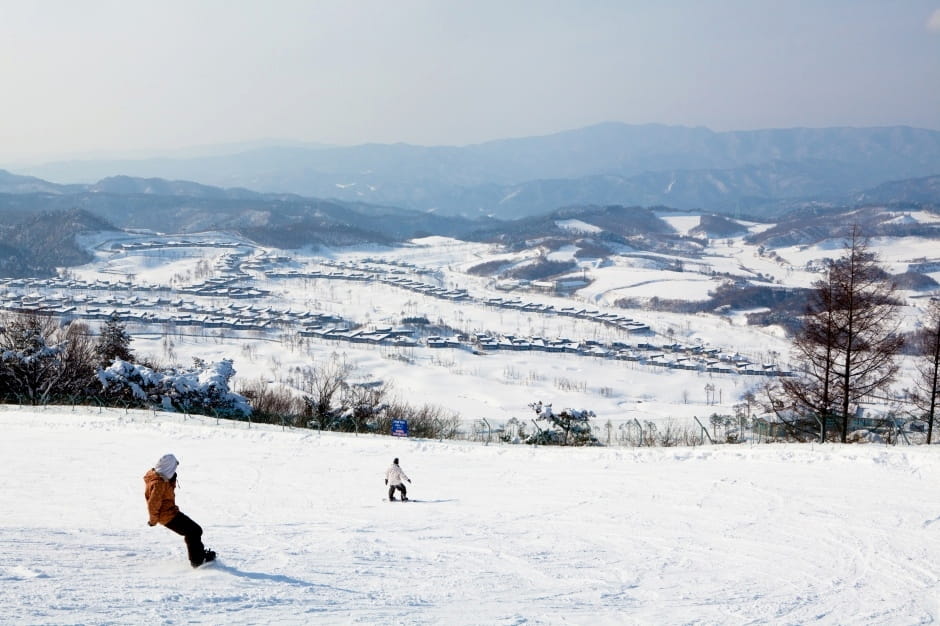
Pyeongchang is famous for its mountain scenery, ski resorts, and winter sports. It hosted major events during the 2018 Winter Olympics and remains one of Korea’s best-known mountain holiday destinations.
Main attractions
- Daegwallyeong: A highland area known for open landscapes, mountain views, and pastoral scenery.
- Daegwallyeong Sheep Ranch: A countryside attraction where visitors can enjoy rolling hills and sheep grazing fields.
- Odaesan National Park: A mountain destination known for forest trails, temples, and peaceful natural scenery.
- Woljeongsa Temple: A historic Buddhist temple surrounded by forest.
- Yongpyong and Alpensia areas: Mountain resort destinations offering seasonal leisure and winter activities.
Travel tip: Winter is ideal for skiing and snow activities, while spring, summer, and autumn offer different mountain landscapes. Some outdoor attractions operate seasonally.
6. Jeongseon – Traditional Culture and Mountain Experiences
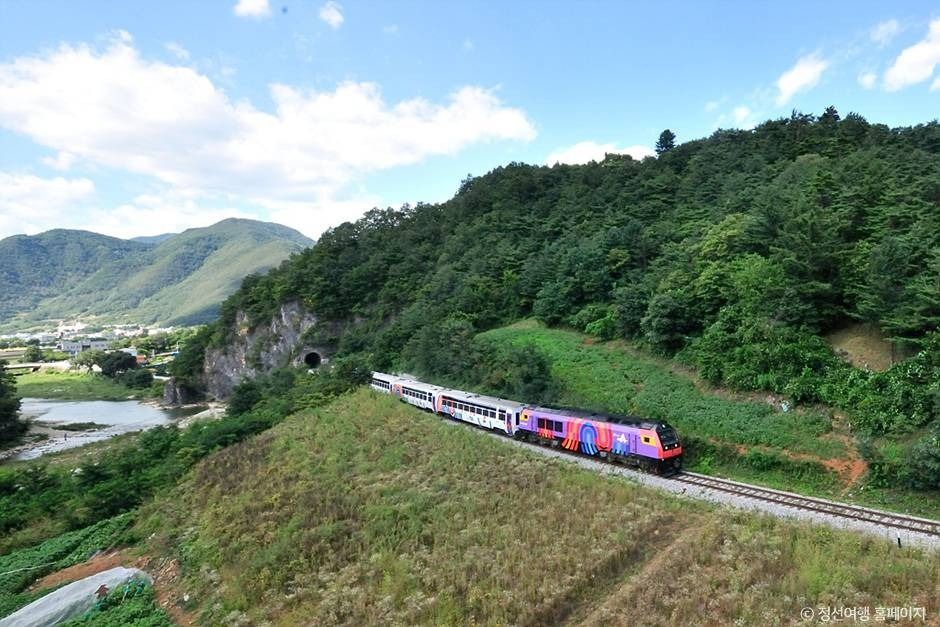
Jeongseon offers a quieter side of Gangwon-do, with mountain landscapes, traditional culture, and outdoor activities.
Main attractions
- Jeongseon Arirang Market: A traditional market where visitors can discover regional food and local products.
- Jeongseon Rail Bike: A scenic rail-bike experience through the countryside.
- Hwaam Cave: A limestone cave attraction with unusual geological features.
- Byeongbangchi Skywalk: A viewpoint overlooking the surrounding mountain landscape and river bends.
- Mindungsan Mountain: A hiking destination known for its seasonal grass-covered slopes.
Travel tip: Jeongseon is better suited to visitors who enjoy nature and rural experiences. Public transportation between attractions can be limited, so plan transfers carefully.
7. Donghae and Samcheok – Coastal Cliffs, Caves, and Ocean Views
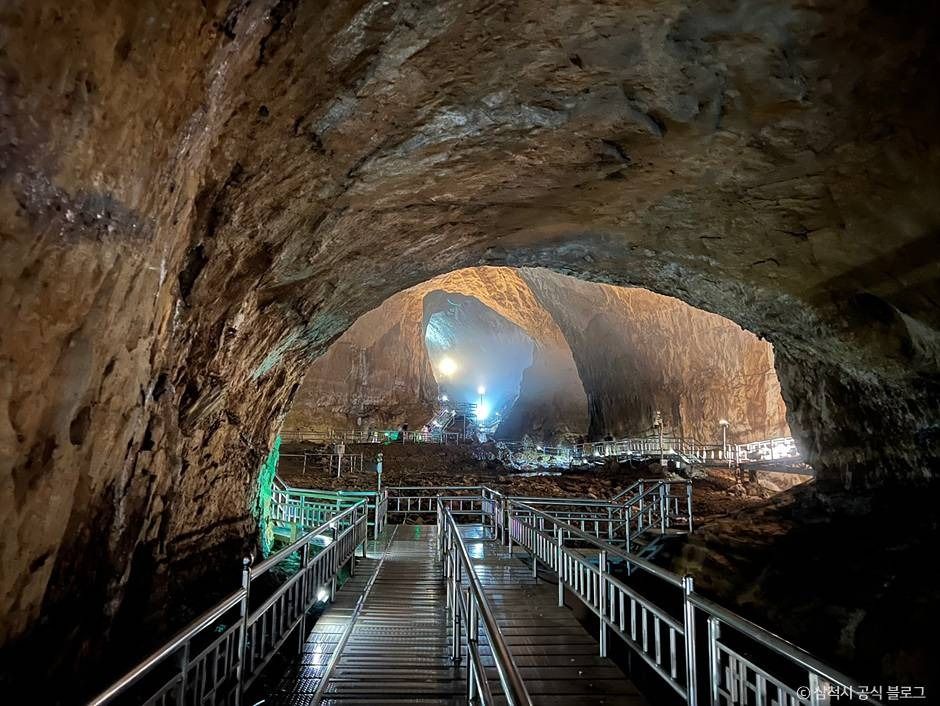
Donghae and Samcheok are neighboring coastal cities with dramatic scenery, beaches, caves, and seaside walking routes.
Main attractions in Donghae
- Mukho Port: A traditional harbor with coastal views and local seafood.
- Dojjaebigol Sky Valley: A coastal attraction with elevated viewpoints and experience facilities.
- Mureung Valley: A scenic valley known for rock formations, streams, and walking trails.
- Chuam Chotdaebawi Rock: A famous sunrise viewpoint featuring distinctive coastal rock formations.
Main attractions in Samcheok
- Hwanseon Cave: A large limestone cave with impressive underground formations.
- Daegeumgul Cave: A cave attraction known for its underground scenery.
- Jangho Port: A picturesque harbor often associated with clear water and marine activities.
- Samcheok Ocean Rail Bike: A coastal rail-bike experience with sea views.
Travel tip: Donghae and Samcheok can be combined into a coastal trip. However, attractions are spread out, so check local transport connections before choosing your accommodation.
8. Wonju – Art, Forests, and Scenic Walking Routes
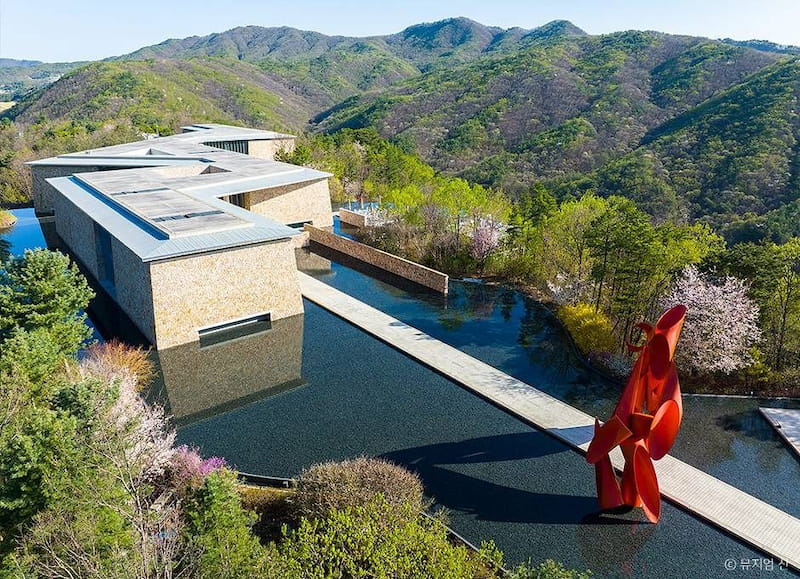
Wonju offers a different type of Gangwon-do experience, combining cultural attractions, architecture, and outdoor activities.
Main attractions
- Museum SAN: An art museum set in a beautiful natural environment, known for its architecture and exhibitions.
- Sogeumsan Grand Valley: A scenic area featuring walking routes, suspension bridges, and elevated viewpoints.
- Ganhyeon Tourist Area: A nature destination with dramatic rock formations and river scenery.
- Chiaksan National Park: A mountain area with hiking trails and forest landscapes.
Travel tip: Wonju is a good option for visitors interested in architecture, art, and nature. Check reservation requirements and facility operating schedules before visiting.
9. Inje and Goseong – Forests, Lakes, and Northern Coastal Scenery
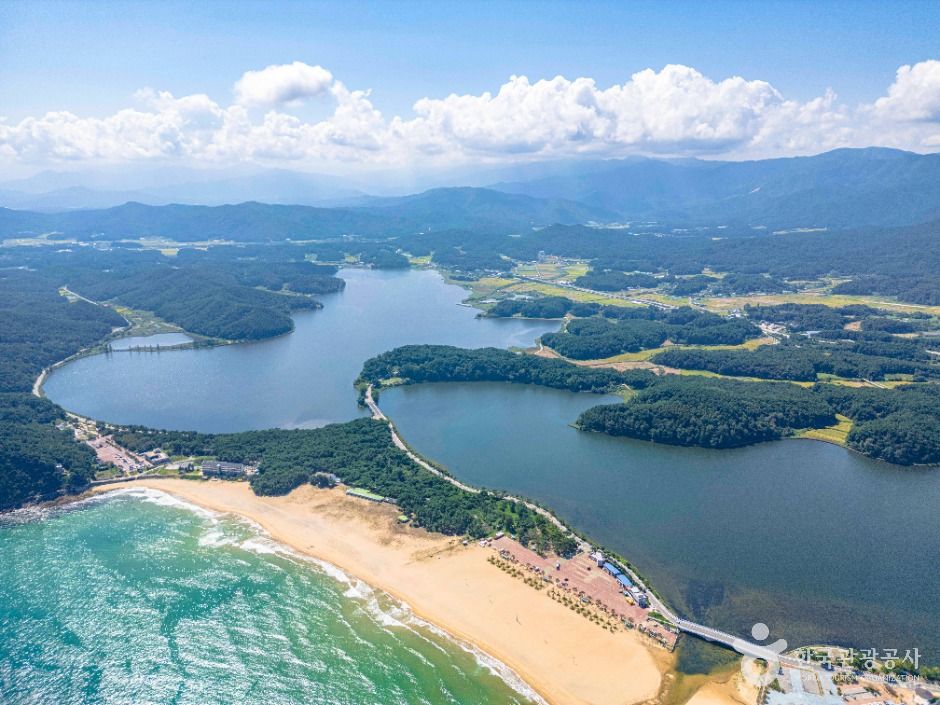
Inje and Goseong are ideal for travelers who prefer quieter natural destinations away from major city centers.
Main attractions in Inje
- Wondae-ri Birch Forest: A beautiful forest with tall white birch trees and designated walking trails.
- Baekdamsa Temple: A mountain temple surrounded by forest and valley scenery.
- Inje Speedium area: A destination associated with motorsports and leisure activities.
Main attractions in Goseong
- Hwajinpo Lake: A scenic coastal lagoon surrounded by natural landscapes.
- Hwajinpo Beach: A peaceful beach area near the northern coast.
- Goseong Unification Observatory: A viewpoint overlooking the northern landscape and the border region. Access is subject to security and visitor regulations.
Travel tip: These areas are best for nature-focused trips. Some attractions are far from public transport routes, so a rental car or carefully planned local transfers can make travel easier.
Best Time to Visit Gangwon-do
Gangwon-do offers different experiences throughout the year.
Spring (March–May)
Enjoy fresh mountain scenery, flowers, and comfortable weather for sightseeing and walking.
Summer (June–August)
Visit the East Coast beaches, explore valleys, and enjoy water-based activities. Popular beaches can become crowded during the summer holiday season.
Autumn (September–November)
Autumn foliage makes Seoraksan, Odaesan, and other mountain areas especially attractive. Weekends during peak foliage periods can be busy.
Winter (December–February)
Experience snow-covered landscapes and winter sports in Pyeongchang and other mountain resort areas. Temperatures can be significantly lower than in coastal and southern parts of Korea.
How to Get to Gangwon-do from Seoul
Gangwon-do is accessible from Seoul by train, subway, and intercity bus. The best option depends on your destination.
By train
- Gangneung: KTX services connect Seoul and Gangneung. Check the departure station and current timetable when booking.
- Chuncheon: ITX-Cheongchun trains connect the Seoul area with Chuncheon. The Gyeongchun Line also provides rail access from the Seoul metropolitan area.
- Wonju and other inland destinations: Rail services are available on selected routes, but the most convenient station depends on the exact destination.
By express or intercity bus
Buses connect Seoul with major Gangwon-do cities, including Sokcho, Gangneung, Chuncheon, Pyeongchang, and other regional destinations.
Bus services are often useful for places that are not directly connected by high-speed rail.
By rental car
A rental car offers greater flexibility when visiting rural areas, mountain attractions, and multiple coastal destinations. This is particularly useful in places such as Jeongseon, Inje, and Goseong.
Important: Gangwon-do is a large region. Traveling between cities can take several hours, and local buses may not run frequently in rural areas. Avoid planning too many distant attractions in one day.
How Many Days Do You Need in Gangwon-do?
The ideal length of your trip depends on how many areas you want to explore.
- 1 day: Choose one nearby destination, such as Chuncheon or Gangneung.
- 2 days: Explore one main area, such as Sokcho and Seoraksan or Gangneung and Jeongdongjin.
- 3–4 days: Combine two or three nearby destinations along the East Coast or in the mountains.
- 5–7 days: Explore several parts of Gangwon-do, including coastal cities, mountain areas, and inland attractions.
For a first visit, it is usually better to focus on one or two neighboring areas rather than trying to cover the entire province.
Local Food to Try in Gangwon-do
Gangwon-do has a distinctive regional food culture influenced by its mountains, coastline, and agricultural traditions.
Some local dishes worth trying include:
- Chuncheon Dakgalbi: Spicy stir-fried chicken cooked with vegetables and rice cakes.
- Makguksu: A cold buckwheat noodle dish especially associated with Chuncheon.
- Gangneung Chodang Sundubu: Soft tofu traditionally associated with the Chodang area of Gangneung.
- Sokcho Seafood: Fresh seafood, grilled fish, and local market specialties.
- Pyeongchang Buckwheat Dishes: Regional dishes made with buckwheat, including noodles and pancakes.
- Potato Ongsimi: A traditional potato-based dish popular in parts of Gangwon-do.
Trying local food is an excellent way to experience the character of each city and county.
Practical Travel Tips for International Visitors
- Check transportation first: Some attractions are far from train stations and bus terminals.
- Use Korean map services: Local navigation apps can be helpful for checking bus stops, walking routes, and rural destinations.
- Prepare for changing weather: Mountain areas can be colder and windier than coastal cities.
- Check seasonal access: Beaches, hiking trails, cable cars, caves, and outdoor attractions may have different operating schedules.
- Plan around weekends and holidays: Popular destinations such as Seoraksan, Nami Island, and major beaches can become crowded.
- Keep some cash available: Smaller markets, rural businesses, and local transport services may have limited payment options.
For travel assistance in multiple languages, visitors can contact the 1330 Korea Travel Hotline.
Start Exploring Gangwon-do
Gangwon-do is a region where travelers can experience many different sides of Korea in one journey. From the beaches of Gangneung and Yangyang to the mountains of Seoraksan and Odaesan, every area has its own scenery, food, and local character.
Whether you are planning a short trip from Seoul or a longer journey through Korea’s northeastern region, Gangwon-do offers plenty of opportunities to discover a quieter and more natural side of the country.
Start with one destination that matches your travel interests, then explore nearby cities and counties to build your own Gangwon-do travel route.