Hwaseong is a large city in southwestern Gyeonggi-do, located between Seoul and the west coast. The city offers a mix of Korean royal history, Buddhist heritage, island scenery, coastal ports, and modern urban parks.
Travelers can explore the royal tombs of King Jeongjo and Crown Prince Sado, visit a historic temple, cross to an island surrounded by tidal flats, and enjoy beautiful sunsets along the Yellow Sea. In addition, Hwaseong offers unusual geological attractions, including a site with dinosaur egg fossils.
Unlike a compact city destination, Hwaseong covers a wide area. Therefore, planning visits by location will help travelers make the most of their time.
1. Yungneung and Geolleung Royal Tombs
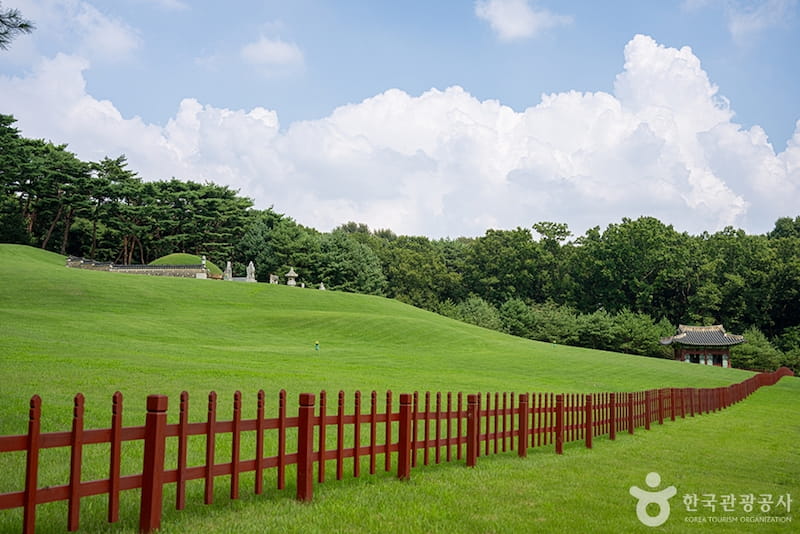
Yungneung and Geolleung are important royal tombs from the Joseon Dynasty. Yungneung holds Crown Prince Sado and his wife, Lady Hyegyeong, while Geolleung is the burial place of King Jeongjo and Queen Hyoui.
King Jeongjo built a close connection with this area through his efforts to honor his father. The tomb complex reflects the traditional layout of Joseon royal burial grounds, with wooded paths, ceremonial spaces, stone figures, and landscaped hills.
The peaceful forest surroundings make this site a pleasant place to learn about Korean royal history. Moreover, the tombs form part of the UNESCO World Heritage property known as the Royal Tombs of the Joseon Dynasty.
Travel tip: Allow around two hours to explore the grounds at a relaxed pace. The site usually closes on Mondays, so check the current visitor schedule before visiting.
2. Yongjusa Temple
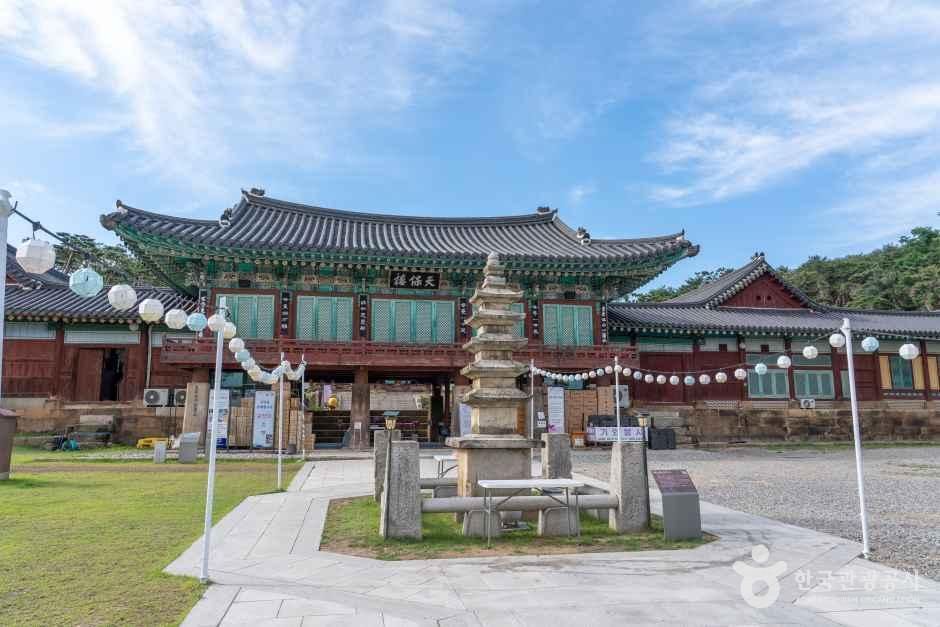
Yongjusa Temple has a close historical connection to King Jeongjo. He supported the temple as part of his efforts to honor and remember his father, Crown Prince Sado.
The temple features traditional Korean Buddhist architecture, historic relics, and a peaceful atmosphere. Visitors can explore the main courtyard, admire the wooden buildings, and learn about the temple’s royal connections.
Unlike coastal attractions in western Hwaseong, Yongjusa offers a quiet cultural experience surrounded by greenery. As a result, it makes a good addition to a history-focused itinerary with Yungneung and Geolleung.
Travel tip: Visit during daylight to appreciate the architecture and temple grounds. Keep noise low and respect any areas reserved for religious activities.
3. Jebudo Island
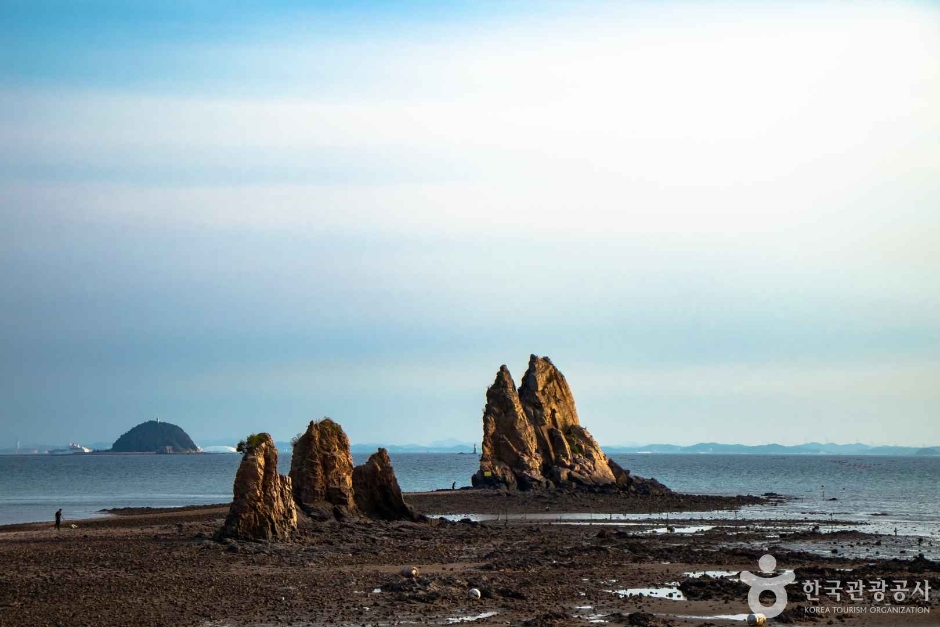
Jebudo is one of Hwaseong’s best-known coastal destinations. The island is famous for a tidal road that connects it to the mainland when the sea retreats.
This natural phenomenon creates a memorable coastal experience. Visitors can explore the shoreline, walk across tidal flats, enjoy seafood, and discover unusual coastal rock formations.
The island also offers scenic viewpoints and walking routes. Furthermore, the surrounding sea creates beautiful sunset views, especially on clear evenings.
Travel tip: The road to Jebudo opens and closes according to tidal conditions. Check the official sea-crossing schedule before departure. Never attempt to cross when the road is closed.
4. Jeongok Port and the West Coast
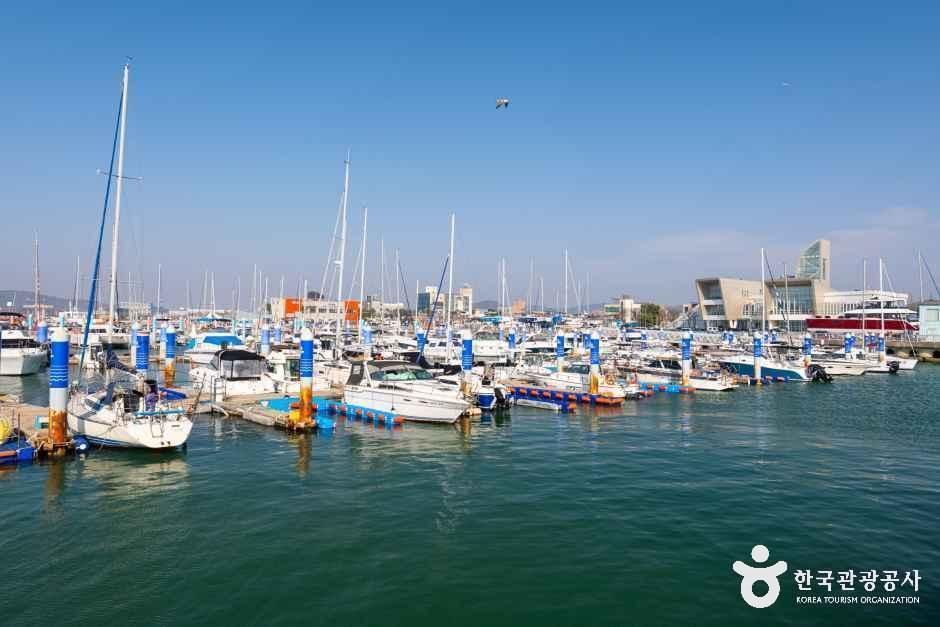
Jeongok Port is a coastal marina in western Hwaseong. The harbor features boats, waterfront views, and facilities for marine leisure activities.
Visitors can enjoy a walk around the marina and watch the changing colors of the sea. The port also provides access to coastal sightseeing and nearby island destinations.
The nearby coastline offers a different atmosphere from Hwaseong’s historic sites. In particular, travelers interested in sailing, fishing, and seaside photography may enjoy this area.
Travel tip: Check local activity schedules and weather conditions before planning a boat trip. Some marine experiences operate only during specific seasons or under suitable weather conditions.
5. Gungpyeong Port and Coastal Sunset Views
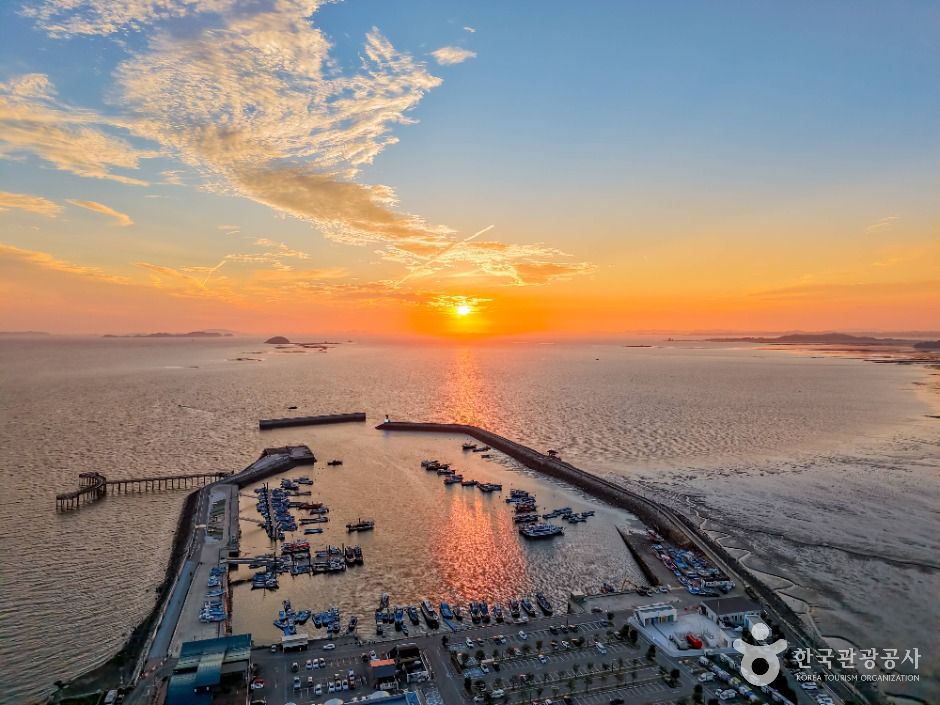
Gungpyeong Port is another popular destination along Hwaseong’s west coast. The area is known for its fishing harbor, seafood restaurants, coastal walking areas, and sunset scenery.
Visitors can enjoy fresh seafood and watch fishing boats return to the harbor. Nearby coastal paths also provide opportunities to appreciate the sea and surrounding landscape.
For photographers, the late afternoon offers beautiful light over the water. However, sunset times change throughout the year, so plan your visit accordingly.
Travel tip: Combine Gungpyeong Port with other nearby coastal attractions rather than traveling across the entire city on the same day.
6. Gojung-ri Dinosaur Egg Fossil Site
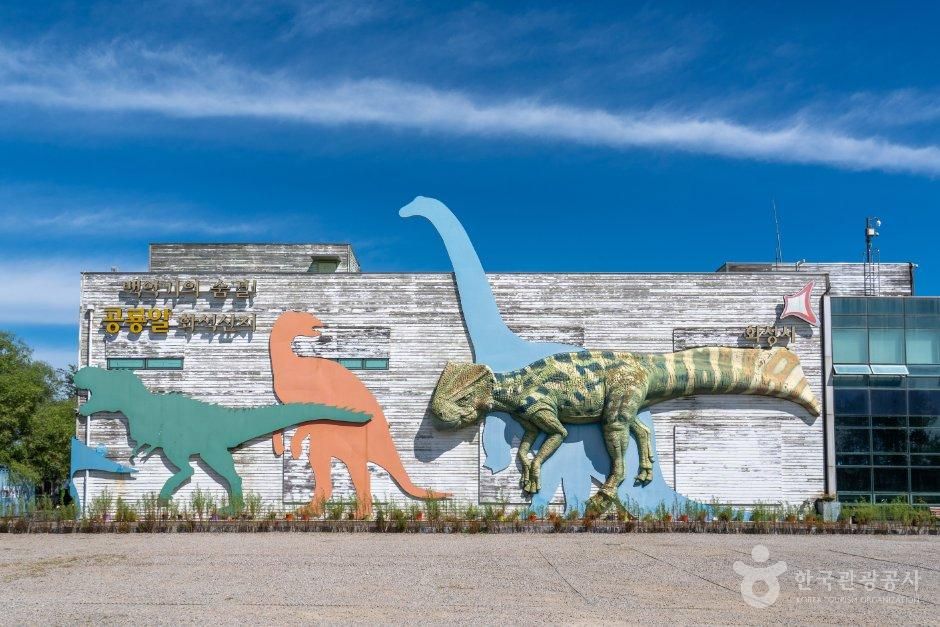
The Gojung-ri Dinosaur Egg Fossil Site offers a fascinating look into the prehistoric environment of the Korean Peninsula. Researchers discovered dinosaur egg fossils in this area, which preserves geological evidence from the Cretaceous Period.
The site features open landscapes, a visitor center, and a walking route toward the fossil discovery area. Visitors can learn about prehistoric life and the geological history of the region.
This attraction provides a very different experience from royal tombs and coastal ports. In addition, the broad landscape offers a distinctive setting for nature photography.
Travel tip: The walking route can involve a considerable distance across an open area. Bring water, wear comfortable shoes, and check visitor center hours before departure.
Getting Around Hwaseong
Hwaseong covers a large area, so transportation planning is essential. Travelers can use regional buses, local buses, trains, and taxis, depending on their destination.
Dongtan is an important transport area, while western coastal attractions require additional travel from the main urban centers. Public transportation may also involve transfers and longer waiting times.
For a more efficient itinerary, group attractions by area:
- Central and eastern Hwaseong: Yungneung and Geolleung, Yongjusa Temple, and Dongtan Lake Park.
- Western coast: Jebudo Island, Jeongok Port, and Gungpyeong Port.
- Southern and southwestern area: Gojung-ri Dinosaur Egg Fossil Site and nearby geological attractions.
A rental car or taxi can make coastal sightseeing easier. Meanwhile, visitors using public transportation should check bus connections and return schedules before leaving.
Recommended Visit Duration
Hwaseong works well as a day trip or a longer coastal getaway. However, the best schedule depends on your preferred attractions and transportation.
- Half day: Visit Yungneung and Geolleung with Yongjusa Temple.
- One day: Explore Jebudo Island and nearby coastal attractions.
- Two days: Combine royal heritage, the west coast, and geological attractions at a relaxed pace.
Because the city is geographically large, avoid combining distant destinations without checking travel times.
Travel Tips
- Check tidal schedules: Jebudo’s connecting road depends on sea conditions and tide times.
- Plan by area: Group nearby attractions to reduce travel time.
- Prepare for walking: Royal tombs, islands, and coastal trails involve outdoor walking.
- Check the weather: Strong winds and rain can affect coastal activities and boat trips.
- Bring suitable clothing: Coastal areas can feel windy even on mild days.
- Confirm visitor information: Check current opening hours, closure days, admission fees, and transport schedules before departure.
Is Hwaseong Worth Visiting?
Hwaseong is a rewarding destination for travelers who want to discover a wider range of experiences in Gyeonggi-do. Its royal tombs and historic temple introduce important parts of Korean history, while Jebudo and the west coast offer memorable seaside scenery.
The city also stands out for its unusual geological attractions, including the dinosaur egg fossil site. Moreover, its mix of heritage, nature, and coastal culture makes Hwaseong different from nearby urban destinations.
For visitors exploring beyond Seoul, Hwaseong offers an opportunity to experience both Korea’s historic past and its western coastline.