Gwangju-si is a city in Gyeonggi-do, southeast of Seoul. It is known for its historic mountain fortress, traditional Korean ceramics, riverside scenery, and peaceful natural parks.
Unlike the metropolitan city of Gwangju in southwestern Korea, Gwangju-si in Gyeonggi-do offers a quieter travel experience with cultural attractions and outdoor destinations. It is a good option for travelers looking to explore Korean history and nature beyond central Seoul.
1. Namhansanseong Fortress
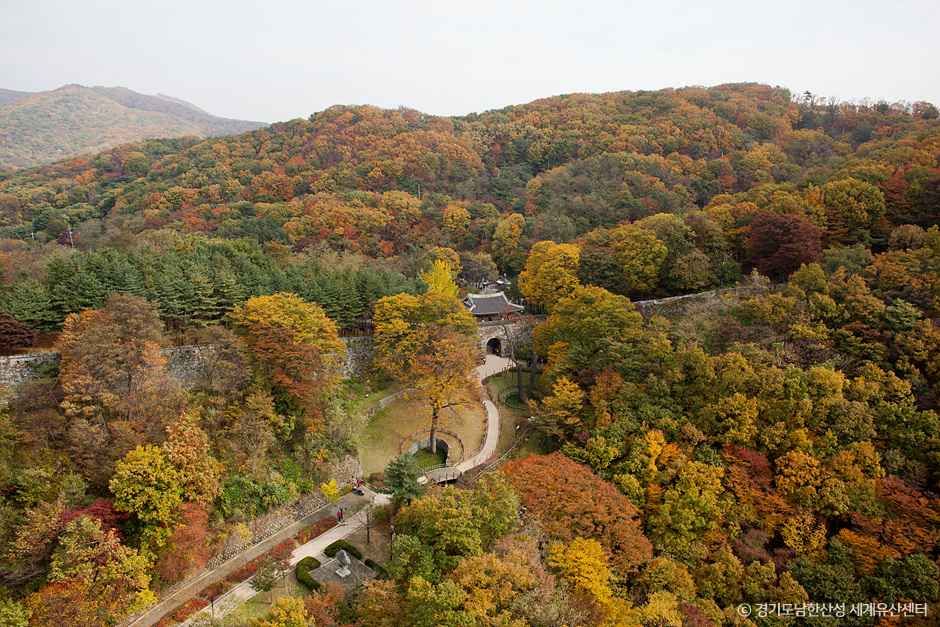
Namhansanseong is a historic mountain fortress and a UNESCO World Heritage Site. It was built to protect the capital and served as a refuge for the Joseon royal court during wartime.
The fortress features stone walls, traditional gates, forest trails, and historic buildings. Visitors can walk along sections of the walls and enjoy views of the surrounding mountains.
The temporary palace, known as Namhansanseong Haenggung, provides additional insight into how the royal court operated during emergencies.
Travel tip: Choose a walking route based on your fitness level. The fortress is located in a mountainous area, so comfortable shoes are recommended. The fortress grounds and palace have different visiting conditions.
2. Gyeonggi Ceramic Museum
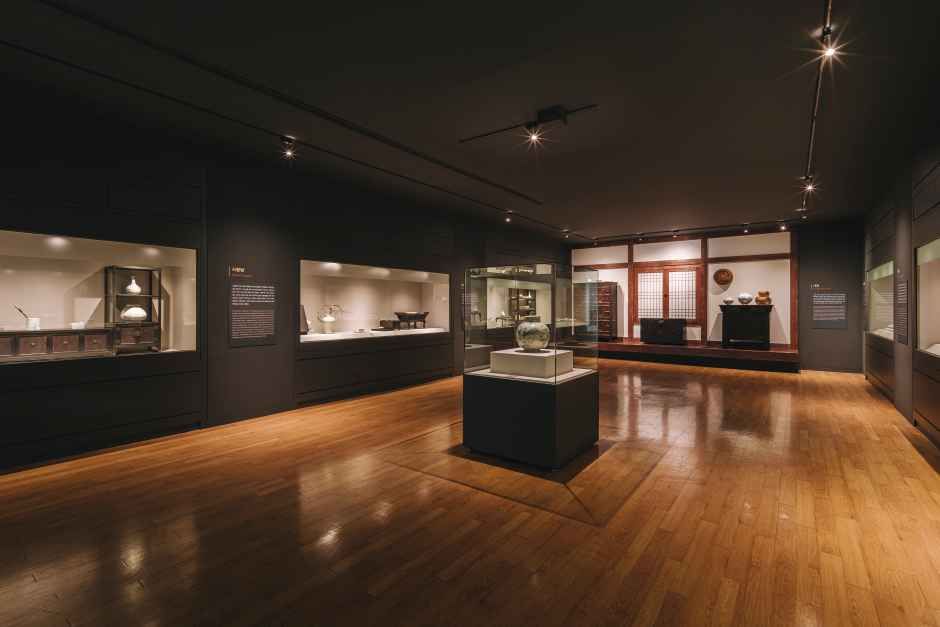
Gyeonggi Ceramic Museum introduces Korea’s traditional pottery and ceramic heritage.
The museum explores the history of Korean ceramics, including white porcelain and other traditional forms produced during the Joseon Dynasty. Exhibitions and cultural facilities help visitors understand how pottery developed as an important part of Korean craftsmanship.
The surrounding Gonjiam area is also associated with ceramic culture and traditional pottery activities.
Travel tip: Check current exhibitions and any pottery programs before visiting. If you are interested in Korean crafts, allow extra time for the museum and nearby cultural attractions.
3. Bunwon Kiln Site and Paldang Mulangae Park
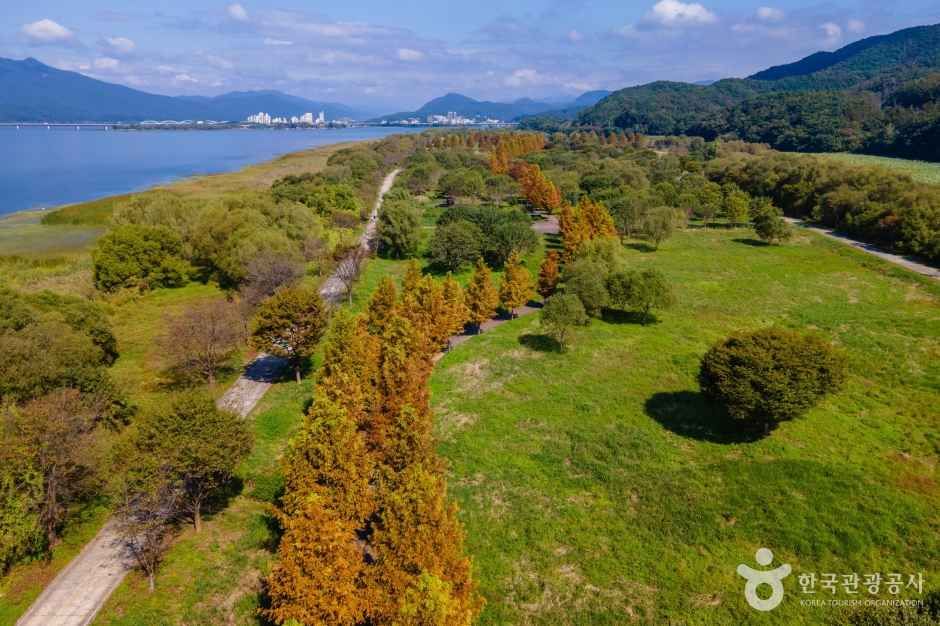
Bunwon is associated with the historic production of royal ceramics during the Joseon period.
The area offers a connection between traditional pottery history and the natural scenery around Paldang Lake. Nearby Paldang Mulangae Park provides a place to enjoy the lakeside landscape and take a relaxed walk.
This area is suitable for travelers interested in Korean history, traditional crafts, and quiet countryside scenery.
Travel tip: The kiln site and lakeside park are separate attractions. Check their locations and transportation connections before planning a visit.
4. Gyeongan Marsh Ecological Park
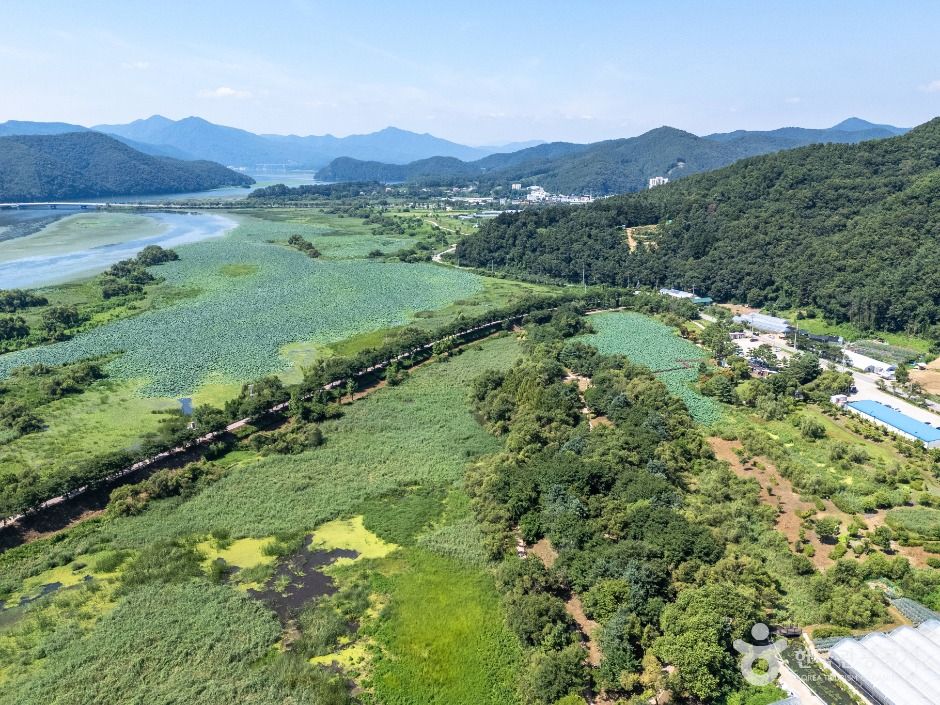
Gyeongan Marsh Ecological Park is a nature-focused destination near the Gyeongan River.
The park features wetland scenery, walking paths, and opportunities to observe the local natural environment. It is a good place for a peaceful outdoor break away from busy city streets.
Visitors can enjoy seasonal landscapes and take photographs of the surrounding wetlands.
Travel tip: Bring comfortable walking shoes and allow time to explore the paths. Wildlife sightings depend on the season and conditions, so avoid disturbing birds and other animals.
5. Jungdae Mulbit Park
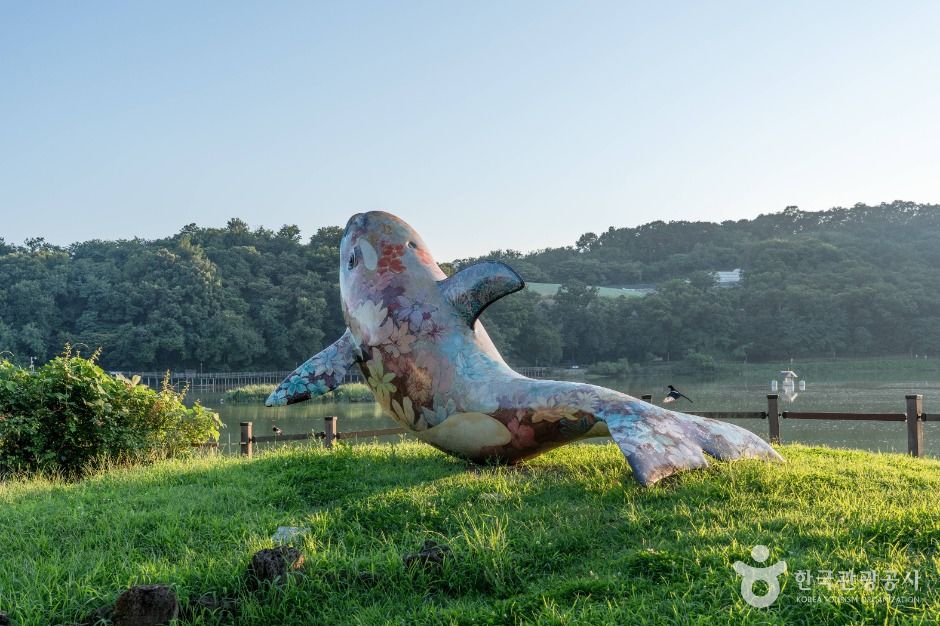
Jungdae Mulbit Park is a local park known for its landscaped surroundings and outdoor walking areas.
It offers a simple way to enjoy green space during a visit to Gwangju-si. The park is suitable for a short walk, relaxing outdoors, or taking a break between other attractions.
Travel tip: Consider visiting in the morning or late afternoon for a comfortable walk. Check local access and facilities before traveling.
Food to Try
Gwangju-si has traditional Korean restaurants, local specialties, and cafés around its historic and scenic areas.
Look for:
- Korean traditional meals: Rice, soup, vegetables, and seasonal side dishes.
- Grilled Korean meat: A popular choice for a filling meal.
- Mountain-area dishes: Restaurants around Namhansanseong offer meals suited to visitors exploring the fortress.
- Cafés near Paldang Lake: A relaxing stop for coffee, desserts, and scenic views.
Menus and prices vary by restaurant, so check locally before ordering.
How to Get Around
Gwangju-si is spread across several areas, and attractions are not all within walking distance of one another.
- Subway and rail: Gyeonggang Line stations serve parts of Gwangju-si, including Gyeonggi Gwangju and Gonjiam.
- Local buses: Connect stations with selected attractions, but service frequency varies.
- Taxi: Useful for reaching parks, historic sites, and destinations with limited direct public transportation.
- Walking: Best for exploring Namhansanseong Fortress, individual parks, and museum grounds.
For a smoother trip, group attractions by area rather than trying to cross the entire city in one day.
How Much Time Do You Need?
- Half day: Visit Namhansanseong Fortress or the ceramic museum.
- One day: Combine the fortress with a cultural attraction or a nearby park.
- Full day: Explore several destinations, allowing extra time for travel between them.
A focused itinerary is more practical than visiting every attraction in one trip.
Why Visit Gwangju-si?
Gwangju-si offers a combination of Korean history, traditional craftsmanship, and natural scenery within Gyeonggi-do.
Namhansanseong Fortress provides a memorable historical experience, while the ceramic museum and Bunwon area introduce Korea’s pottery heritage. Wetland and lakeside parks offer quieter places to enjoy nature.
For travelers staying in Seoul, Gwangju-si is worth considering for a day trip focused on history, outdoor walks, and traditional Korean culture.
Before visiting, check current opening hours, closure days, admission fees, and public transportation schedules. Some attractions are located outside the main urban area and may require additional travel time.