Namyangju is a scenic city in Gyeonggi-do, northeast of Seoul. Known for its riverside landscapes, historic royal tombs, traditional temples, and peaceful walking areas, it is a good destination for travelers looking for a nature-focused day trip from the capital.
The city offers a different experience from Seoul’s busy urban neighborhoods. Visitors can explore the history of Joseon, walk beside the North Han River, and enjoy mountain scenery in one trip.
1. Water Garden (Mului Garden)
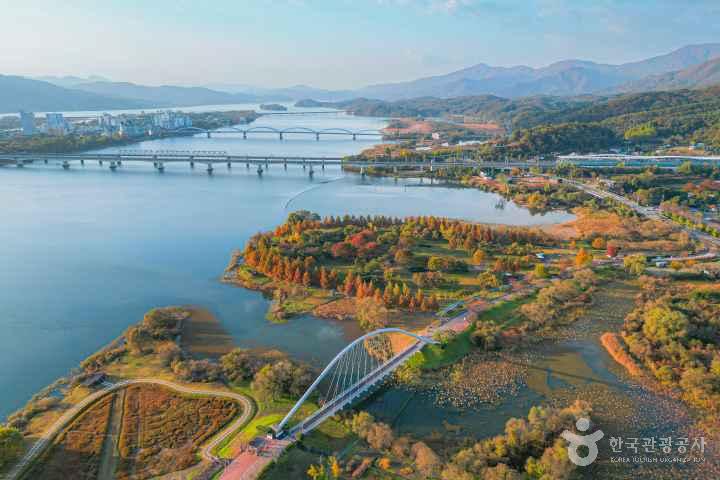
Water Garden is a riverside park in Namyangju, known for its open views of the North Han River and landscaped walking paths.
The park is especially attractive for relaxing walks, photography, and enjoying the changing scenery throughout the year. Spring flowers and autumn colors make the area particularly pleasant.
Travel tip: Visit in the morning or late afternoon for softer light and a quieter atmosphere. The park is best enjoyed on foot, so allow time to walk along the riverside.
2. Dasan Jeong Yak-yong Historic Site
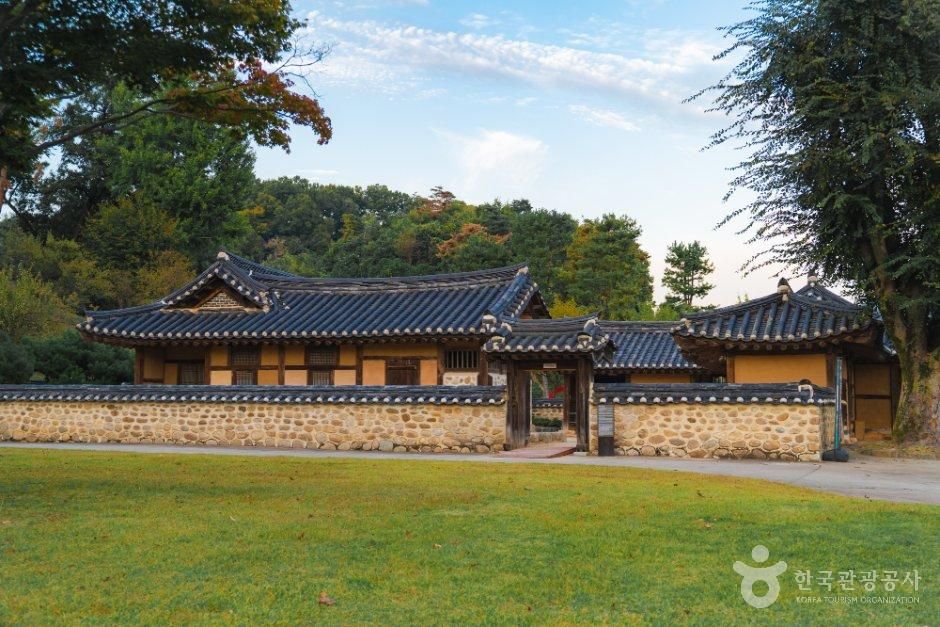
The Dasan Jeong Yak-yong Historic Site is dedicated to Jeong Yak-yong, a major Korean scholar and thinker of the Joseon Dynasty.
The site includes historic buildings, a memorial area, and cultural facilities related to his life and work. It offers visitors an introduction to Korean intellectual history and traditional culture.
The nearby riverside landscape also makes this area suitable for a relaxed cultural outing.
Travel tip: Combine the historic site with a visit to Dasan Ecological Park, which is nearby. Check the museum and exhibition facilities before visiting, as operating schedules may vary.
3. Gwangneung Royal Tomb
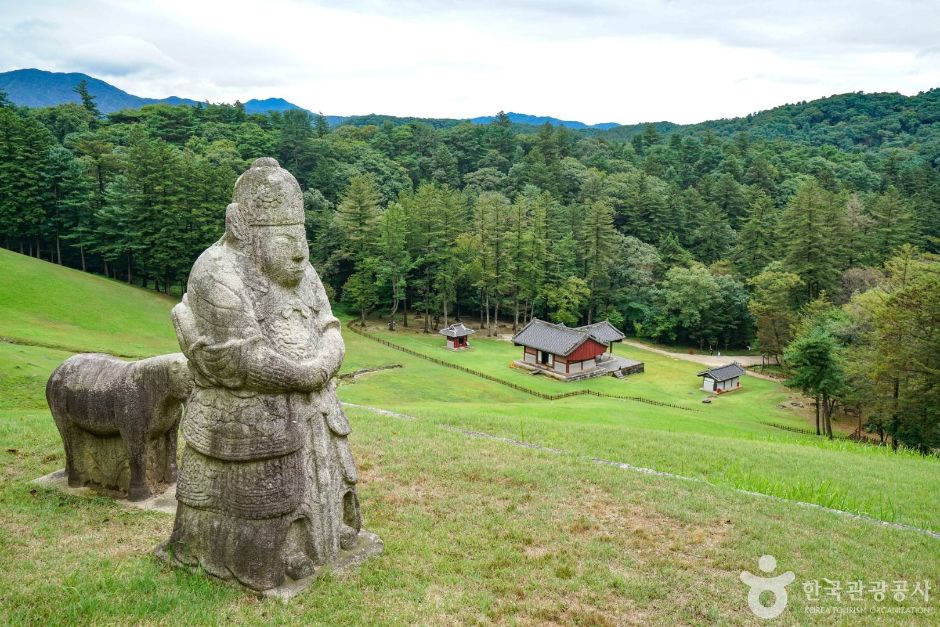
Gwangneung is a UNESCO World Heritage Site and one of the royal tombs associated with the Joseon Dynasty.
The tomb is the burial place of King Sejo and Queen Jeonghui. Its forested surroundings and traditional burial landscape provide insight into Joseon royal customs and historical architecture.
Visitors can walk through the designated paths and experience a quieter side of Korea’s royal heritage.
Travel tip: Follow the marked visitor routes and respect restricted areas around the tombs. The site is best suited for travelers interested in Korean history and traditional landscapes.
4. Hongneung and Yureung Royal Tombs
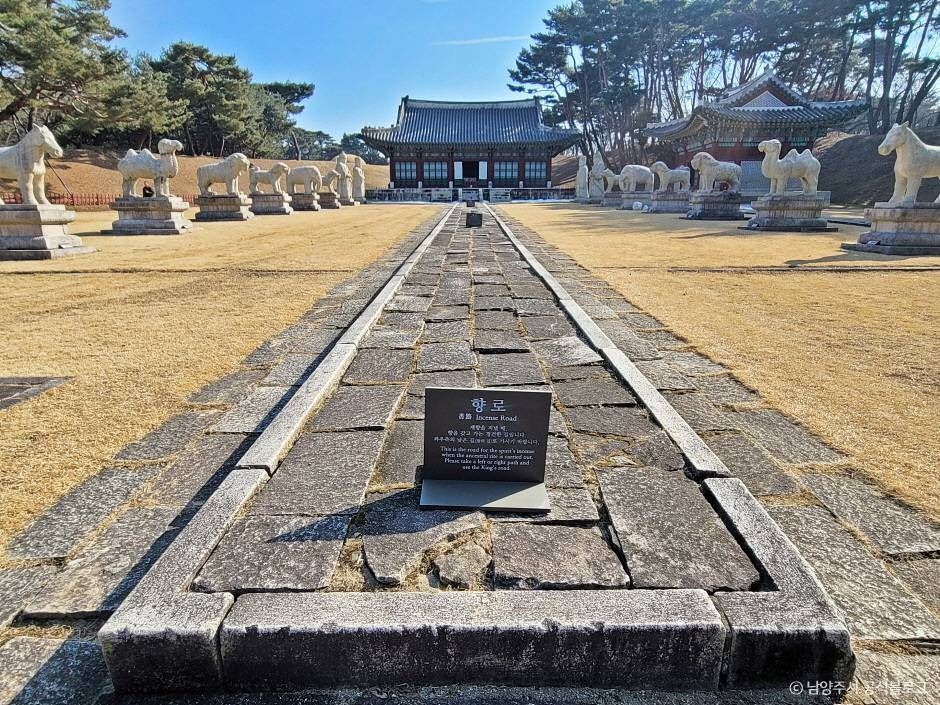
Hongneung and Yureung are historic royal tombs in Namyangju associated with the late Joseon period and the Korean Empire.
Hongneung is the tomb of Emperor Gojong and Empress Myeongseong. Yureung is the tomb of Emperor Sunjong and his consorts.
The site offers a different historical perspective from earlier Joseon royal tombs, reflecting Korea’s transition toward the modern era.
Travel tip: Visit with enough time to walk through the grounds. These tombs are a good choice for travelers who want to understand Korea’s royal history beyond the most famous palace attractions in Seoul.
5. Bongseonsa Temple
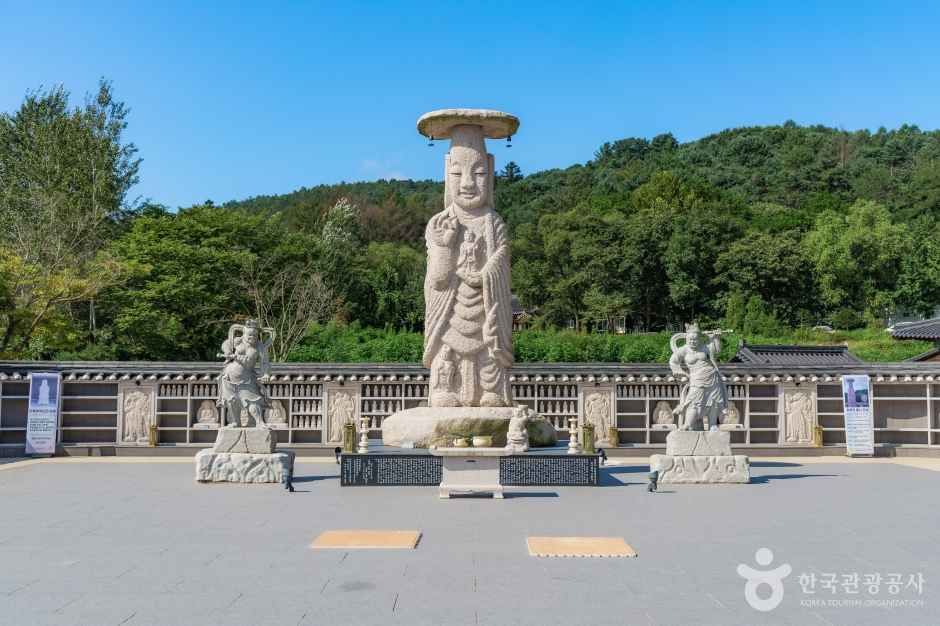
Bongseonsa is a Buddhist temple located near Gwangneung and surrounded by forested scenery.
The temple offers a peaceful atmosphere for visitors interested in Korean Buddhist culture, traditional architecture, and nature. Its setting makes it a useful stop when exploring the northern part of Namyangju.
Travel tip: Keep voices low and follow temple etiquette. Visitors should avoid entering areas marked for worship or restricted access.
Food to Try
Namyangju has a variety of Korean restaurants and cafés, especially around riverside areas and popular visitor destinations.
Look for:
- Korean barbecue: Grilled meat served with rice and side dishes.
- Korean noodles: A simple meal option at local restaurants.
- Traditional Korean meals: Rice, soup, vegetables, and seasonal side dishes.
- Café desserts: Many riverside cafés offer drinks and desserts with views of the surrounding landscape.
Restaurant menus and prices vary, so check locally before ordering.
How to Get Around
Namyangju is a large city with attractions spread across different areas. Public transportation is available, but some parks, temples, and historic sites require additional bus travel or a taxi from the nearest station.
- Subway and rail: Several areas of Namyangju are connected to Seoul by regional rail and subway lines.
- Local buses: Useful for reaching attractions, but routes and intervals vary by destination.
- Taxi: A practical option for connecting places that are not close to stations.
- Walking: Best for exploring individual parks, royal tomb grounds, and riverside paths.
Plan your route around a specific area rather than trying to visit every attraction in one day.
How Much Time Do You Need?
- Half day: Visit Water Garden or one historic site.
- One day: Combine a riverside park with a royal tomb or temple.
- Full day: Explore several attractions, allowing extra time for transportation between areas.
Namyangju is more enjoyable when you choose a few nearby destinations instead of rushing across the city.
Why Visit Namyangju?
Namyangju is a good choice for travelers who want to experience Korean history and nature outside central Seoul.
Its riverside parks, royal tombs, historic sites, and temples offer a relaxed mix of outdoor scenery and cultural attractions. Whether you are interested in Joseon history or simply want a peaceful day near the river, Namyangju provides an accessible introduction to the quieter side of Gyeonggi-do.
Before visiting, check current opening hours, closure days, admission information, and public transportation schedules for each attraction.