Gyeonggi-do is a large province surrounding Seoul, offering a wide variety of travel experiences beyond the capital. Visitors can explore historic fortresses, traditional Korean villages, amusement parks, mountain landscapes, gardens, and coastal destinations.
Many places in Gyeonggi-do are suitable for day trips from Seoul. However, attractions are spread across the province, so choosing destinations in the same area can make travel more convenient.
This Gyeonggi-do travel guide introduces some of the region’s best-known destinations and helps travelers decide where to go.
1. Suwon Hwaseong Fortress
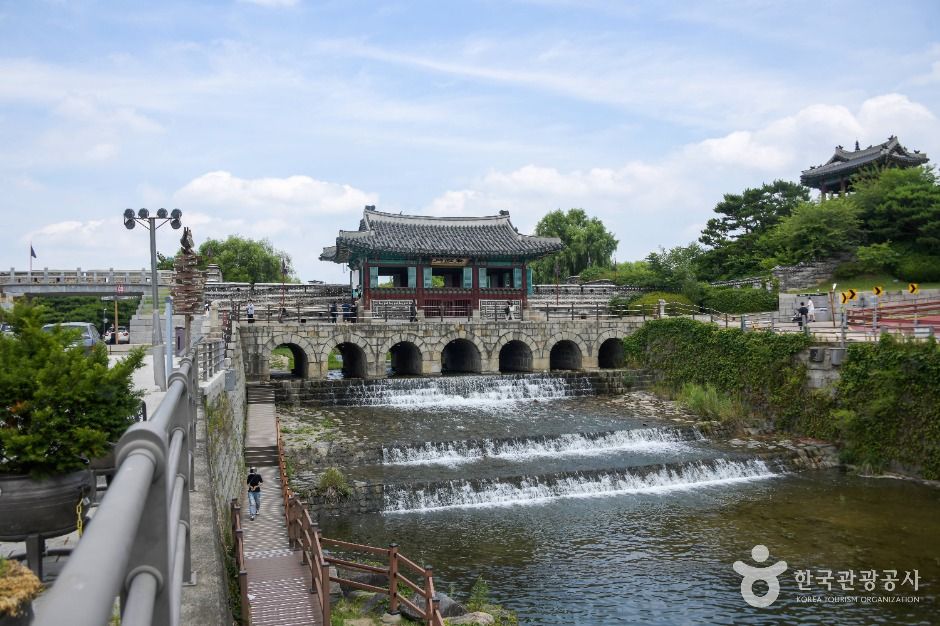
Suwon Hwaseong Fortress is one of Gyeonggi-do’s most important historic attractions.
Built during the Joseon Dynasty in the late 18th century, the fortress combines defensive walls, gates, observation structures, and historic architecture. It is recognized as a UNESCO World Heritage Site.
Visitors can walk along sections of the fortress wall, explore its gates, and enjoy views of Suwon’s historic and modern cityscape.
Nearby attractions include Hwaseong Haenggung Palace, a royal temporary palace associated with King Jeongjo.
Suwon is a good choice for travelers interested in Korean history and traditional architecture.
Travel tip: Allow around 3–5 hours to explore the main fortress area and nearby historic attractions. Walking distances and uphill sections may require additional time.
2. Korean Folk Village
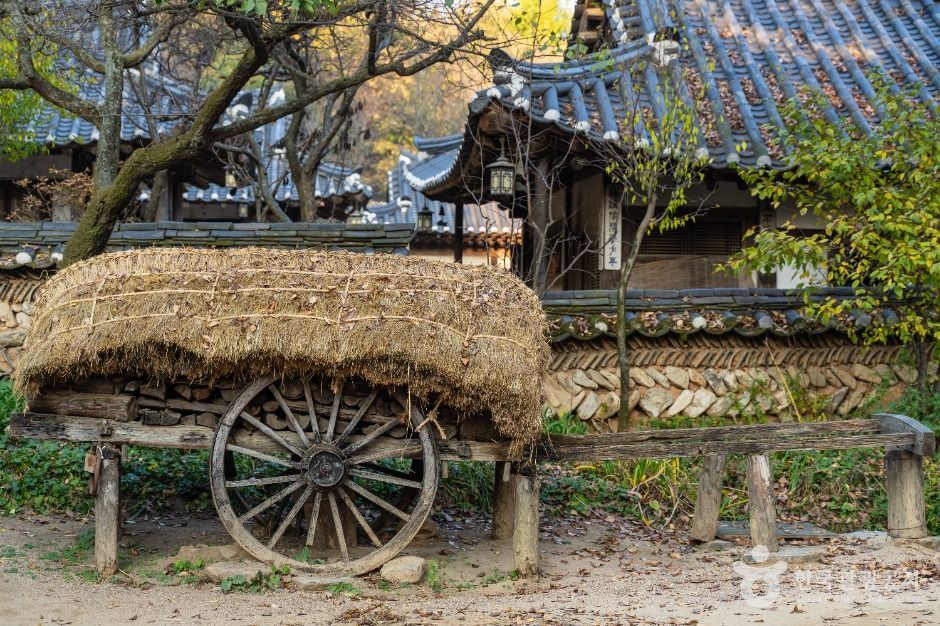
Korean Folk Village in Yongin introduces visitors to traditional Korean life and architecture.
The open-air cultural attraction features traditional houses, historical buildings, craft demonstrations, and cultural performances.
Visitors can explore different types of traditional homes and learn about everyday life during earlier periods of Korean history.
The village is particularly useful for travelers who want to understand traditional Korean architecture and customs in one location.
Seasonal performances and activities may vary, so check the current program before visiting.
Travel tip: Allow around 3–4 hours for a comfortable visit. The village is outside central Seoul, so include transportation time when planning a day trip.
3. Everland
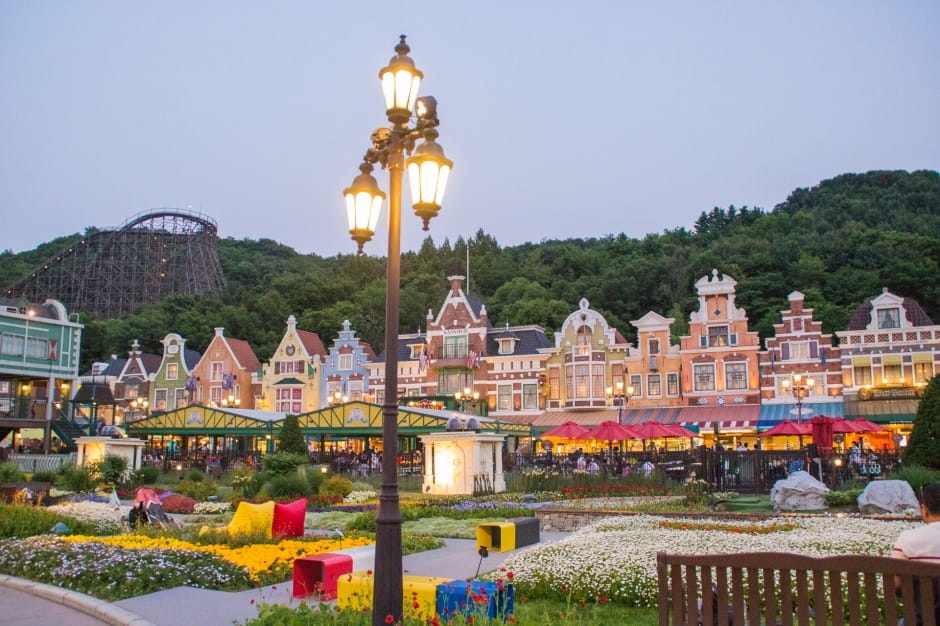
Everland is a major theme park in Yongin, offering amusement rides, themed areas, seasonal events, and family entertainment.
The park is suitable for visitors who want a full day of activities rather than a short sightseeing stop.
Its attractions include rides, gardens, themed entertainment areas, and seasonal experiences.
Ride availability, operating hours, and special events vary throughout the year.
Travel tip: Plan a full day if you want to experience several rides and attractions. Check the park’s current calendar and transportation options before traveling.
4. Imjingak and the DMZ Area
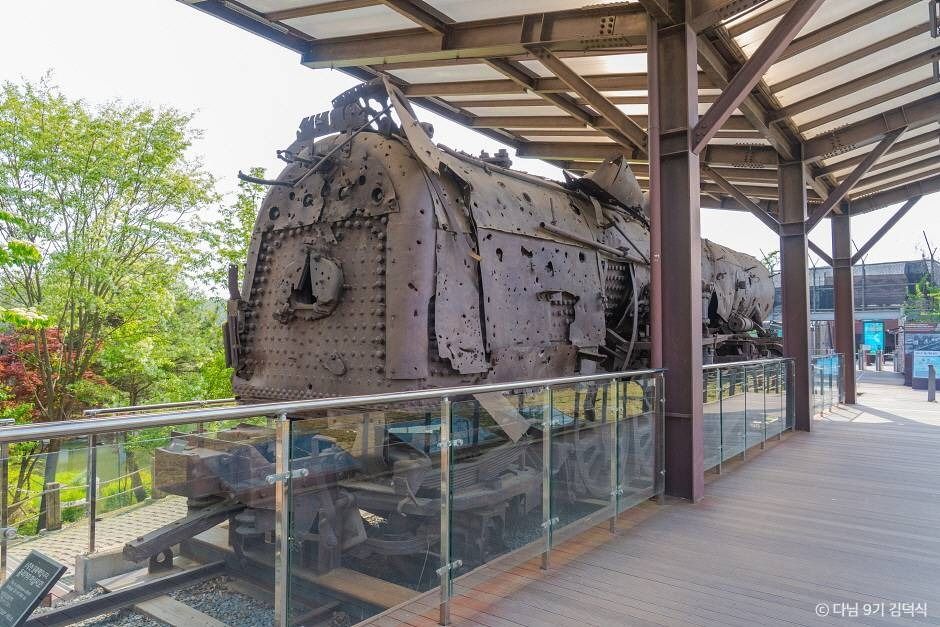
Imjingak is a well-known destination in Paju associated with the Korean Peninsula’s division and the history of the Korean War.
The area includes memorials, historical exhibits, and viewpoints connected to the border region.
Visitors can learn about the division of Korea and explore the surrounding park.
Some DMZ-related destinations require separate reservations, identification, or guided access. Not every border-area attraction is open to independent visitors.
Travel tip: Check current access rules and transportation before visiting. If you plan to join a DMZ tour, confirm its meeting point, required identification, and itinerary in advance.
5. Garden of Morning Calm
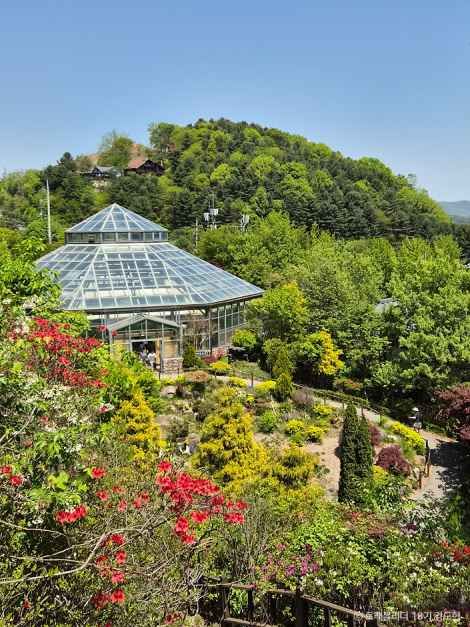
The Garden of Morning Calm is a landscaped garden in Gapyeong, known for its carefully designed plant collections and seasonal scenery.
Visitors can explore garden paths, flower displays, wooded areas, and landscaped spaces.
The garden changes throughout the year. Spring flowers, summer greenery, autumn foliage, and winter lighting events offer different experiences depending on the season.
It is a suitable destination for travelers who enjoy nature, photography, and relaxed outdoor walks.
Travel tip: Allow around 2–3 hours for the garden. Check seasonal opening hours and event schedules before visiting.
6. Namhansanseong Fortress
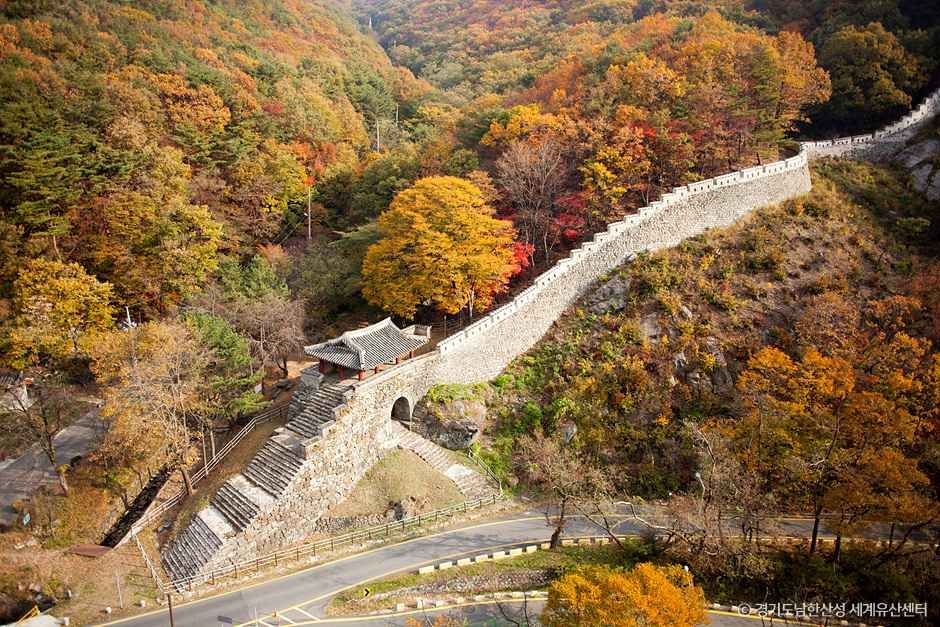
Namhansanseong is a historic mountain fortress southeast of Seoul.
The fortress was developed as a defensive stronghold and is associated with the history of the Joseon Dynasty.
Visitors can explore fortress walls, gates, temples, and walking trails while enjoying views of the surrounding mountains.
The area is recognized as a UNESCO World Heritage Site and offers a combination of Korean history and outdoor activities.
Travel tip: Wear comfortable walking shoes. Some routes include uphill sections and uneven surfaces. Allow around 2–4 hours depending on your walking route.
7. Dumulmeori
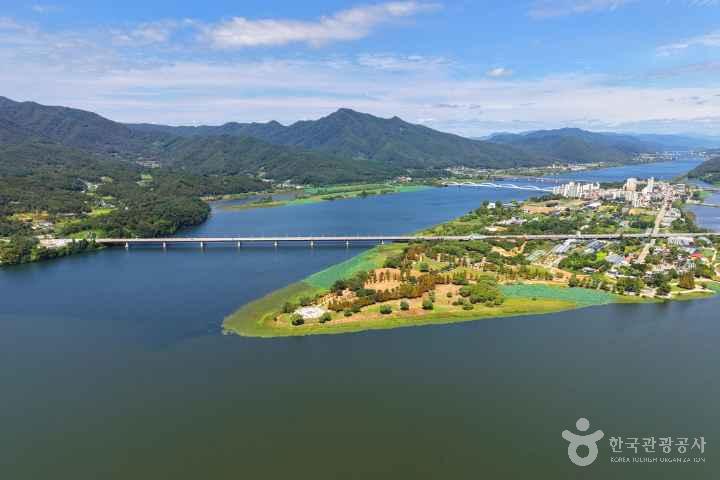
Dumulmeori is a scenic riverside destination in Yangpyeong, where the Bukhangang and Namhangang rivers meet.
The area is known for its riverside landscape, tree-lined paths, photography spots, and peaceful atmosphere.
Visitors can enjoy a walk near the water, take photographs, and explore nearby cafés and local attractions.
Dumulmeori is especially popular for its natural scenery and seasonal views.
Travel tip: Allow around 1–2 hours for a short visit. It can be combined with other nearby Yangpyeong attractions for a longer day trip.
8. Gwangmyeong Cave
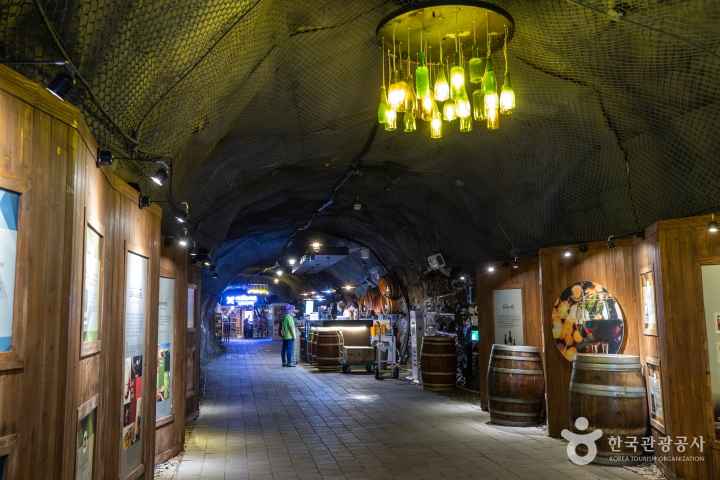
Gwangmyeong Cave is a former mine transformed into a cultural and visitor attraction.
The underground space features exhibitions, themed displays, lighting installations, and historical information about the mine.
It provides a different experience from Gyeonggi-do’s outdoor attractions and can be a useful option during hot or rainy weather.
Some areas may have stairs, uneven surfaces, or cooler temperatures than outside.
Travel tip: Allow around 1.5–2.5 hours for a visit. Check current opening hours, admission information, and access conditions before traveling.
Food to Try in Gyeonggi-do
Gyeonggi-do has a wide variety of regional food traditions, from traditional Korean meals to local specialties.
Consider trying:
- Suwon galbi: Grilled beef ribs associated with Suwon.
- Korean traditional meals: Rice, soup, and side dishes served together.
- Local market food: Snacks and prepared dishes available in traditional markets.
- Seasonal dishes: Regional ingredients and seasonal menus vary by area.
Food specialties differ across the province. Suwon, Yongin, Gapyeong, Paju, and Yangpyeong each offer different dining experiences.
Check restaurant menus and prices before ordering, especially if you have dietary restrictions.
How to Get Around Gyeonggi-do
Gyeonggi-do surrounds Seoul, but transportation options vary considerably between cities and rural areas.
By subway and regional rail: Some destinations, including Suwon and parts of the Seoul metropolitan area, are accessible by subway or regional rail. Check the closest station and onward transportation.
By bus: Regional and local buses connect many towns and attractions. Routes, frequency, and operating hours vary by destination.
By taxi: Taxis are useful for connecting stations with attractions, especially when public transportation is limited.
By car: Driving can be convenient for visiting several attractions in one day, particularly in rural areas such as Gapyeong and Yangpyeong.
Travel tip: Do not assume that attractions in Gyeonggi-do are close to one another simply because they are in the same province. Check travel times and plan destinations by geographic area.
How Much Time Do You Need?
Gyeonggi-do is too large to explore thoroughly in one day.
For a short trip, choose one destination:
- Half day: Suwon Hwaseong, Dumulmeori, or Gwangmyeong Cave.
- Full day: Everland, Korean Folk Village, or a planned DMZ-area visit.
- Two or more days: Combine destinations in different parts of Gyeonggi-do, such as Suwon and Yongin or Gapyeong and Yangpyeong.
If you are staying in Seoul, Gyeonggi-do is suitable for day trips and longer excursions. Choose destinations based on transportation, travel time, and your interests.
Why Visit Gyeonggi-do?
Gyeonggi-do offers a wide range of experiences within easy reach of Seoul.
Visitors can explore Korean history at Suwon Hwaseong and Namhansanseong, experience traditional culture at Korean Folk Village, enjoy theme park entertainment at Everland, or discover riverside landscapes and gardens.
The province is particularly useful for travelers who want to see more of Korea without traveling far from the capital.
For a smoother trip, choose attractions in the same area, check public transportation schedules, and confirm current opening hours and access information before visiting.