Suwon is a historic city in Gyeonggi-do, south of Seoul, known for its UNESCO-listed fortress, traditional architecture, local food, and lively streets.
The city is a convenient destination for travelers interested in Korean history and culture. Its main attractions include Suwon Hwaseong Fortress, Hwaseong Haenggung Palace, traditional markets, and the historic streets around Haenggung-dong.
Suwon can be visited as a day trip from Seoul, although staying longer allows more time to explore its neighborhoods and food scene.
1. Suwon Hwaseong Fortress
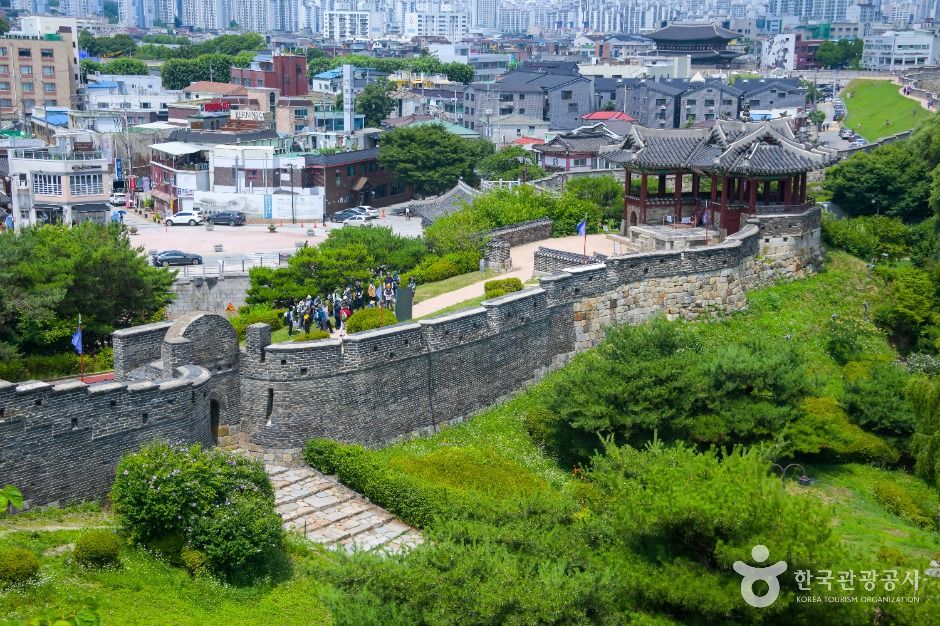
Suwon Hwaseong Fortress is the city’s most famous historic attraction and a UNESCO World Heritage Site.
Built in the late 18th century during the Joseon Dynasty, the fortress features stone walls, gates, watchtowers, and defensive structures surrounding the historic city center.
Visitors can walk along sections of the fortress wall and explore its historic gates and observation points. The route offers views of traditional architecture, surrounding neighborhoods, and the modern city.
The fortress is especially attractive to travelers interested in Korean history and architecture.
Travel tip: Allow around 2–3 hours for a shorter visit or longer if you plan to walk more of the fortress wall. Some sections include stairs and uphill paths.
2. Hwaseong Haenggung Palace
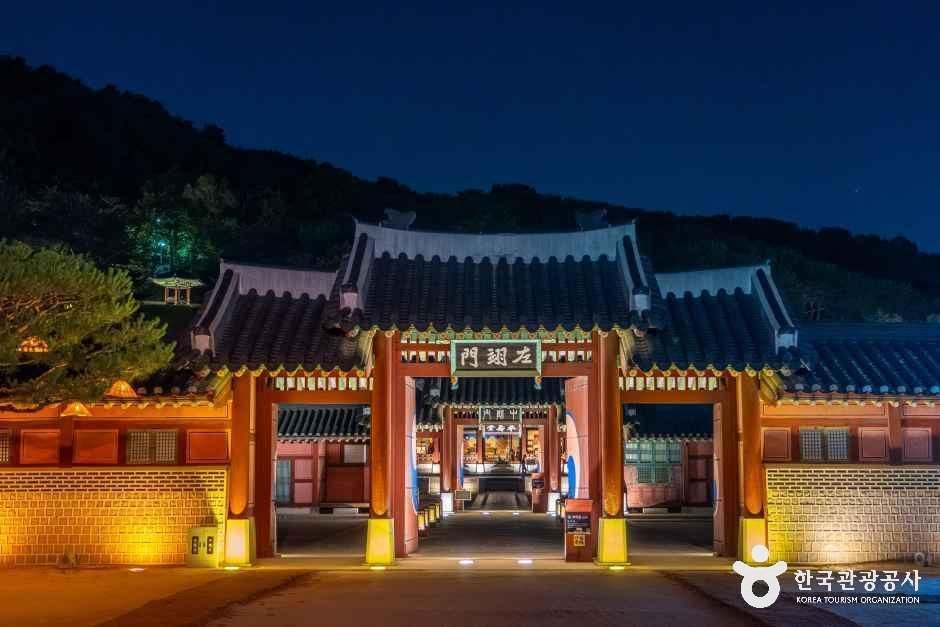
Hwaseong Haenggung Palace is a historic royal palace located within Suwon’s fortress area.
It was used by King Jeongjo during visits to Suwon and is closely connected to the history of Hwaseong Fortress.
Visitors can explore traditional palace buildings, courtyards, and architectural details that reflect royal life during the Joseon Dynasty.
The palace is a useful addition to a fortress visit because it provides more context about the city’s historical importance.
Travel tip: Allow around 1 hour to explore the palace. Check current admission information and any special exhibition schedules before visiting.
3. Haenggung-dong Historic Streets
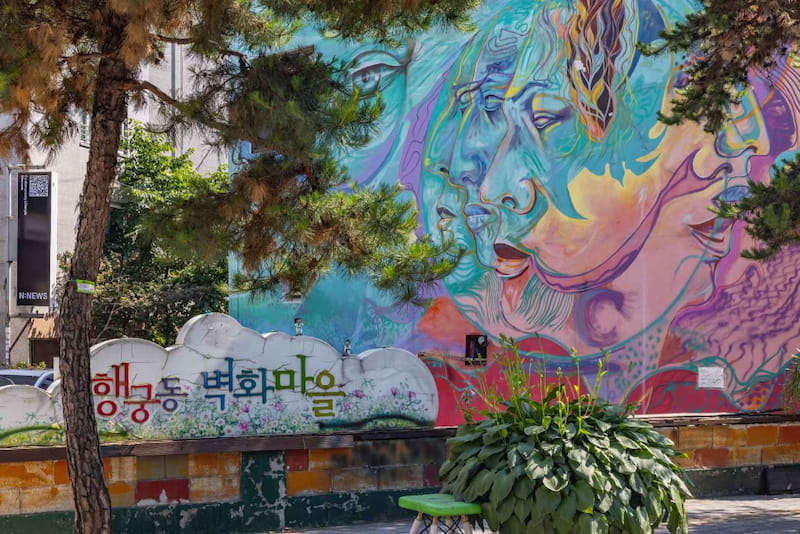
Haenggung-dong is a neighborhood near Hwaseong Haenggung Palace known for its historic atmosphere, small shops, cafés, and renovated buildings.
The area offers a different experience from the fortress itself. Visitors can walk through narrow streets, discover local businesses, and enjoy a break between sightseeing stops.
Some streets feature traditional-style architecture alongside contemporary cafés and creative spaces.
Haenggung-dong is a good place to explore at a relaxed pace and take photographs of Suwon’s urban character.
Travel tip: Visit during the day for cafés and shopping, or later in the afternoon for a relaxed walk. Individual businesses have different opening hours.
4. Suwon Traditional Market
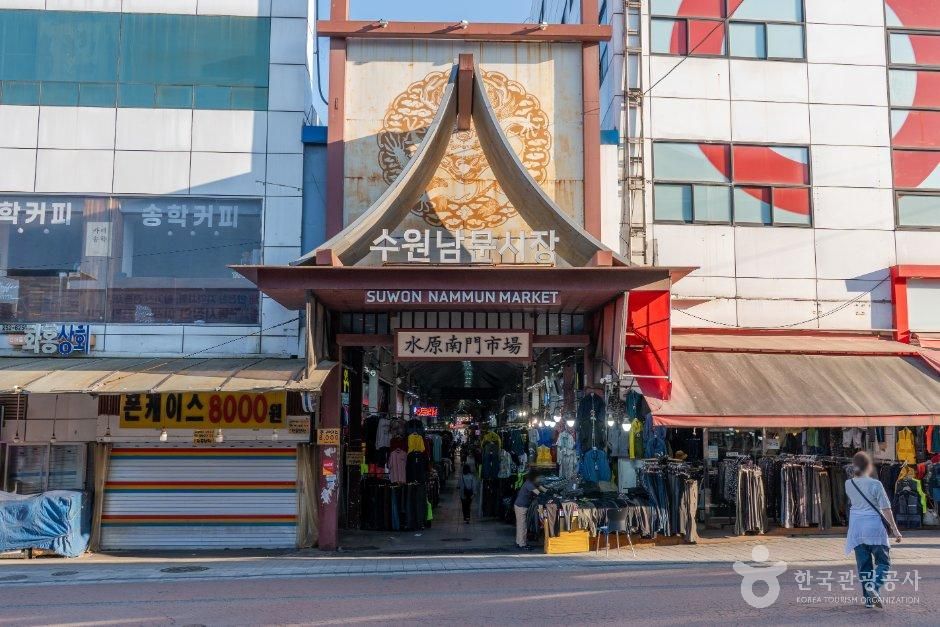
Suwon’s traditional markets offer a chance to experience local shopping and Korean food.
Visitors can explore market streets, browse food stalls, and find everyday goods alongside regional specialties.
Markets are useful for travelers who want to experience a more local side of the city rather than visiting only major historic attractions.
The atmosphere is generally livelier during busy daytime and evening periods, although opening hours vary by market and individual business.
Travel tip: Bring cash as a backup, and check prices before ordering food or purchasing goods.
5. Suwon Starfield Library

Suwon Starfield Library is a contemporary indoor attraction known for its large bookshelves and modern interior design.
The library provides a contrast to Suwon’s historic fortress and traditional neighborhoods.
Visitors can explore the public space, take photographs, and combine the visit with shopping or dining in the surrounding complex.
It is a convenient option during rainy weather or when looking for an indoor stop.
Travel tip: The library is part of a larger commercial complex. Check current access information and opening hours before visiting.
Food to Try in Suwon
Suwon is especially known for its grilled beef ribs, commonly called Suwon galbi.
The city also offers traditional Korean meals, market snacks, and restaurants serving a wide range of regional and international dishes.
Consider trying:
- Suwon galbi: Grilled beef ribs, often served with rice and Korean side dishes.
- Korean set meals: Rice, soup, vegetables, and several side dishes.
- Traditional market snacks: Convenient options for a quick meal while exploring.
- Korean noodles: A casual choice for lunch or a lighter meal.
Restaurant menus, prices, and serving sizes vary. Check the menu before ordering, especially if you have dietary restrictions.
How to Get Around Suwon
Suwon is connected to Seoul and other parts of Gyeonggi-do by regional rail, subway, and bus services.
By subway and regional rail: Suwon Station is a major transportation hub. Train and subway options depend on your departure point in Seoul.
By bus: Local buses connect Suwon Station with the fortress area, palace, and other neighborhoods. Check the route and stop closest to your destination.
By taxi: Taxis are convenient for traveling between the station and attractions, especially when carrying luggage or visiting several places.
On foot: The fortress, palace, and Haenggung-dong area can be explored together on foot. Walking distances and elevation vary depending on your route.
Travel tip: Suwon Station and the historic fortress area are not the same location. Check your destination before choosing a station or bus stop.
How Much Time Do You Need?
Allow one full day to explore Suwon comfortably.
A shorter visit can focus on Hwaseong Fortress, Hwaseong Haenggung Palace, and Haenggung-dong.
For a more relaxed trip, add traditional markets, local restaurants, or indoor attractions.
Suwon is suitable for a day trip from Seoul, but travelers interested in history and food may enjoy staying overnight.
Why Visit Suwon?
Suwon combines Korean history, traditional architecture, local food, and modern urban attractions in one city.
Its fortress and palace provide a strong introduction to the Joseon Dynasty, while Haenggung-dong and traditional markets offer opportunities to experience everyday city life.
For travelers staying in Seoul, Suwon is a practical destination for exploring a historic Korean city beyond the capital.
Before visiting, check current opening hours, admission information, transportation schedules, and access conditions for individual attractions.