Incheon Chinatown and the Open Port Area offer a glimpse into Korea’s modern history, Chinese-Korean food culture, and historic architecture. Located near Incheon Station, these neighborhoods are easy to explore on foot and make a convenient half-day trip from Seoul.
Visitors can walk through colorful Chinatown streets, learn about Incheon’s port history, explore old buildings, and enjoy local food such as jajangmyeon and Chinese-style dumplings.
1. Incheon Chinatown
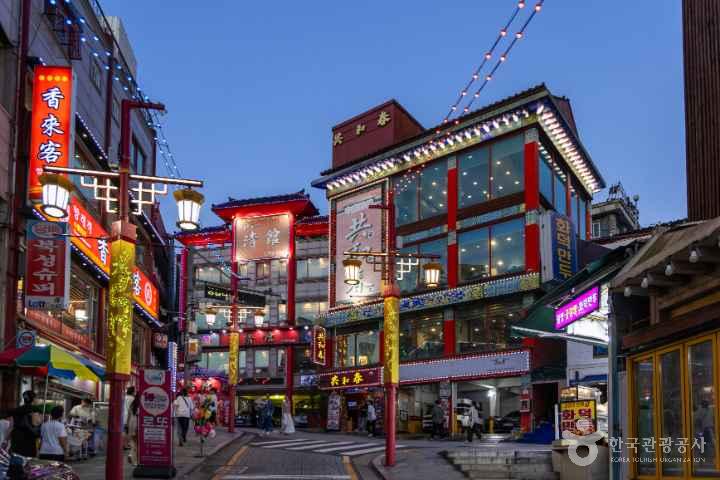
Incheon Chinatown developed after Incheon Port opened in 1883 and Chinese settlement expanded in the following year. Today, the neighborhood is known for its traditional Chinese-style gates, restaurants, murals, and food streets.
The main entrance is near Incheon Station. From there, visitors can walk uphill through streets lined with restaurants and shops.
Look for the traditional Chinese gates, colorful street decorations, and small alleys. The area is especially popular for food and photography.
2. Jjajangmyeon Museum
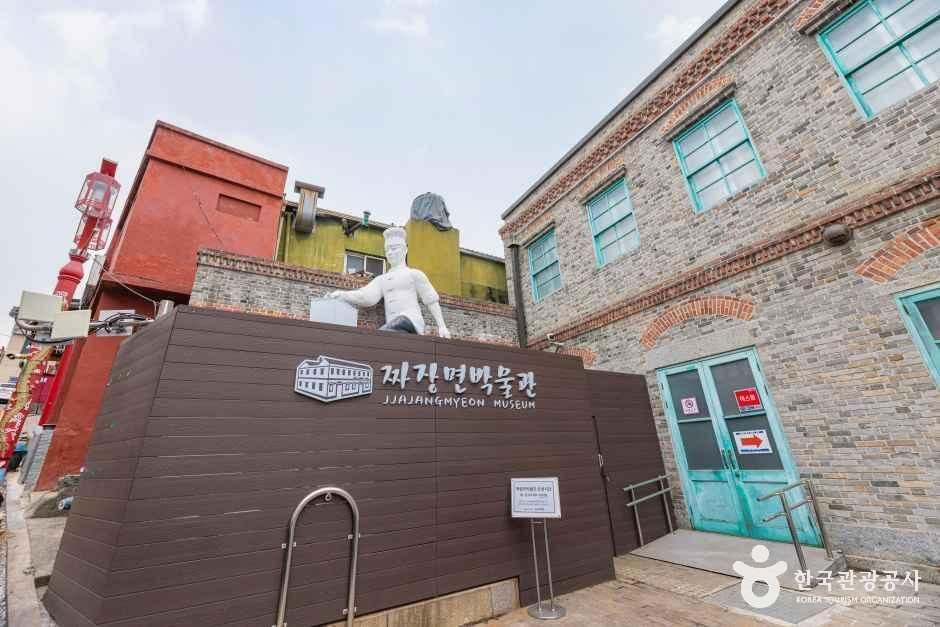
The Jjajangmyeon Museum explains the history of Korea’s famous black-bean-sauce noodles and their connection to Incheon’s port and Chinese immigrant community.
The museum is located in a historic building associated with the early development of jajangmyeon. Exhibitions introduce the dish’s origins, restaurant culture, and changes in its preparation.
It is a useful stop for travelers interested in Korean food history. Check current opening hours and admission information before visiting.
3. Open Port Historic Area
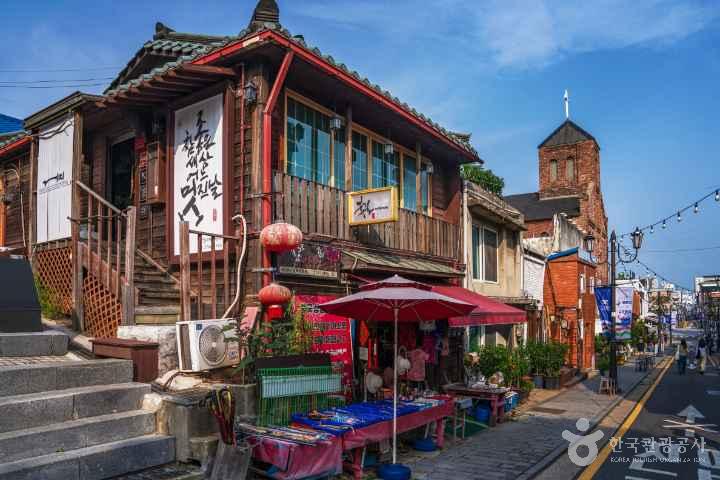
The Open Port Area preserves buildings and streets connected to Incheon’s development as an international port in the late 19th century.
Visitors can see historic architecture, former commercial buildings, museums, and renovated spaces now used for cultural exhibitions.
The area provides a different atmosphere from Chinatown’s restaurant streets. It is a good place to walk slowly, photograph historic buildings, and learn about Incheon’s role in Korea’s modern history.
4. Cheongil Jogyeji Stairway
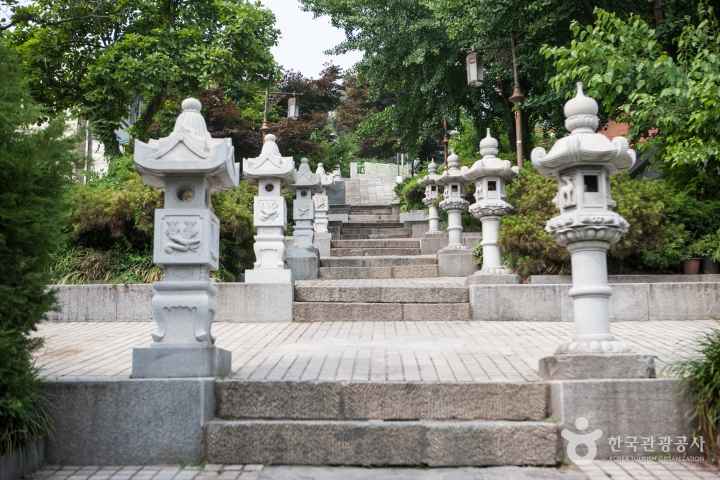
The Cheongil Jogyeji Stairway marks the historic boundary between the former Chinese and Japanese settlement areas.
The stairway is a distinctive outdoor landmark, with different architectural and cultural influences on either side.
Walk up the steps to see the boundary area and nearby historic streets. The stairs also connect Chinatown with the surrounding Open Port Area.
5. Jayu Park
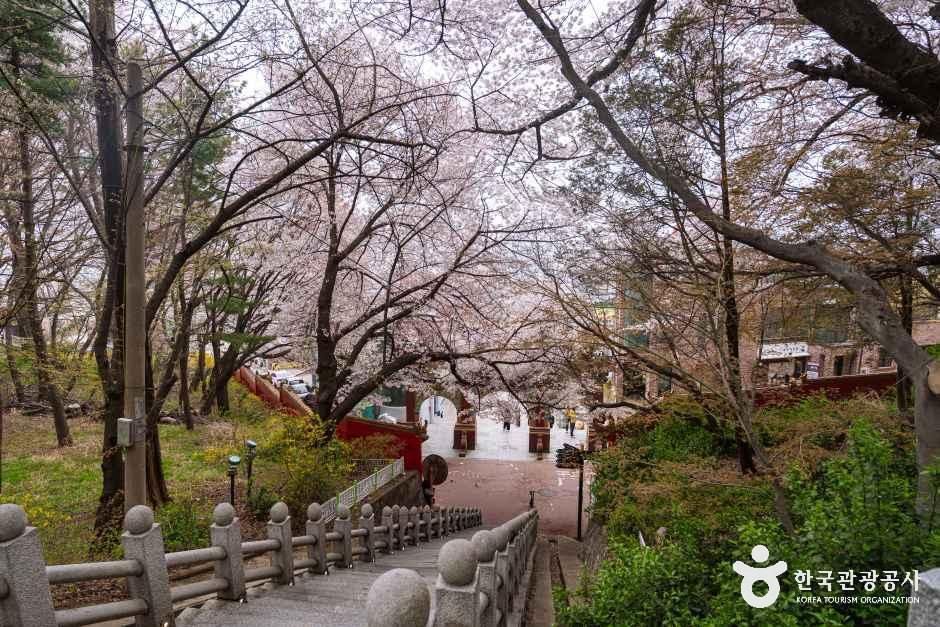
Jayu Park, also known as Freedom Park, is a hillside park above the Open Port Area.
The park offers walking paths, greenery, and views of Incheon’s port and surrounding city. It is a pleasant place to take a break after exploring the busy streets below.
Visitors can reach the park by walking uphill from Chinatown or the Open Port Area. Some paths include stairs and slopes.
6. Songwol-dong Fairy Tale Village
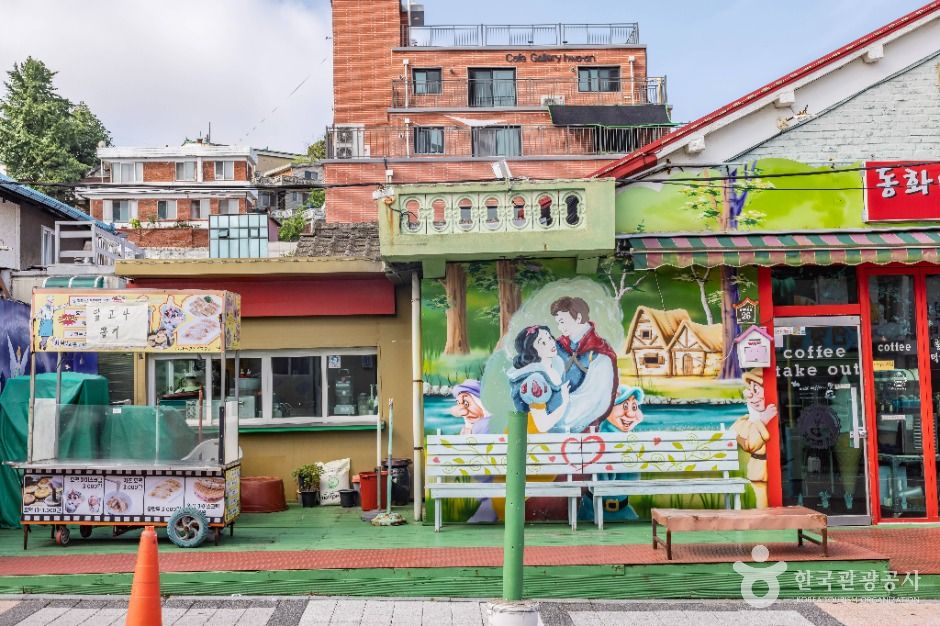
Songwol-dong Fairy Tale Village is a neighborhood decorated with colorful murals, painted walls, and storybook-themed street art.
It is located near Chinatown and can be visited as part of the same walking route.
The village is popular for photography, especially for families and visitors who enjoy colorful streets. Remember that it is also a residential neighborhood, so keep noise low and avoid entering private property.
Food to Try in Incheon Chinatown
Incheon Chinatown is known for Korean-Chinese dishes and local street snacks.
- Jajangmyeon: Noodles served with a savory black bean sauce.
- Jjamppong: Spicy seafood noodle soup.
- Chinese-style dumplings: Often steamed, fried, or baked.
- Gonggal-ppang: A hollow, crispy bread with a sweet filling.
- Baek-jajangmyeon: A version of jajangmyeon made without the usual dark sauce.
Restaurant menus, prices, and serving sizes vary. Check the menu before ordering, especially if you have dietary restrictions.
How to Get to Chinatown and the Open Port Area
By subway: Take Seoul Subway Line 1 toward Incheon and get off at Incheon Station. Chinatown is directly across from the station entrance.
From Seoul: The journey takes longer than visiting central Seoul attractions. Check the current subway route and travel time before departure.
On foot: Chinatown, the Open Port Area, the boundary stairway, Jayu Park, and Songwol-dong Fairy Tale Village can be combined into a walking route. Expect hills and stairs around the park and historic streets.
By taxi: Taxis are useful if you prefer to avoid uphill walking or are traveling with luggage.
How Much Time Do You Need?
Allow around 3–4 hours to explore Chinatown, the Open Port Area, the stairway, Jayu Park, and Songwol-dong Fairy Tale Village.
Add extra time if you plan to visit the Jjajangmyeon Museum, stop for a full meal, or explore the museums and historic buildings in more detail.
Why Visit Incheon Chinatown and the Open Port Area?
This area combines food, cultural history, and walkable attractions in one neighborhood.
It is a good choice for travelers who want to experience a different side of Incheon beyond the airport and modern waterfront districts. The nearby attractions can be explored together without needing a long-distance transfer.
Before visiting, check museum opening hours, admission fees, and current transport information. Streets and outdoor areas are generally accessible, but individual attractions may have different operating schedules.