Incheon is a coastal city west of Seoul, known for its international airport, historic port, modern waterfront, and nearby islands. It is a convenient destination for travelers arriving in Korea, planning a day trip from Seoul, or exploring the country’s west coast.
From the historic streets of Chinatown and the Open Port area to Songdo’s modern skyline and Ganghwa Island’s cultural heritage, Incheon offers several different travel experiences.
This Incheon travel guide introduces the city’s major attractions, local food, transportation, and practical tips for planning a visit.
1. Incheon Chinatown
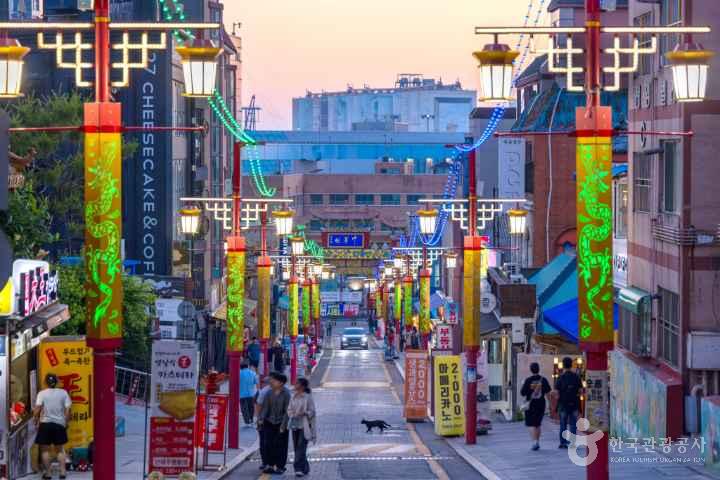
Incheon Chinatown is one of the city’s best-known cultural areas, located near the historic port in Jung-gu.
The neighborhood is known for its Chinese-style gates, colorful streets, restaurants, and connection to the history of Chinese communities in Korea.
Visitors can walk through the main streets, explore traditional-style decorations, and try Chinese-Korean dishes.
What to see and do
- Walk through the Chinatown entrance gate and main streets
- Try jajangmyeon, a Korean-Chinese noodle dish
- Explore nearby historic buildings and cultural streets
- Visit the surrounding Open Port area
Chinatown is easy to combine with Songwol-dong Fairy Tale Village and the historic port district.
2. Incheon Open Port Area
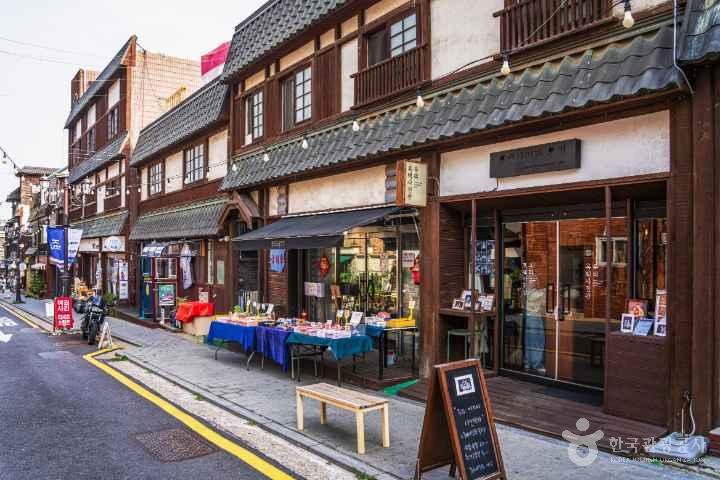
The Incheon Open Port Area is an important historic district where visitors can explore the city’s development as an international port.
The neighborhood contains old buildings, former commercial streets, museums, and cultural spaces associated with Korea’s modern history.
It is a good place for travelers interested in architecture, local history, and walking tours.
What to see and do
- Explore historic streets and preserved buildings
- Visit local museums and cultural exhibitions
- Walk between the Open Port area and Chinatown
- Discover cafés and small shops in renovated buildings
The area is compact and can be explored on foot.
3. Songwol-dong Fairy Tale Village
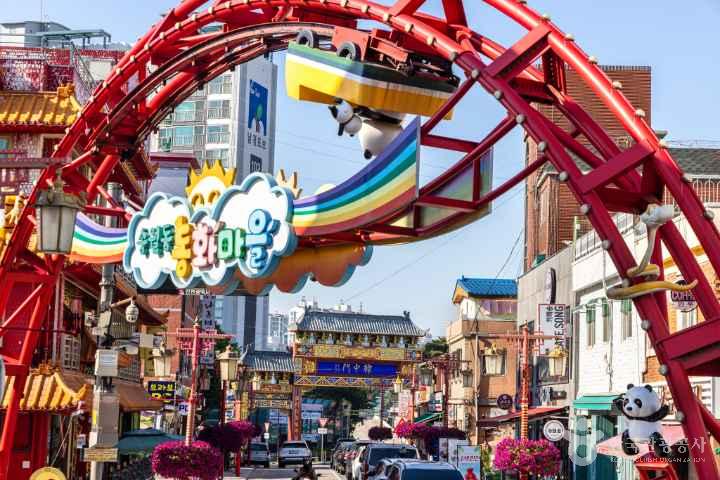
Songwol-dong Fairy Tale Village is a colorful neighborhood near Chinatown, decorated with murals and illustrations inspired by fairy tales.
The streets feature painted walls, themed decorations, and small photo spots.
It is especially popular with visitors looking for a short, relaxed walk and colorful photographs.
The village is relatively small, so it is best visited together with Chinatown rather than planned as a separate full-day destination.
4. Songdo Central Park
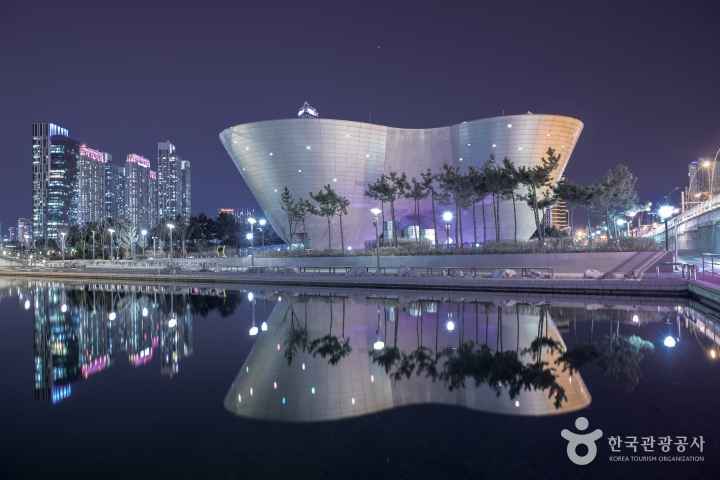
Songdo Central Park is a modern urban park surrounded by high-rise buildings and waterfront developments.
The park features walking paths, landscaped green spaces, and a canal-like waterway. Visitors can enjoy a break from the city streets while viewing Songdo’s contemporary architecture.
What to see and do
- Walk along the park’s waterfront paths
- Enjoy views of Songdo’s modern skyline
- Explore nearby cafés and restaurants
- Check available boat activities and seasonal facilities
Songdo is a good choice for travelers interested in modern Korean urban development, photography, and relaxed outdoor activities.
5. Wolmido Island
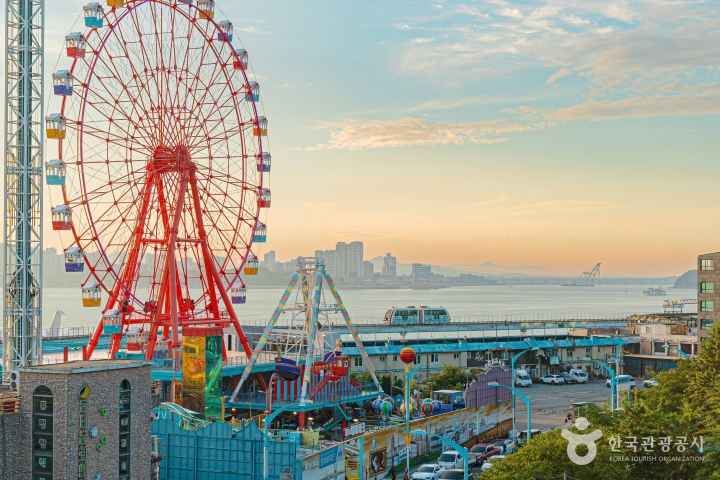
Wolmido is a waterfront destination in western Incheon, known for its seaside promenade, restaurants, and amusement attractions.
Visitors can walk along the coast, enjoy sea views, and explore the entertainment area.
Wolmido is particularly suitable for a relaxed afternoon or evening visit.
What to see and do
- Walk along the waterfront promenade
- Enjoy views of the sea and nearby harbor
- Visit the amusement attractions
- Try seafood and local street food
The island area is also a convenient stop for travelers exploring Chinatown and the Open Port district.
6. Ganghwa Island
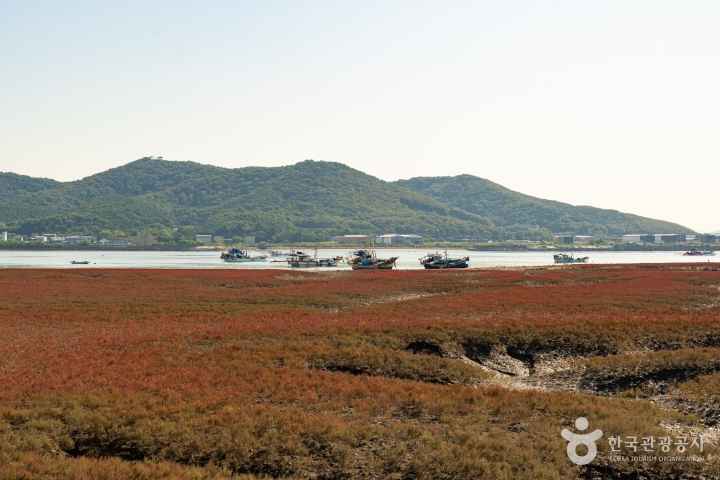
Ganghwa Island is a historic and natural destination northwest of central Incheon.
The island is known for prehistoric dolmens, Buddhist temples, historic fortifications, and coastal scenery.
It offers a different experience from the urban attractions of central Incheon and Songdo.
What to see and do
- Explore historic sites and traditional temples
- Visit Ganghwa’s prehistoric dolmen heritage
- Enjoy rural landscapes and coastal views
- Discover local markets and regional food
Ganghwa is spread out, so travelers should plan transportation carefully. A car is convenient for visiting several attractions in one day.
7. Jeondeungsa Temple
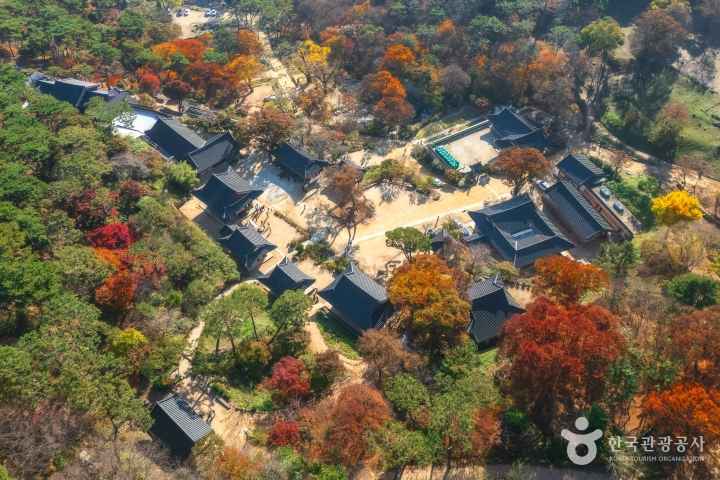
Jeondeungsa Temple is a historic Buddhist temple located on Ganghwa Island within the area of Samrangseong Fortress.
The temple is surrounded by forest and traditional architecture, making it a peaceful place to explore.
Visitors can walk around the temple grounds, observe Buddhist buildings, and enjoy the natural setting.
It is a good destination for travelers interested in Korean temples, history, and quiet outdoor experiences.
8. Yeongjong Island and the Airport Area
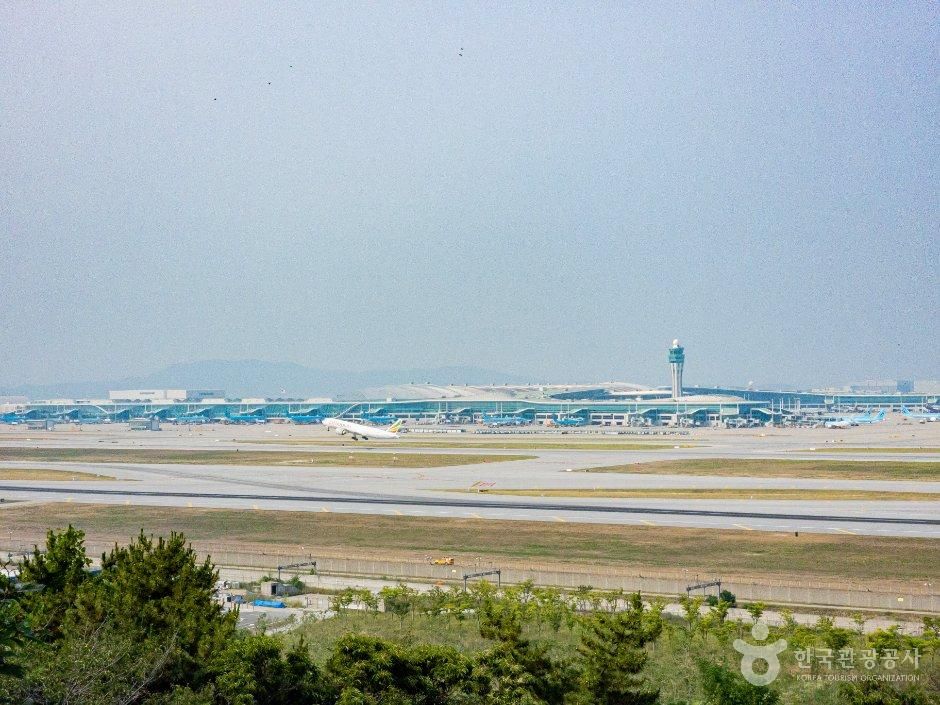
Yeongjong Island is home to Incheon International Airport and several coastal and resort attractions.
The island is convenient for travelers who have a long layover, arrive late, or want to stay near the airport before continuing their journey.
Depending on the location, visitors can explore waterfront areas, cafés, beaches, and resort facilities.
Travelers should check access and transportation before visiting individual attractions, as the island is large and facilities are spread out.
Food to Try in Incheon
Incheon has a varied food culture influenced by its port history, Chinese-Korean cuisine, seafood, and traditional markets.
Jajangmyeon: Korean-Chinese noodles served with a savory black bean sauce. Incheon Chinatown is closely associated with the history of this dish in Korea.
Seafood: Fresh fish, shellfish, and seafood dishes are available around coastal areas and traditional markets.
Dakgangjeong: Sweet and crispy Korean fried chicken, commonly found in market food areas.
Korean-Chinese dishes: Try dishes such as jjamppong, a spicy seafood noodle soup, and tangsuyuk, Korean-style sweet and sour pork.
Food options vary by neighborhood, so travelers can combine Chinatown dining with seafood restaurants near the coast.
How to Get Around Incheon
Airport Railroad: The Airport Railroad connects Incheon International Airport with central Seoul and other stations along the route. It is useful for travelers arriving in Korea or transferring between airport and city destinations.
Subway: Incheon has subway services connecting major urban areas, including parts of central Incheon and Songdo. Subway travel is convenient within connected districts but does not reach every island or coastal attraction.
Local buses: Buses serve many neighborhoods and destinations outside the subway network. Travelers should check routes and departure times before visiting areas such as Ganghwa Island.
Taxi: Taxis are useful for short trips, transfers between nearby attractions, and destinations with limited public transportation.
Rental car: A rental car is especially convenient for exploring Ganghwa Island, coastal areas, and multiple destinations outside central Incheon.
How Much Time Do You Need?
Half a day: Explore Chinatown, Songwol-dong Fairy Tale Village, and the Open Port Area.
One full day: Combine the historic district with Songdo Central Park or Wolmido.
Two days: Explore central Incheon and Songdo on the first day, then visit Ganghwa Island or Yeongjong Island on the second.
Travelers with limited time should choose attractions within the same area because Incheon is geographically spread out.
Why Visit Incheon?
Incheon offers a combination of historic neighborhoods, modern urban landscapes, coastal attractions, and island experiences.
It is particularly useful for travelers arriving through the international airport, visiting Seoul, or looking for a destination with a different atmosphere from Korea’s capital.
Whether exploring Chinatown, walking around Songdo Central Park, enjoying the waterfront at Wolmido, or discovering the history of Ganghwa Island, Incheon provides several ways to experience Korea’s coastal culture and urban development.
Before visiting, check current transportation schedules, attraction operating hours, and access conditions, especially for island destinations.