Yangdong Village is one of Korea’s best-preserved traditional villages, located northeast of central Gyeongju. Recognized as a UNESCO World Heritage Site, it preserves the architecture, landscape, and family traditions of the Joseon Dynasty.
Unlike a reconstructed folk village, Yangdong is a historic residential community where traditional houses and descendants of the original families remain. Visitors can walk through narrow village paths, see traditional tiled-roof and thatched-roof houses, and learn about the lives of Korean aristocratic families and ordinary residents in the past.
For travelers interested in Korean history, traditional architecture, and rural scenery, Yangdong Village offers a different experience from Gyeongju’s Silla-era attractions.
1. Yangdong Traditional Village
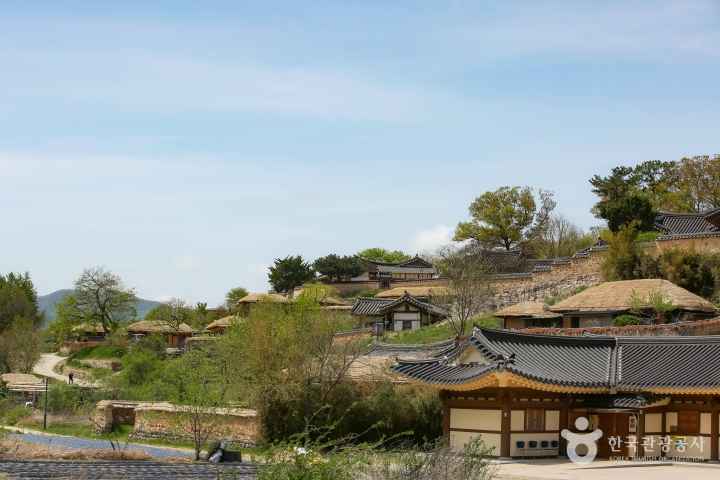
Yangdong Village developed during the Joseon Dynasty and is associated with two prominent Korean family clans: the Gyeongju Son and Yeogang Yi families.
The village is built along wooded hills and valleys, with traditional houses arranged according to the surrounding landscape. Large tiled-roof residences belonged mainly to aristocratic families, while smaller thatched-roof homes reflect the lives of ordinary villagers.
The village was inscribed on the UNESCO World Heritage List in 2010 together with Hahoe Village in Andong as part of the Historic Villages of Korea.
What to See in Yangdong Village
- Traditional Tiled-Roof Houses: Explore the exterior architecture of historic upper-class residences.
- Thatched-Roof Houses: See traditional homes that reflect the everyday lives of ordinary people.
- Village Alleys: Walk along narrow paths connecting houses, courtyards, and hillsides.
- Traditional Landscape: Enjoy views of old houses surrounded by wooded hills and farmland.
The village is spread across several hills, so visitors should expect some uphill and downhill walking.
2. Seobaekdang House
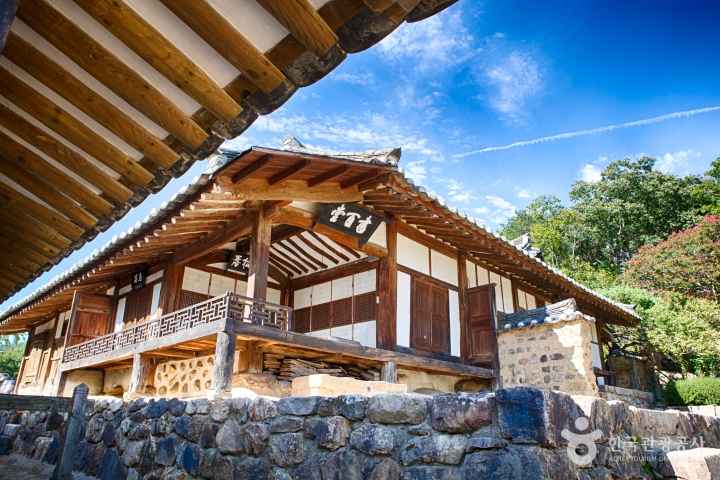
Seobaekdang is one of the most important historic residences in Yangdong Village. It is associated with the Gyeongju Son family and is recognized for its historical and architectural value.
The house complex includes traditional wooden buildings and a courtyard that reflects the layout of an upper-class Joseon-era residence.
A notable feature is the old juniper tree behind the main house, which adds to the historic atmosphere of the property.
Visitors can appreciate the traditional architecture from permitted viewing areas. Access to private residential spaces is restricted.
3. Mucheomdang House
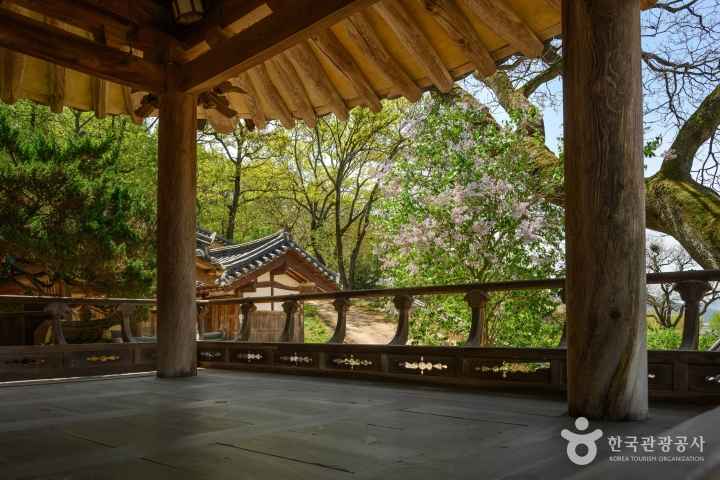
Mucheomdang is a historic residence associated with Yi Eon-jeok, a prominent Confucian scholar and government official of the Joseon Dynasty.
The property is known for its traditional wooden architecture and spacious guest-reception area. It provides a glimpse into the lifestyle and social customs of a wealthy Joseon-era family.
Look for the traditional wooden structure and the arrangement of the buildings around the courtyard.
4. Hyangdan House
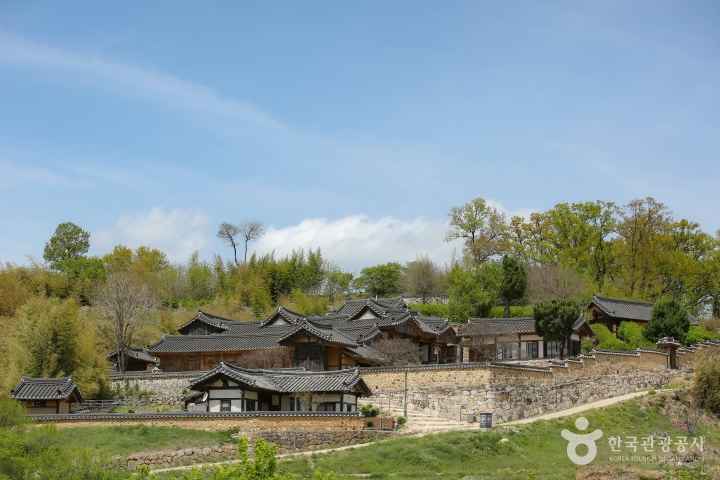
Hyangdan is another important historic residence in Yangdong Village. It is known for its distinctive architectural layout, which differs from the more familiar arrangement of traditional Korean houses.
The complex reflects the status and lifestyle of an influential Joseon-era family. Its arrangement of buildings and courtyards makes it an interesting place for visitors who want to understand traditional Korean residential architecture.
Observe the buildings from the designated public viewing areas and respect any restricted entrances.
5. Gwangajeong Pavilion
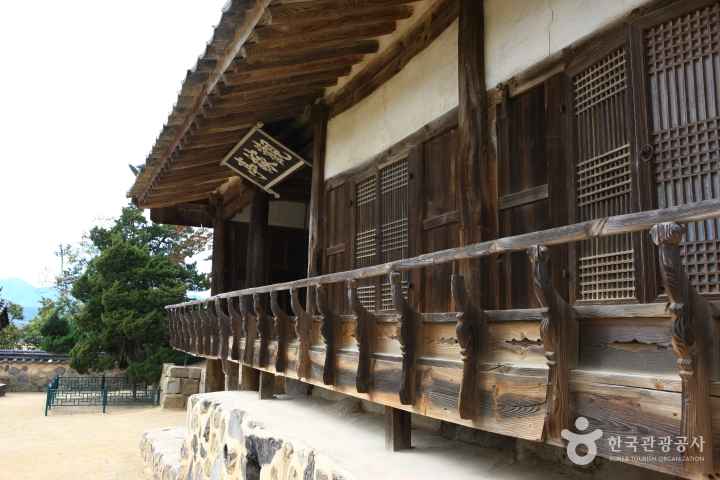
Gwangajeong Pavilion is a traditional wooden pavilion located on elevated ground in the village.
It is valued for its traditional architecture and views over the surrounding landscape. From this area, visitors can appreciate how the village houses, fields, and wooded hills fit together.
It is a good place to pause during a village walk and take photographs of the traditional landscape.
How to Explore Yangdong Village
Yangdong Village has several walking routes connecting its historic houses and surrounding hills.
A practical route for first-time visitors is:
- Begin at the village entrance and visitor information area.
- Walk through the main village paths and observe the traditional houses.
- Visit the Seobaekdang and Mucheomdang areas.
- Continue toward Hyangdan House and Gwangajeong Pavilion if access permits.
- Return to the entrance along the marked paths.
Allow around 2–3 hours for a visit, depending on your walking pace and the route you choose.
Some paths are steep or uneven, so comfortable walking shoes are recommended.
Food and Local Dining
Yangdong Village is primarily a traditional residential and cultural heritage area rather than a large restaurant district.
Food options inside and around the village may be limited, so it is practical to eat before arriving or plan a meal in central Gyeongju.
Some Korean dishes worth trying during your Gyeongju trip include:
- Ssambap: Rice and side dishes served with fresh leafy vegetables for wrapping.
- Korean Set Meals: Rice, soup, and a variety of traditional side dishes.
- Grilled Fish: A popular Korean meal often served with rice and side dishes.
- Traditional Snacks: Look for locally available Korean sweets and refreshments.
Restaurant availability and opening hours around the village may vary.
How to Get to Yangdong Village
Yangdong Village is located approximately 16 km northeast of central Gyeongju.
From Gyeongju Express and Intercity Bus Terminals
Local buses connect the terminal area with Yangdong Village. Bus 203 is a useful route to check, but not every departure necessarily enters the village itself.
Some other buses stop near the village entrance, from where visitors may need to walk approximately 1.2 km.
Check the destination displayed on the bus and confirm the stop with the driver before boarding. Bus routes and departure times can change, and services are less frequent than in central Gyeongju.
From Singyeongju Station (KTX)
There may not be a convenient direct public bus to the village. Travel toward central Gyeongju and transfer at the bus terminal, or take a taxi for a more direct journey.
By Taxi or Rental Car
A taxi or rental car is a convenient option for visitors who want to save travel time or combine Yangdong Village with other destinations outside central Gyeongju.
Free parking is available near the village entrance.
Visitor Information
| Information | Details |
|---|---|
| Location | Gangdong-myeon, Gyeongju |
| Opening hours (Apr–Sep) | 09:00–19:00 |
| Opening hours (Oct–Mar) | 09:00–18:00 |
| Last admission | 1 hour before closing |
| Adult admission | ₩4,000 |
| Teenagers | ₩2,000 |
| Children | ₩1,500 |
| Parking | Available, free |
| Closed days | Open year-round |
Important Visitor Rules
- Yangdong Village is a living residential community, not just an outdoor museum.
- Do not enter private houses or courtyards without permission.
- Follow signs indicating which historic buildings are open to visitors.
- Keep noise low and avoid disturbing residents.
- Respect restricted areas and private property.
Operating hours and admission fees may change. Check the latest visitor information before your trip.
How Much Time Do You Need?
| Visit Plan | Recommended Time |
|---|---|
| Short village walk | 1 hour |
| Main historic houses and village paths | 2–3 hours |
| Extended walk and photography | 3–4 hours |
For most first-time visitors, 2–3 hours is a reasonable amount of time to explore the main village area.
Why Visit Yangdong Village?
Yangdong Village offers an opportunity to experience a different period of Korean history from the Silla heritage found throughout central Gyeongju.
Its traditional houses, family residences, narrow paths, and surrounding natural landscape reveal how people lived during the Joseon Dynasty.
For international travelers interested in Korean architecture, Confucian traditions, and historic communities, Yangdong Village is a worthwhile cultural destination to include in a Gyeongju itinerary.