The Saha-gu Busan Travel Guide introduces a different side of Busan, where wide sandy beaches, migratory bird habitats, coastal viewpoints, and hillside neighborhoods come together. Located in western Busan, Saha-gu is ideal for travelers who enjoy nature, photography, and local culture away from the city’s busiest beach districts.
1. Dadaepo Beach
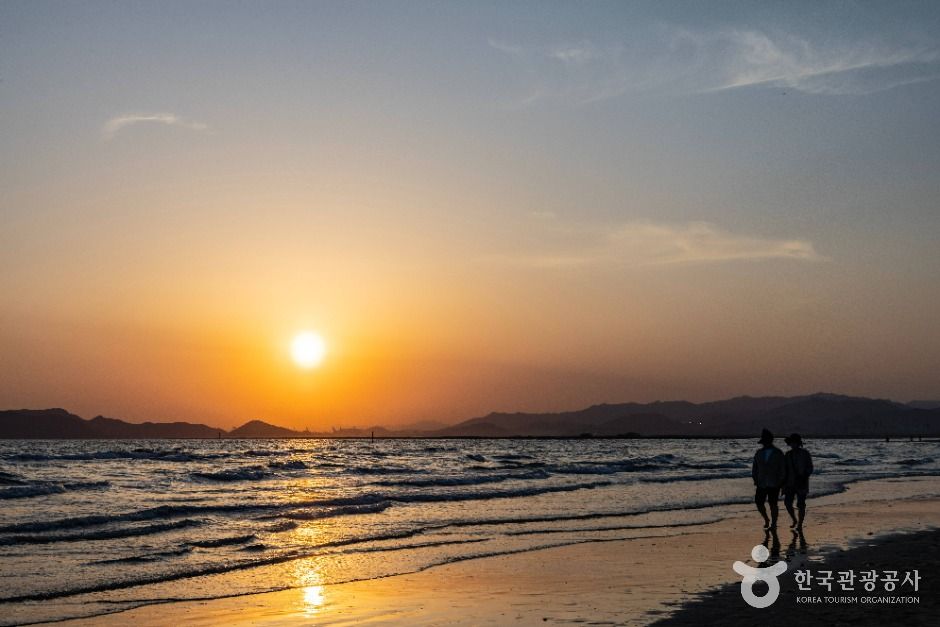
Dadaepo Beach is known for its broad sandy shoreline, open sea views, and colorful sunsets. The nearby beach park has walking paths and open spaces for relaxing.
- Best for: Sunset photography, beach walks, and relaxing outdoors
- Nearest station: Dadaepo Beach Station, Busan Metro Line 1, Exit 2
- Walking time: Approximately 4–8 minutes
- Admission: Free
Visit in the late afternoon to enjoy the beach before sunset. Swimming conditions vary by season, so check local safety notices before entering the water.
2. Eulsukdo Island Ecological Park
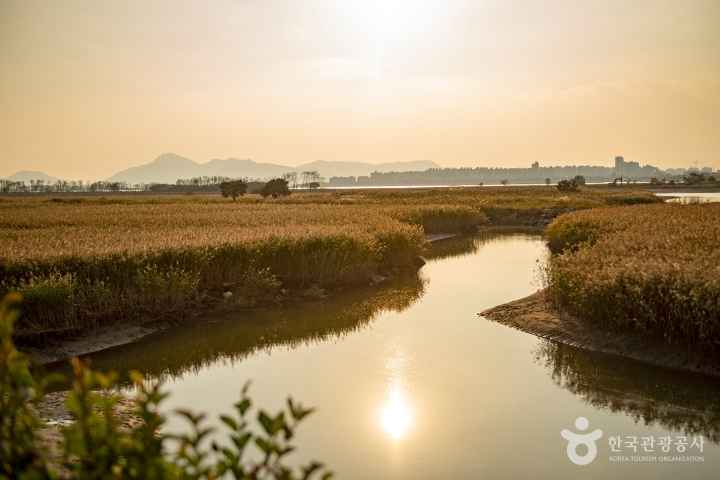
Eulsukdo is a riverside ecological area near the Nakdong River Estuary, known for wetlands, reed beds, and migratory birds. It is a good choice for nature lovers and travelers who prefer quiet walks to crowded attractions.
- Best for: Birdwatching, cycling, and nature photography
- Nearest station: Hadan Station, Busan Metro Line 1
- Getting there: Take a connecting bus toward Eulsukdo Cultural Center
- Admission: Generally free for park areas
Birdwatching is especially rewarding during migration seasons. Some ecological areas have restricted access or closing hours, so follow posted signs and protect wildlife by keeping your distance.
3. Gamcheon Culture Village
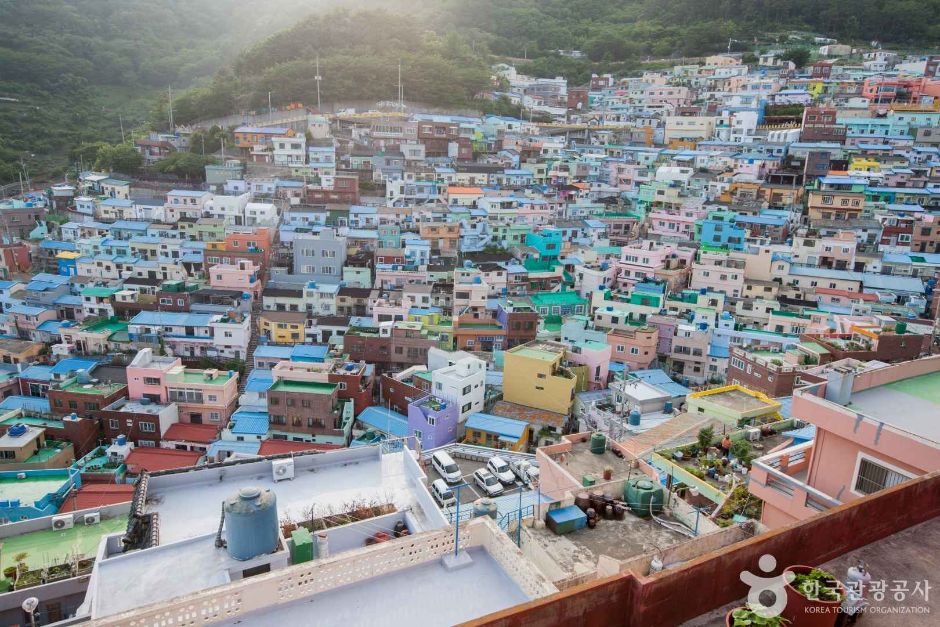
Gamcheon Culture Village is a hillside neighborhood with colorful houses, narrow alleys, stairways, and small art installations. The village developed as a residential community for refugees and others during the Korean War era and later became known for its community-based art projects.
- Best for: Photography, murals, alley walks, and local history
- Nearest station: Toseong Station, Busan Metro Line 1
- Getting there: Transfer to a local village bus toward Gamcheon Culture Village
- Suggested time: 1.5–2 hours
The village is still home to residents. Keep noise low, avoid entering private property, and be considerate when taking photographs.
4. Amisan Observatory
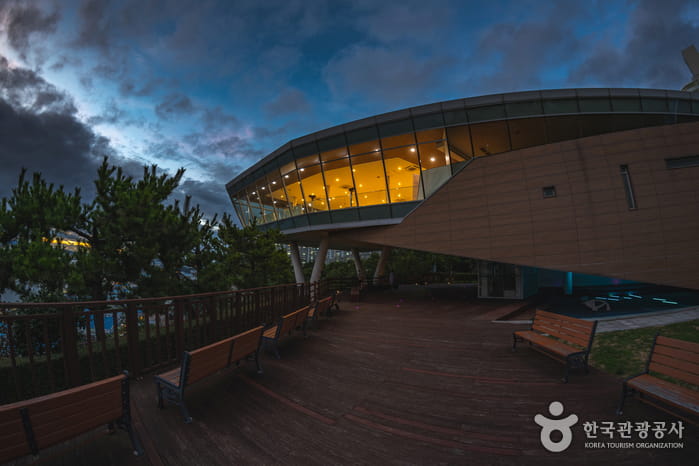
Amisan Observatory overlooks the Nakdong River Estuary, where river channels, sandbars, and the sea create a distinctive landscape. It is particularly appealing around sunset and during periods when the estuary’s scenery changes with the tides.
- Best for: Panoramic views, landscapes, and sunset photography
- Getting there: From Dadaepo Station on Metro Line 1, take a connecting local bus toward the observatory area
- Suggested time: 30–60 minutes
The observatory is a useful stop when exploring the western coast. Check its opening hours before visiting, as it may close on certain days.
5. Morundae Peninsula
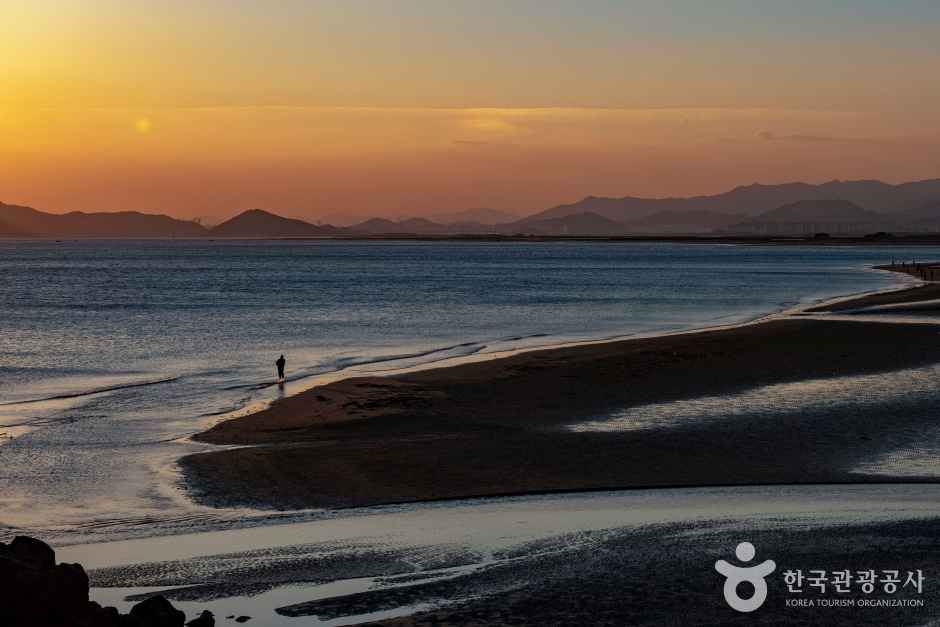
Morundae offers coastal scenery, wooded walking paths, and viewpoints over the sea near Dadaepo. It is a quieter alternative to Busan’s more developed waterfront areas.
- Best for: Coastal walks, nature, and scenic photography
- Location: Near Dadaepo Beach in southern Saha-gu
- Suggested time: 1–2 hours
Wear comfortable walking shoes and check trail conditions before setting out. Some paths may be steep or affected by weather.
Food to Try
Saha-gu has seafood restaurants and neighborhood eateries, especially around the Dadaepo and Hadan areas.
- Grilled fish: A simple Korean seafood meal, often served with rice and side dishes.
- Hoe (Korean-style raw fish): Sliced raw fish served with dipping sauces and vegetables.
- Dwaeji-gukbap: Busan-style pork and rice soup, a filling option for lunch.
- Street snacks: Look for tteokbokki, fish cakes, and other casual Korean snacks near busy shopping streets.
Prices and menus vary by restaurant. Check the menu before ordering, particularly if you have dietary restrictions.
How to Get Around Saha-gu
Busan Metro Line 1 connects several useful areas, including Hadan, Toseong, and Dadaepo Beach. However, the main attractions are spread across the district, so buses are often needed to reach individual sites.
- Dadaepo Beach: Line 1 to Dadaepo Beach Station, then walk.
- Eulsukdo Island: Line 1 to Hadan Station, then take a connecting bus.
- Gamcheon Culture Village: Line 1 to Toseong Station, then take a village bus.
- Amisan Observatory and Morundae: Use local bus connections from the Dadaepo area.
Allow extra travel time when combining attractions. Check current bus routes and the last return service before visiting the more distant coastal areas.
How Much Time Do You Need?
- Half day: Dadaepo Beach and Morundae.
- One day: Eulsukdo Island and Dadaepo Beach, or Gamcheon Culture Village and the coast.
- Two days: Explore the ecological park, hillside village, coastal walks, and sunset viewpoints at a relaxed pace.
Because Saha-gu is spread out, choosing attractions within the same area will reduce travel time.
Why Visit Saha-gu?
Saha-gu offers a mix of natural scenery and local culture that differs from Busan’s high-rise beach districts. From the wide sands of Dadaepo to the wetlands of Eulsukdo and the narrow alleys of Gamcheon Culture Village, it is a rewarding area for travelers who want to explore beyond central Busan.
Before visiting, check current observatory hours, ecological park access restrictions, seasonal attractions, and public transport schedules.