Yeoju is a historic city in Gyeonggi-do, southeast of Seoul, known for royal tombs, Buddhist temples, traditional ceramics, and scenic views along the Namhan River. The city offers a quieter alternative to Seoul while introducing visitors to important parts of Korean history and culture.
Travelers can explore royal heritage, visit a riverside temple, discover Korean pottery, and enjoy peaceful outdoor spaces. In addition, Yeoju makes a practical day trip for visitors who want to experience a different side of Gyeonggi-do.
1. Yeongneung and Nyeongneung Royal Tombs
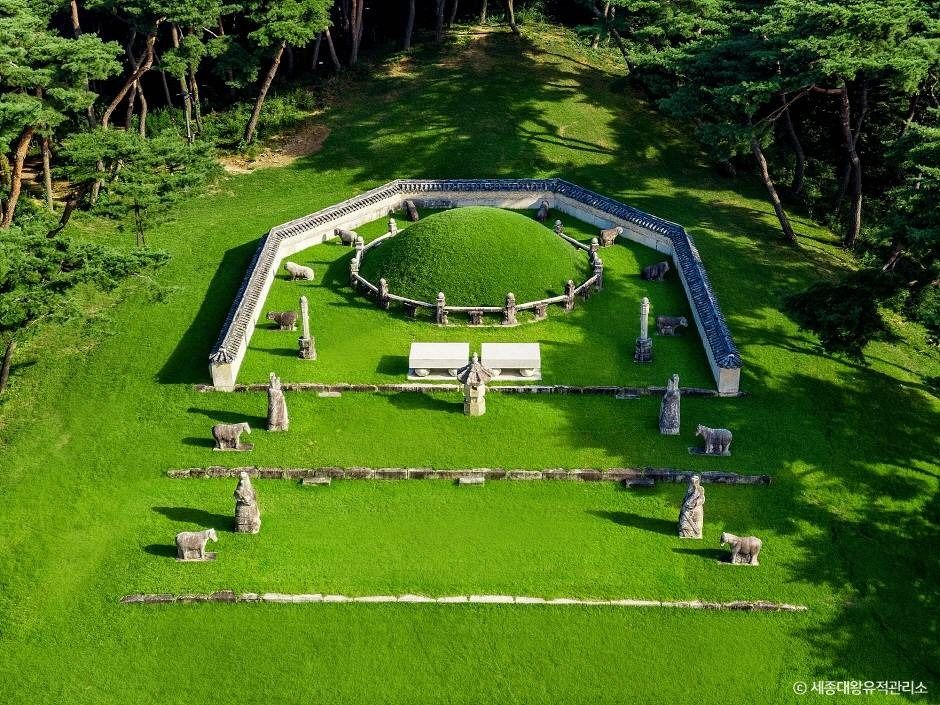
Yeongneung and Nyeongneung are among Yeoju’s most important historical attractions. The site contains the royal tombs of King Sejong, the fourth king of the Joseon Dynasty, and King Hyojong.
King Sejong is especially famous for supporting the creation of Hangul, the Korean alphabet. As a result, his tomb offers an opportunity to learn about one of Korea’s most influential historical figures.
Visitors can walk through wooded paths and explore the peaceful grounds. Meanwhile, the surrounding landscape provides a calm setting away from busy city streets.
Travel tip: Allow time to walk between the entrance, historic areas, and tomb grounds. Comfortable shoes will make the visit easier.
2. Silleuksa Temple
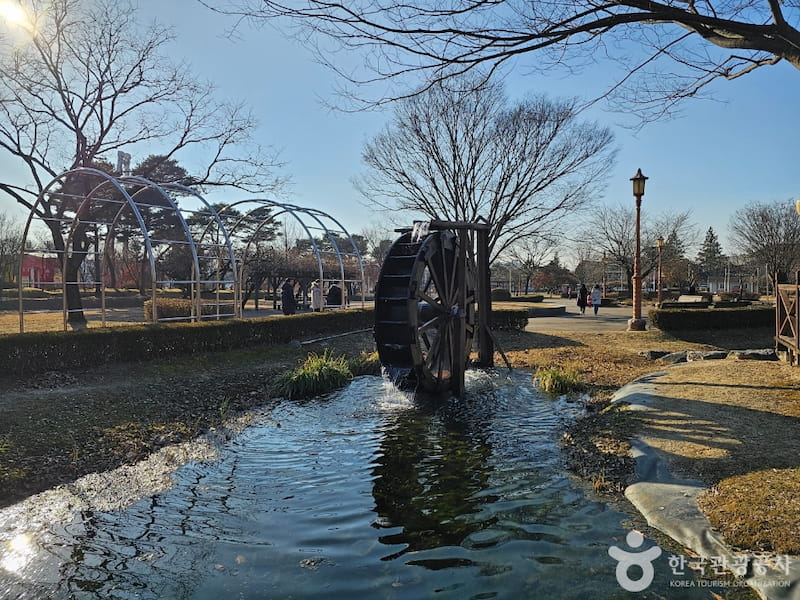
Silleuksa Temple stands beside the Namhan River and offers a different atmosphere from Yeoju’s royal tombs. The temple combines Buddhist architecture, historic structures, and beautiful riverside scenery.
Unlike many mountain temples, Silleuksa sits close to the water. Therefore, visitors can enjoy temple grounds and river views during the same visit.
The temple is a good place to slow down, appreciate traditional architecture, and take photographs. In addition, its riverside location makes it a useful stop for travelers exploring central Yeoju.
Travel tip: Visit during daylight to enjoy the surrounding scenery. However, check the current temple access information before planning your trip.
3. Yeoju Museum
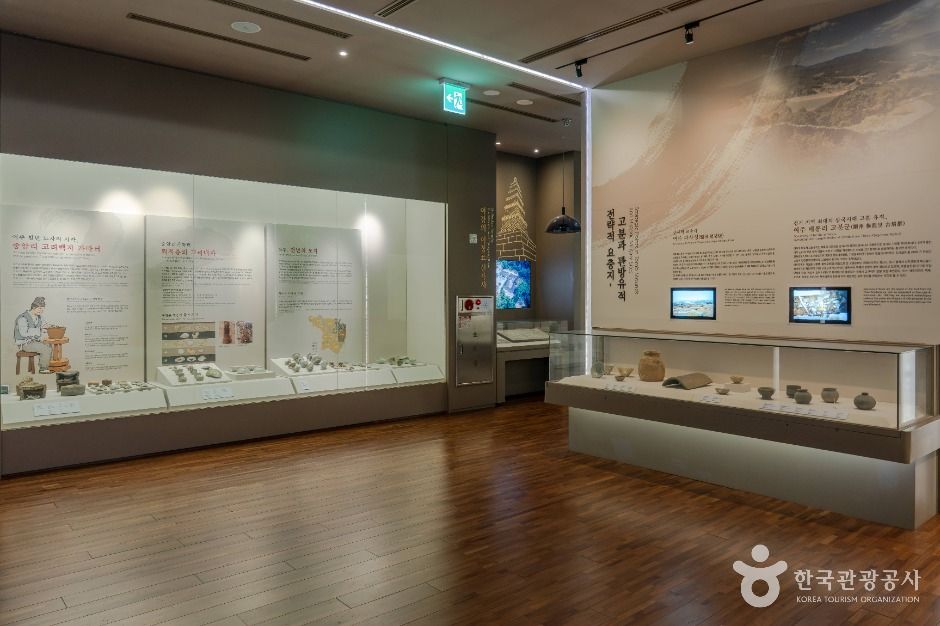
Yeoju Museum introduces the city’s history, culture, and local heritage. Visitors can learn more about the region’s historical development and its connection to Korean traditions.
The museum also provides useful background for exploring nearby attractions. For example, travelers who visit the royal tombs or historic temple can gain a broader understanding of the area through museum exhibits.
Because museum exhibitions and operating schedules may change, check the latest visitor information before your visit.
4. Yeoju Ceramic Art Village
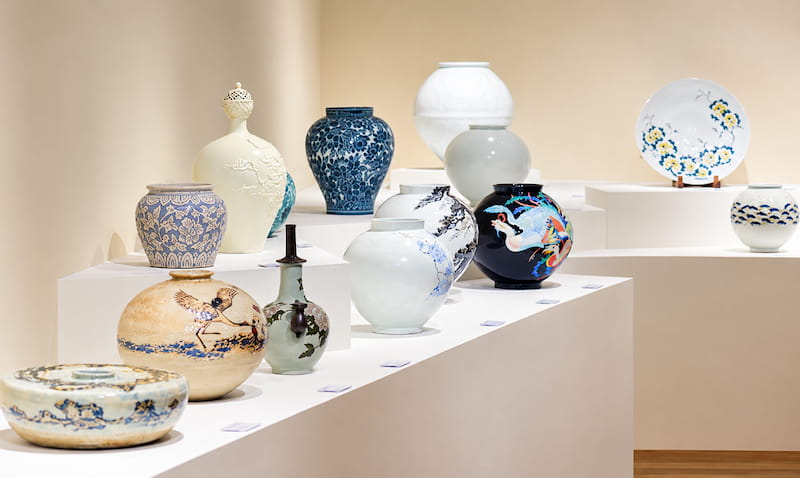
Yeoju has a strong connection to Korean ceramics and traditional pottery. The city’s ceramic culture offers visitors a chance to discover local craftsmanship and artistic traditions.
At Yeoju Ceramic Art Village, travelers can explore pottery-related displays, workshops, and ceramic products, depending on the facilities and programs available.
In addition, the area provides opportunities to learn how Korean pottery connects traditional techniques with contemporary design. Visitors interested in handmade crafts may enjoy browsing ceramic works or participating in available activities.
Travel tip: Workshop participation and shopping options vary by location. Therefore, confirm program availability and opening hours before visiting.
5. Gangcheon Island
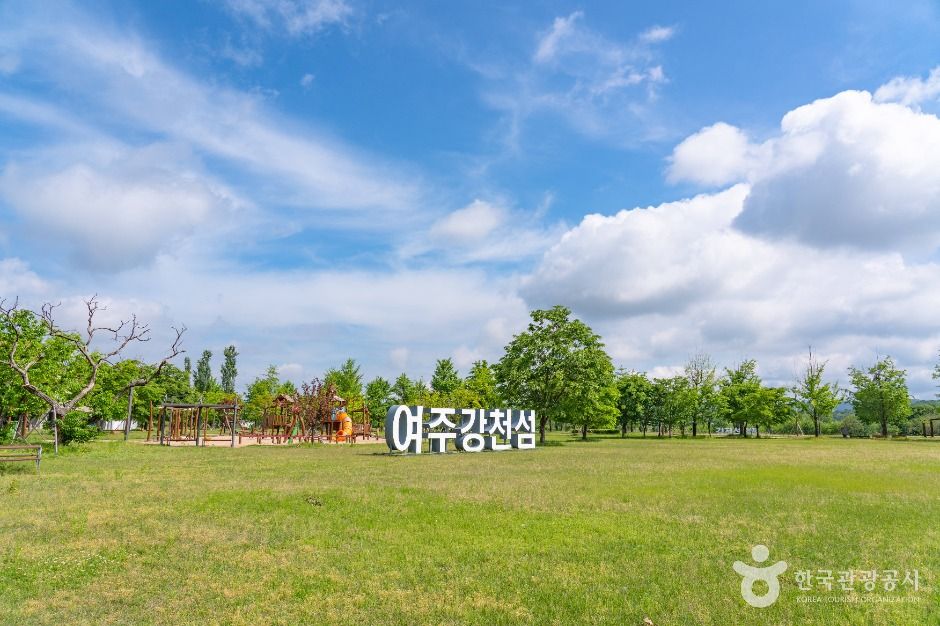
Gangcheon Island offers a relaxing outdoor experience near the Namhan River. The area attracts visitors who enjoy riverside landscapes, open spaces, and leisurely walks.
Unlike Yeoju’s historic attractions, Gangcheon Island focuses on nature and outdoor recreation. Consequently, it provides a pleasant change of pace after visiting royal tombs or temples.
Travelers can enjoy the scenery, take photographs, and spend time outdoors. However, facilities and activities may vary by season, so check local conditions before planning a visit.
Getting Around Yeoju
Yeoju lies southeast of Seoul in Gyeonggi-do. Visitors can reach the city by public transportation or car, depending on their starting point and itinerary.
The Gyeonggang Line connects Yeoju with other parts of the region. However, individual attractions sit at different distances from stations, so travelers should check local bus routes or taxi options before departure.
For a smoother trip, group nearby attractions together. For example, visit the royal tombs and nearby cultural sites on one part of the day, then explore Silleuksa Temple and the riverside area separately.
Travelers who plan to visit several attractions may find a car or taxi more convenient. Meanwhile, public transportation works well for visitors who build their itinerary around available routes and schedules.
Recommended Visit Duration
A day trip provides enough time to explore several major attractions in Yeoju. However, the best itinerary depends on your interests and transportation options.
- Half day: Choose one or two major attractions, such as the royal tombs or Silleuksa Temple.
- Full day: Combine royal heritage, a temple visit, local ceramics, and riverside scenery.
- Relaxed visit: Spend additional time exploring outdoor areas and enjoying the quieter atmosphere.
For a balanced itinerary, prioritize the royal tombs, Silleuksa Temple, and one additional attraction.
Travel Tips
- Plan transportation: Check station locations, bus routes, and travel times before visiting.
- Wear comfortable shoes: Historic grounds and outdoor attractions may require walking.
- Allow time for nature: Riverside areas offer a relaxing break between cultural visits.
- Explore local ceramics: Yeoju’s pottery heritage adds a distinctive cultural experience.
- Check current information: Confirm opening hours, closure days, admission fees, and activity availability before departure.
Is Yeoju Worth Visiting?
Yeoju is a worthwhile destination for travelers interested in Korean royal history, Buddhist culture, traditional ceramics, and peaceful riverside landscapes.
Although the city offers fewer large-scale attractions than central Seoul, it provides a more relaxed way to explore Gyeonggi-do. Moreover, its combination of historic sites and outdoor scenery makes it suitable for a day trip or a slower regional itinerary.
For visitors who want to discover Korean heritage beyond the capital, Yeoju offers a practical and rewarding addition to a Korea travel plan.